

Politicians May Exploit NYSC Lists to Rig 2027 Elections, Igini Warns
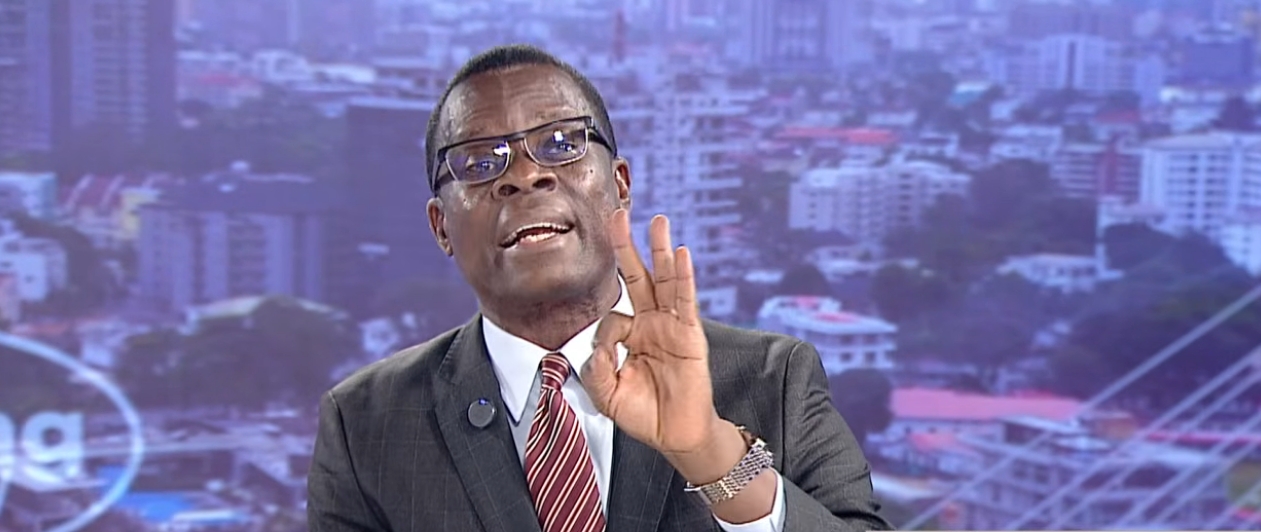
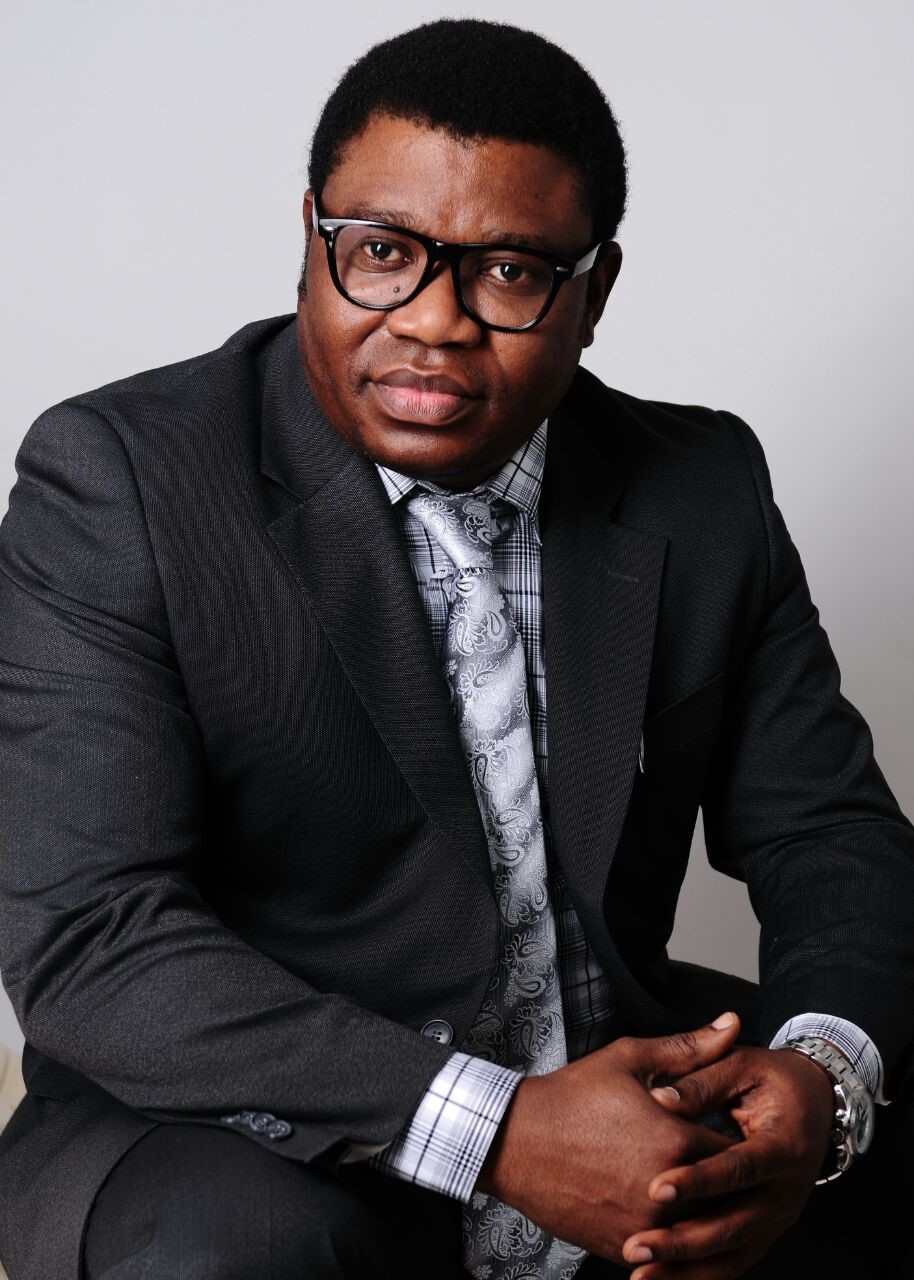
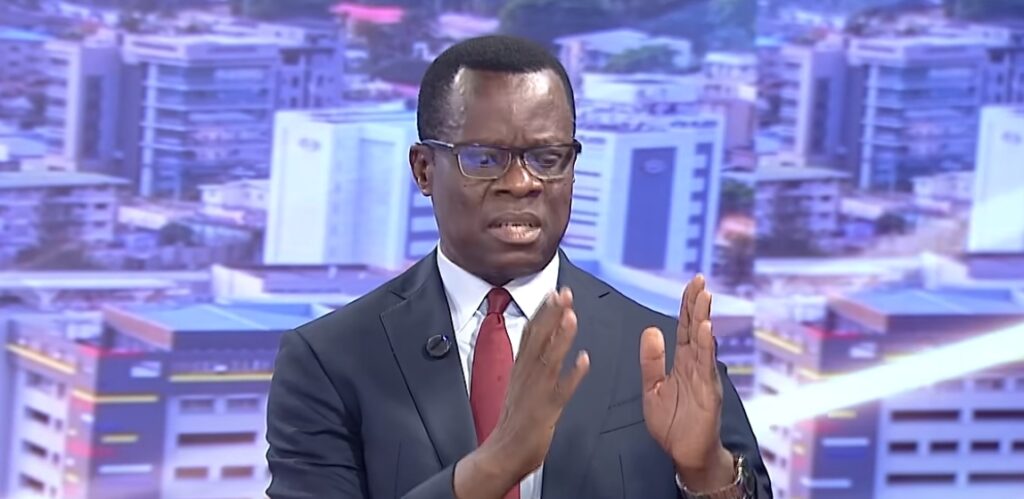
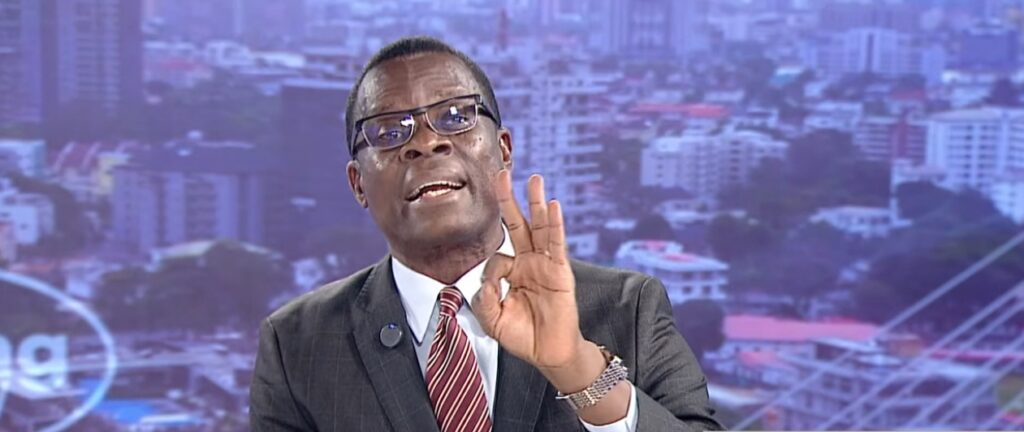
As Nigeria moves toward the 2027 general elections, one question keeps coming up: who will actually run the polls on election day? According to former INEC Resident Electoral Commissioner Mike Igini on Arise TV, the answer holds both the greatest risk and the greatest hope for Nigerian democracy.
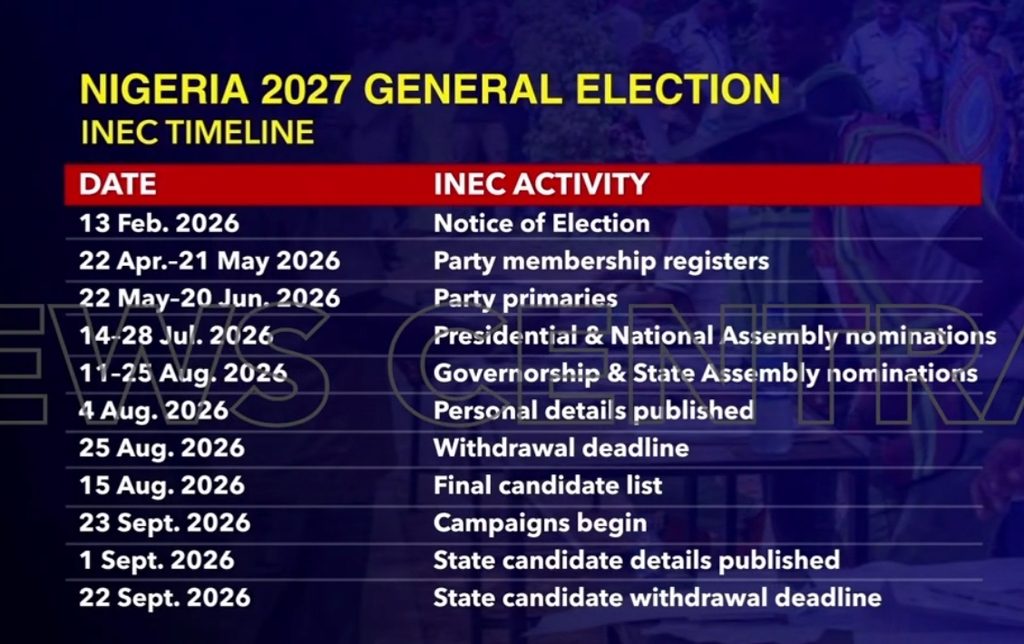
Speaking on a recent television programme, Igini gave a frank assessment of the Independent National Electoral Commission’s (INEC) preparations. He also discussed the threats he thinks could undermine the vote and what citizens, parents, parties, and the media can do about them.
INEC Says It Is Ready
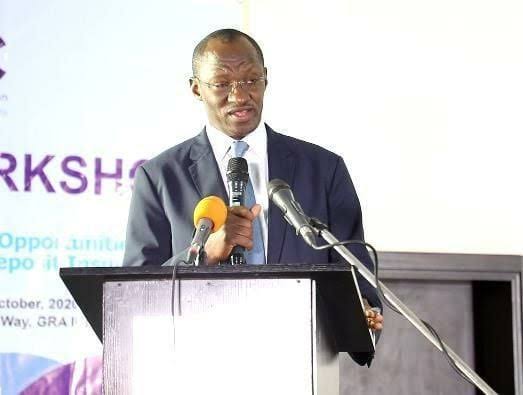
Professor Joash Amupitan, the INEC Chairman, provided fresh assurances following the discussion. He assured ad hoc staff of improved welfare and remuneration, emphasising the commission’s commitment to conducting free, fair, and credible polls.
According to the chairman, the production of 57,000 new Bimodal Voter Accreditation System (BVAS) devices, along with additional voting cubicles and ballot boxes, has reached an advanced stage. He stated that they are upgrading critical ICT applications and that some states have already begun receiving non-sensitive materials. Printing of ballot papers and result sheets is nearly complete, he added, and arrangements are in place to avoid technological glitches.
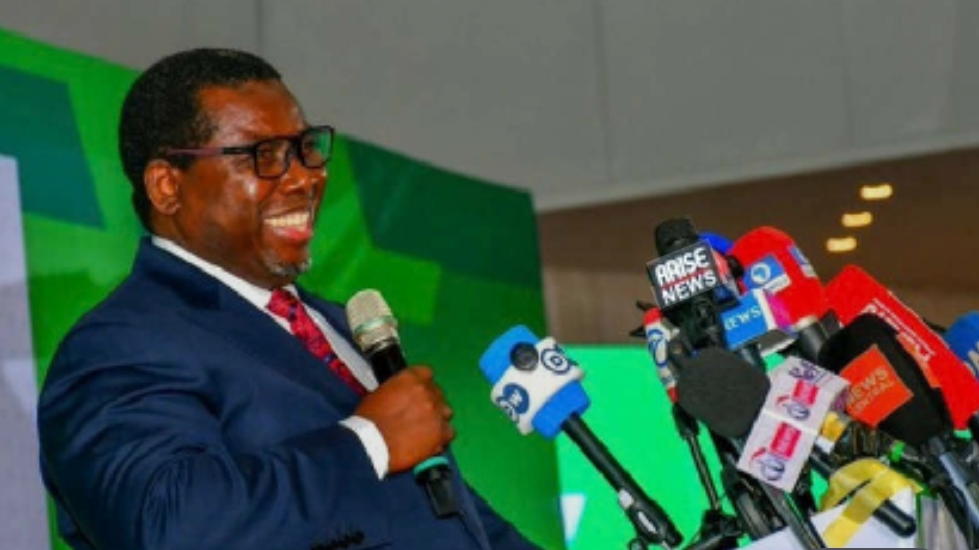
Igini welcomed the openness but argued that the real test lies elsewhere.
“Democracy Lives and Dies With the Ballot”
Igini opened with a stark warning: if votes do not count, an election becomes “a mere ritual.” He said the conduct of key stakeholders before polling day shapes the outcome, with consequences for national security, stability and the sustainability of democracy.
He also expressed deep concern that Nigeria is drifting from the rule of law toward what he called “the rule of men.” He cited Sections 95 and 97 of the Electoral Act 2026, which, as he described them,
- Require the police to ensure candidates, parties and aspirants can campaign and hold processions without obstruction.
- Prohibit threats of violence or compulsion against anyone over their choice of party or candidate.
He called on the Inspector-General of Police and police commissioners nationwide to enforce these provisions. “The laws are no longer enforced,” he said, describing this as his greatest worry about the election.
The Real Danger: Who Conducts the Election?
Igini made a point that many Nigerians overlook. INEC’s headquarters in Abuja, its state offices, and its electoral officers do not conduct elections; it is the people who run elections on polling day. The work falls to temporary, ad hoc staff drawn from federal agencies, universities and, above all, the National Youth Service Corps (NYSC).
The most critical of these are presiding officers, and he stressed that they are mostly young men and women currently serving as corps members.
He warned the NYSC leadership: “If the lists aren’t protected, your staff will be used to compromise elections in 2027.” He said politicians have a record of infiltrating the lists at the state level, even supplying people in NYSC uniforms. Federal agencies, he added, face the same infiltration.
He called on the NYSC Director-General to guarantee the integrity of the list submitted to INEC. He also urged parents to speak to their children serving as corps members, saying the future of democracy would be “in their hands”.
Cases From His Own Experience
Igini backed his warning with two examples:
- 2019: He claimed that “mercenaries” had infiltrated a list of ad hoc staff submitted from Abuja. He mentioned that he discovered a market woman at a training hall. He halted the training until the problem was resolved.
- Rivers State, 2023: He recounted a story, which he said BBC investigators had looked into, about a man who announced election results at the Obio/Akpor collation centre while claiming to be a lecturer at a federal college of education. Igini said the college had no such person on its payroll. He also said an INEC regional spokesperson admitted that, because of time pressure, the commission had hired ad hoc officers at short notice without verifying their identities.
Continued in Part 2: what voters and parties can do, and key takeaways.