

Why the Global AI Race Is Becoming a National Security Issue
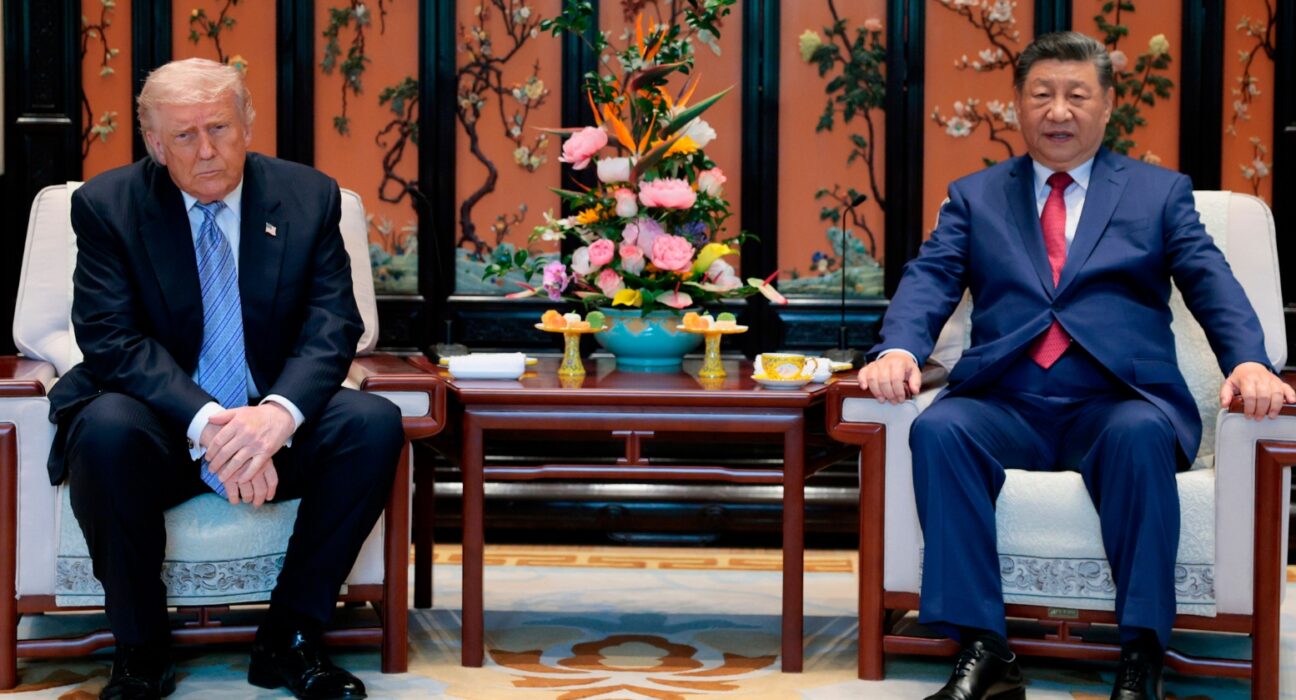
Trump: “We Are Not Going to Let Any of Our Data Centers Be Built Outside America”
US President Donald Trump has warned American technology companies that his administration will not allow them to build data centers outside the US without facing serious financial consequences. The announcement is a sign of his commitment to keep America’s burgeoning artificial intelligence (AI) industry, technological infrastructure and economic opportunities at home.
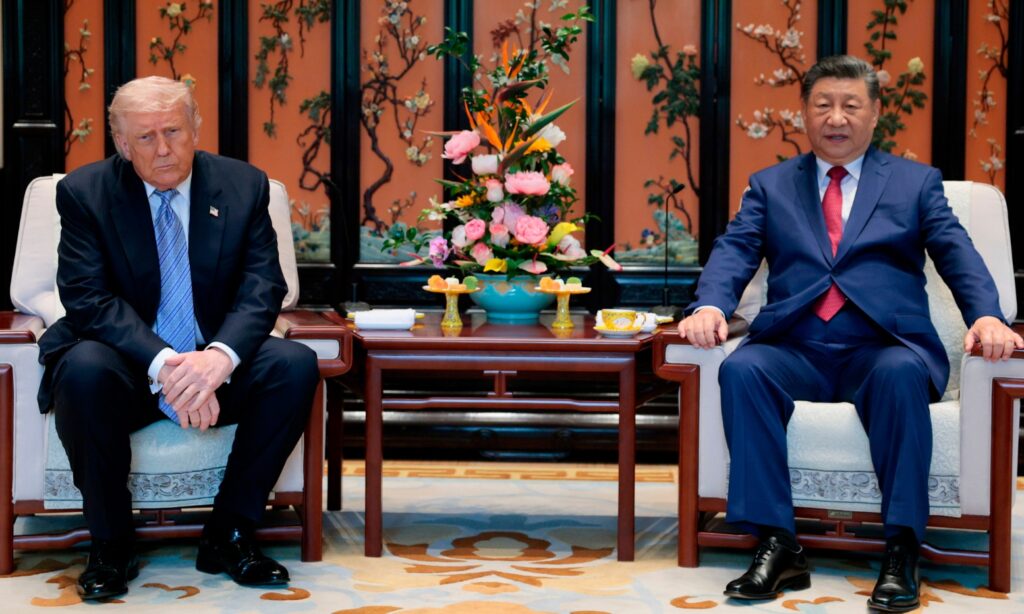
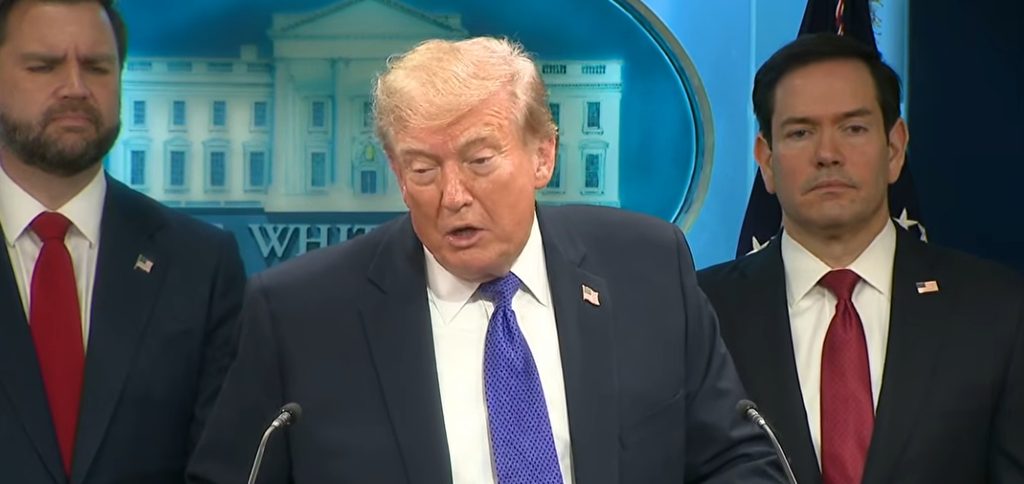
Speaking at a White House news conference after his trip to Asia, Trump said the United States must remain the leader in artificial intelligence and not allow rivals, particularly China, to get the upper hand in the fast-growing technology field.
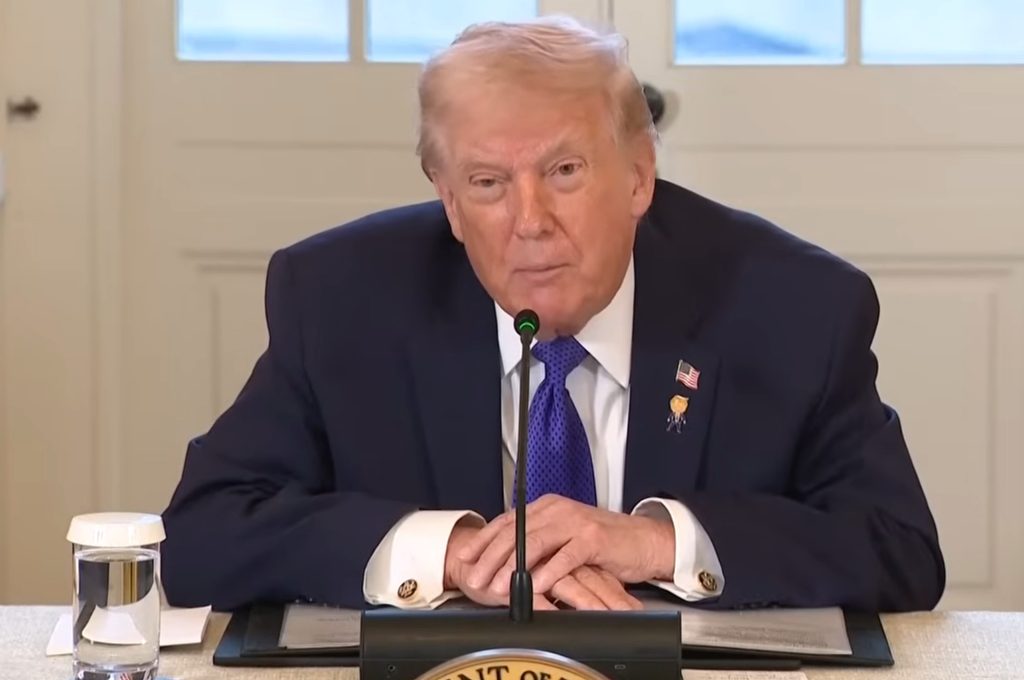
“We’re not going to let our companies build data centers outside of our country,” Trump said. He also cautioned that companies that decide to build facilities abroad may be subject to heavy taxes and penalties.
His comments represent a tougher stance on protecting America’s technological interests in an increasingly competitive global race for AI supremacy.
What Are Data Centers, Anyway?
Data centers are specialised facilities housing powerful computer systems, servers, storage equipment and networking infrastructure used to process, store and distribute massive amounts of digital information.
In simple terms, they are the physical engines behind much of the contemporary digital world. Data centers help make those activities happen when people send emails, make online payments, stream videos, use social media, store information in the cloud or interact with artificial intelligence platforms.
These facilities are essential for the digital services offered by companies like Google, Microsoft, Amazon and other big tech firms.
The Importance of Data Centers for America’s Future
Data centers are important for much more than just data storage. They are becoming vital infrastructure for economic growth, national security, scientific research and technological innovation.
Artificial intelligence needs large computing power to train sophisticated models, analyse information and provide services. US tech companies could face a challenge in the next generation of AI if there isn’t enough data center capacity.
Data centers also offer economic opportunities. Engineers, electricians, construction workers, technicians and other skilled professionals are needed to build them. They can attract billions in investment, support local businesses and produce tax revenue for communities.
“The communities that host those facilities should get the benefit of the investment, not just the added demand for electricity,” Trump said. He urged local leaders to negotiate agreements that would bring financial benefits to residents, such as support for public services and reduced electricity prices.
The National Security Risk of Building Data Centers Overseas
One of the biggest concerns with overseas data centers is national security. Data has become one of the most valuable resources in the world and the ability to control where sensitive information is stored and processed has become an important strategic issue.
Data centers located in other countries may be subject to those countries’ laws, regulatory requirements and government access powers. Companies dealing with sensitive government information, financial records, personal data and valuable commercial research have challenges.
There are also worries about cyber security. Foreign facilities may operate in a different security environment, with risk of possible surveillance and sophisticated cyberattacks. However, even if a data center is built in America, these threats do not automatically disappear; strong security precautions remain essential no matter where a facility is located.
Technological Dependence Another concern is that of technological dependence. But if America cedes too much of its computing infrastructure and investment to other countries, it might undermine its domestic technology ecosystem and open up vulnerabilities in critical supply chains.
Trump wants America to lead China
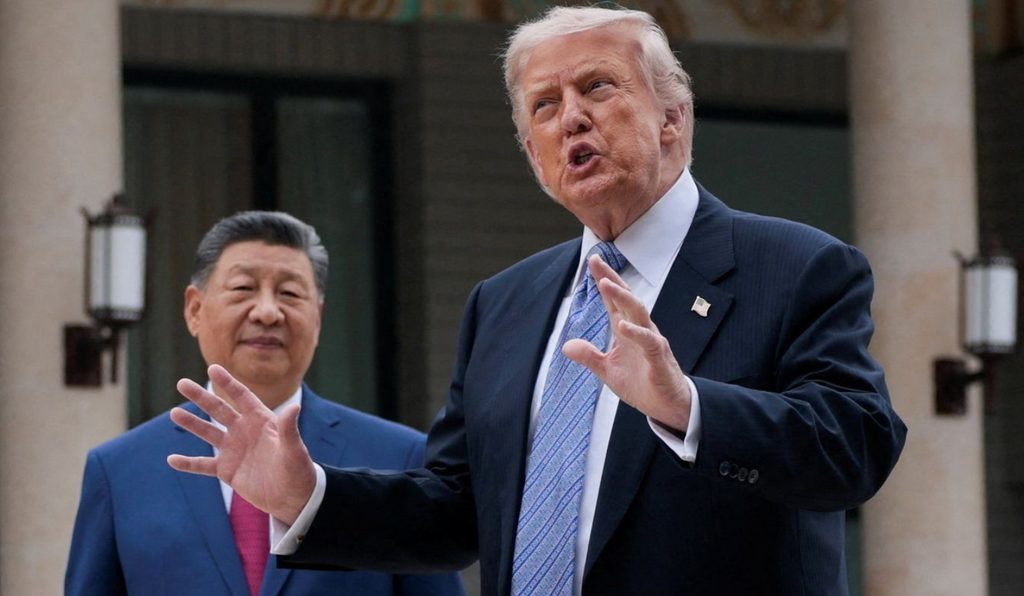
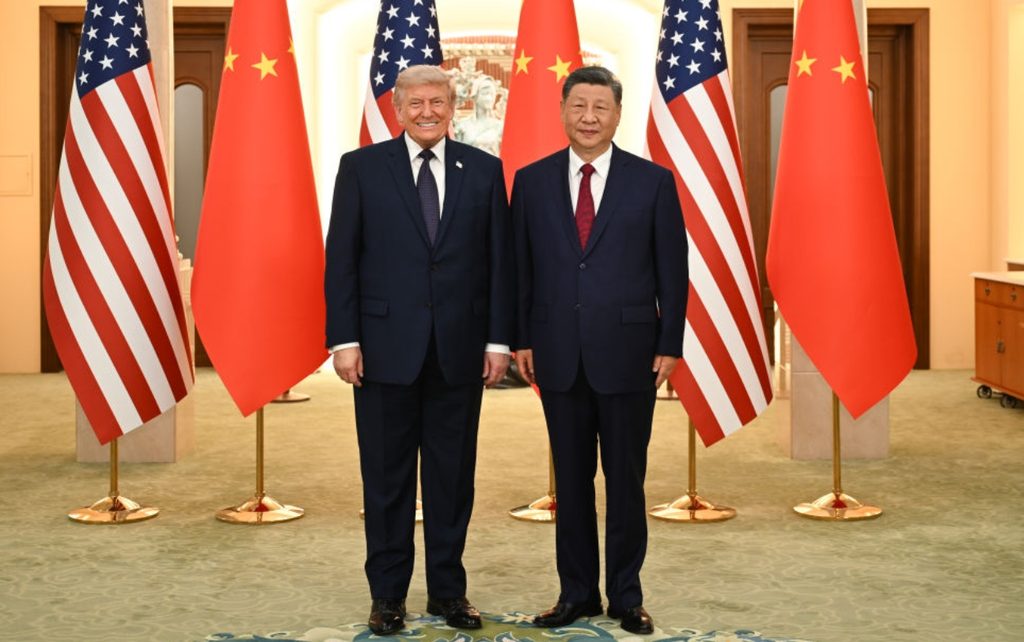
Trump repeatedly cited competition with China, calling artificial intelligence a technology that will set the future balance of global economic and technological power.
He said allowing US companies to build big data centers overseas could give other countries opportunities to build up their own technology industries at America’s expense.
The President also said there was a need for more energy infrastructure, and said communities across the United States, including Texas, California and West Virginia, could benefit by hosting new facilities.
The position of his administration is clear: America should remain the preferred destination for investment in AI infrastructure, advanced computing and the industries that will drive future economic growth.
A New Struggle for Technological Domination
Trump’s announcement could have serious implications for US tech firms, foreign investment and the future location of major data center projects.
Supporters might see the policy as a necessary step to protect American jobs, strengthen national security and maintain technological leadership. But critics may question whether threats of extra taxes on companies might deter international investment, raise operating costs or create difficulties for companies supplying customers around the world.
The argument is ultimately about more than just where computer servers are stored. It’s about who owns the infrastructure, resources and technological capabilities that will shape the global economy. As artificial intelligence continues to change the world, President Trump’s message is clear: the United States will maintain its technological edge at home and will not give valuable opportunities to international competitors. https://youtu.be/tSjINqaFdjs?si=FVXknWjAYqS5PzVp