



From Paris to Hamburg: A Restless Generation Finds Its Voice
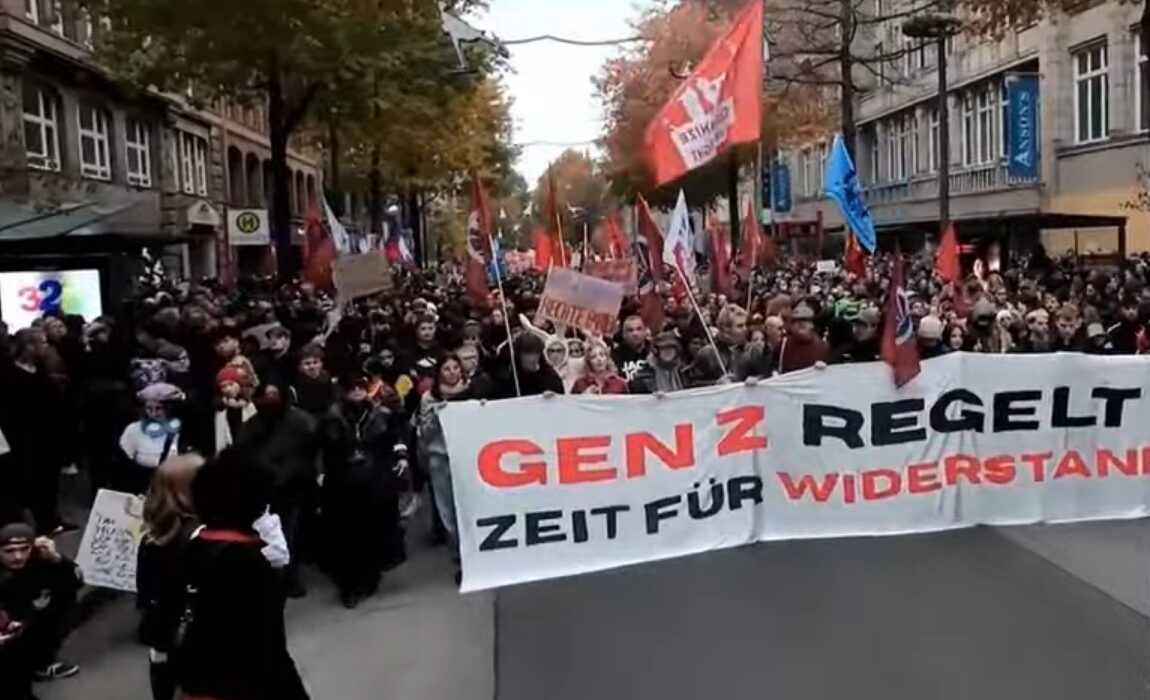
On Saturday, Hamburg’s most expensive shopfronts stood behind wooden boards. Their owners had braced for trouble, though the shops were closed anyway for Reformation Day. Outside, thousands of young people marched for something simpler: a say in their future.
Hamburg: a peaceful march, a turbulent ending
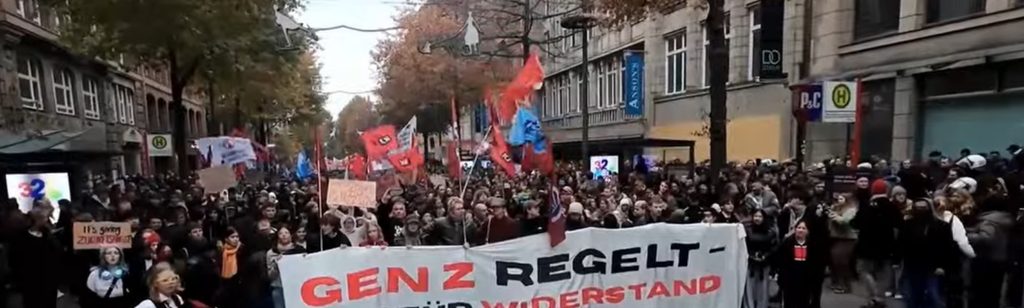
The march began at 2 p.m. under the banner “Gegen Wehrpflicht – Gen Z regelt!” (Against conscription – Gen Z sorts it out). Police counted about 6,700 people at the peak. Chants of international solidarity mixed with a sharper refrain: the rich want war, the young want a future.
Most of the afternoon was calm. Near the end, black-clad, partly masked people set off fireworks and tore construction barriers from their anchors to set them alight. Some of the marchers assisted in extinguishing the fires. Police used pepper spray and a water cannon, then ended the rally. As of Sunday morning I found no reports of arrests or injuries.
Authorities had warned that left-wing extremist groups were helping to mobilise but expected a largely smooth day. A small minority again produced the evening’s images. The thousands who came to talk about their futures were overshadowed.
Why are they protesting?
The organisers say decisions about their future are made without their voices being heard. They are demonstrating for education, healthcare, climate protection and affordable living. They are also against compulsory military service and against cuts that fall on the young.
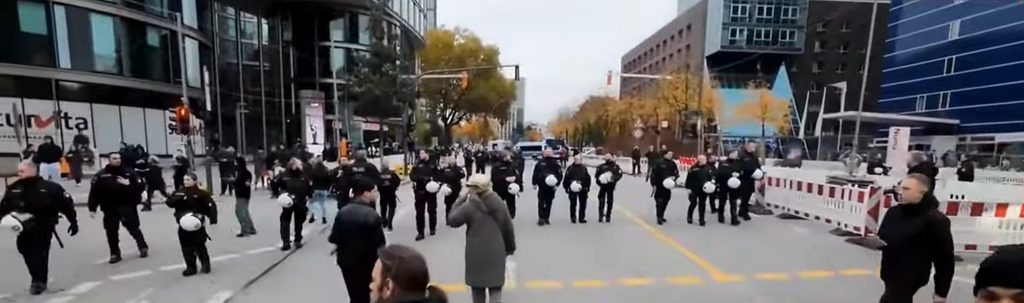
Conscription is the spark, because many young Germans fear that compulsory service will return. Behind it sit rent, teacher shortages, mental-health care and unease about a political drift to the right. The organisers insist that 31 October is only the beginning.
Berlin: calmer, but just as determined
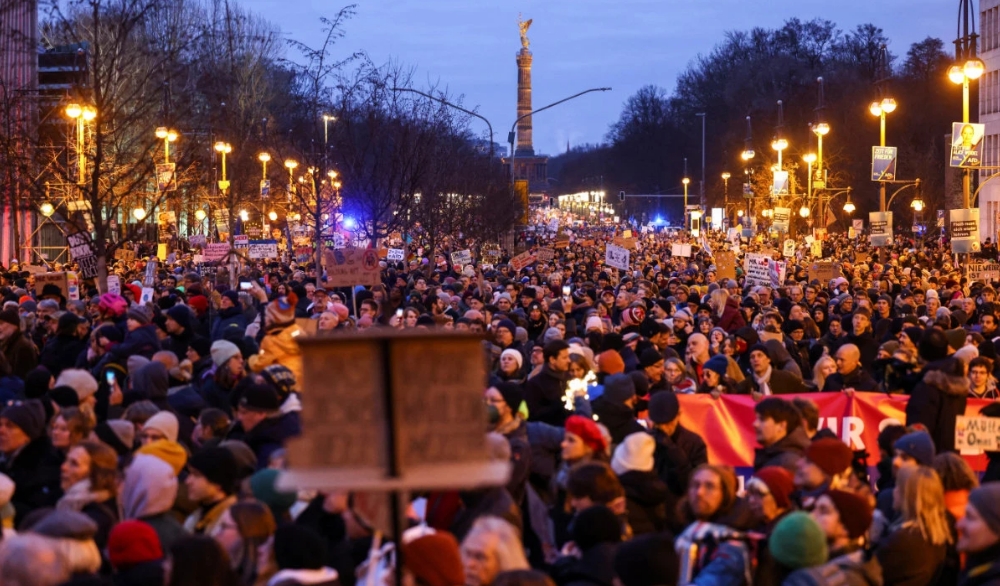
At the Brandenburg Gate, police counted about 4,200 people, against 10,000 registered. A spokesman reported no incidents. Placards raised conscription, teacher shortages, the far right and mental health, and one 18-year-old spoke of creeping militarisation. Some speakers also accused Israel of genocide, which shows how many causes shared one banner. The Federal Student Conference distanced itself, citing unclear organising structures.
Elsewhere, Cologne’s march was called off after fireworks were thrown at officers and a water cannon was used. Stuttgart’s was repeatedly halted.
Paris: where it began
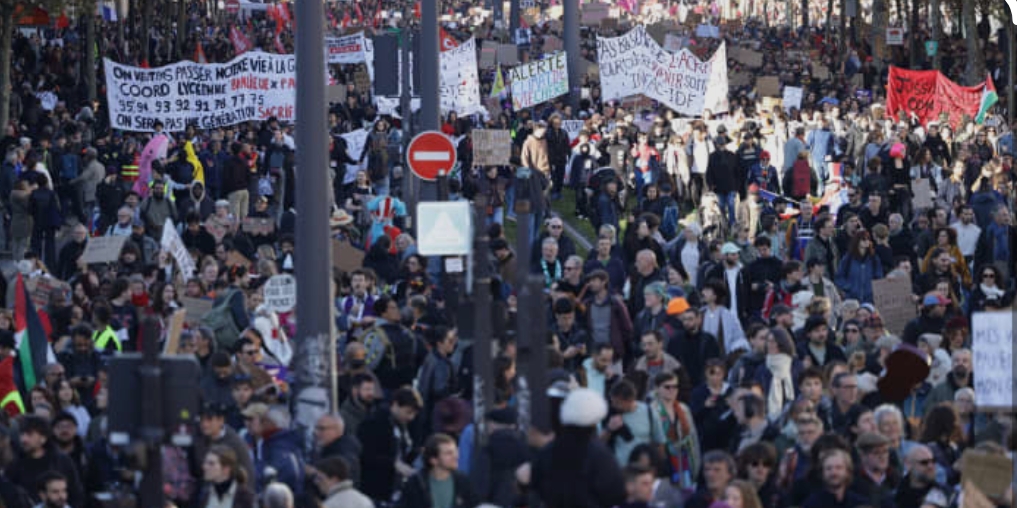
France started this wave, and the mood there is now tired rather than electric. On 24 October, 410,000 people marched nationwide, 110,000 of them in Paris. On Saturday the yellow vests called an “Act III,” centred on a rally at the National Assembly. By midday the interior ministry reported 27 arrests and about 15,000 people on the streets, far fewer than a week earlier. The real test is the nationwide strike on 5 November.
Belgium: austerity meets a young street
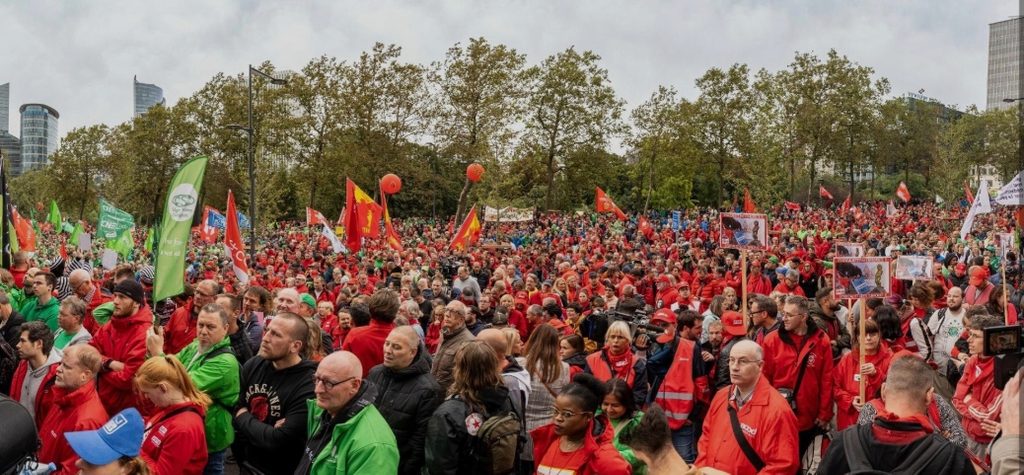
On 9 October, some 30,000 people joined a national strike in Brussels against austerity. The target is Prime Minister Bart De Wever’s plan to save €10 billion. He argues that painful cuts now will spare future generations a worse bill. Students marched alongside the unions, and clashes followed near the central station. In Liège, more than 200 arrests have been reported since the student protests began. I could not confirm any events in Belgium on Saturday.
Spain: A housing crisis with a human face
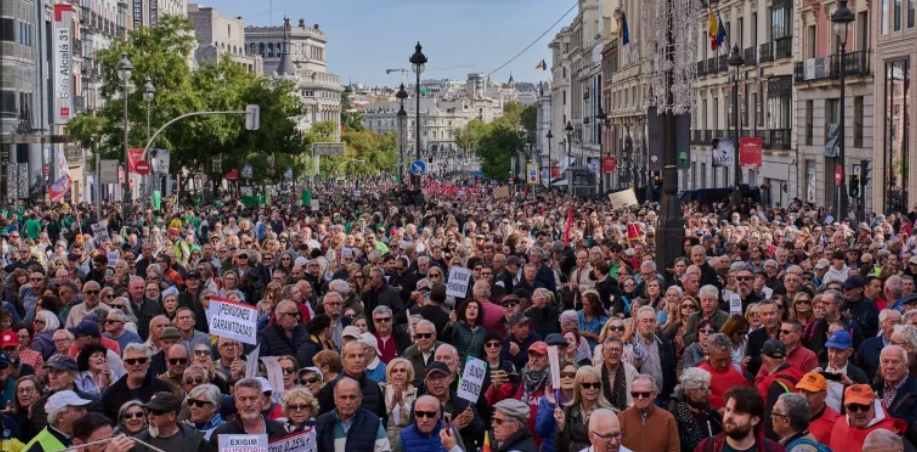
The eviction of 87-year-old Maricarmen Abascal from her Madrid home on 23 September became a symbol of Spain’s housing crisis. She died on 7 October, and a protest camp remains in the Puerta del Sol. Spain’s main unions have called a general strike for 11 November over housing and wages. The numbers explain the anger. The Bank of Spain estimates a shortage of about 550,000 homes, and subsidised rentals make up under 2% of the housing stock, compared to an EU average of 8%. I found no confirmed Spanish protests on Saturday.
A way forward?
The causes of the issue may vary, but the common complaint is that others are making decisions about the future of young people without their input. Several practical steps would help.

- Listen first. Create a standing youth council with real access to ministers. Provide a legitimate alternative to compulsion by offering well-paid voluntary service.
- Invest where the complaints are. That means teachers, affordable rents and accessible mental health care.
- Share the burden. Belgian unions propose a €21 billion adjustment that draws on large fortunes and capital income. Whatever one thinks of the plan, a deal that visibly spreads the costs would defuse much of the anger.
- Build homes faster, with stronger protection for vulnerable tenants against eviction.
The marchers’ demand is simple: take their futures seriously. How governments answer will matter more than next March.