


Police Force Train 12 African Nations on Firearms Tracing
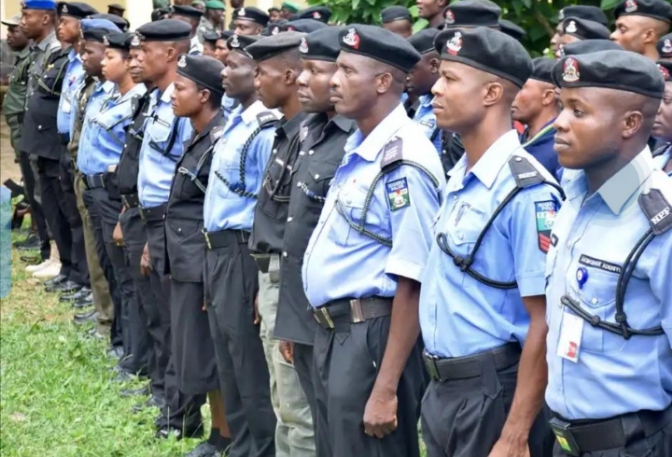
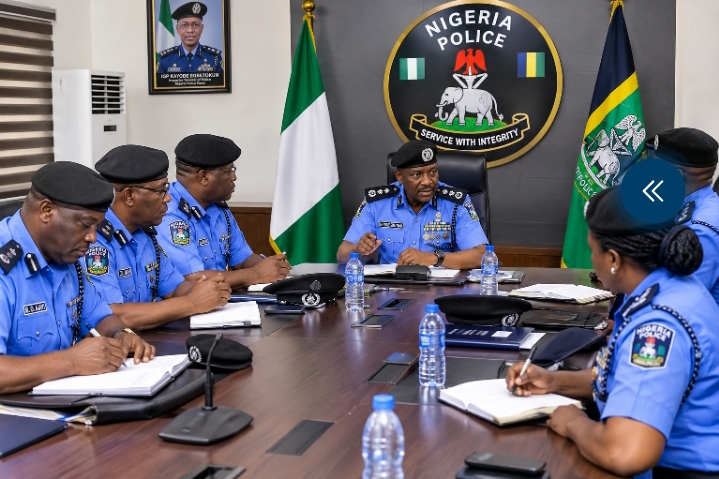
The Nigeria Police Force has launched a firearms-tracing training programme for officials from twelve African countries. The goal is to curb illegal weapons and prevent election violence ahead of Nigeria’s 2027 general elections.
What the Training Involves
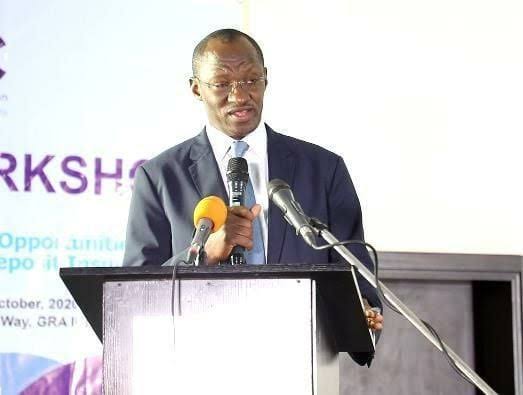
The five-day programme began in Abuja, the Federal Capital Territory, and will run until October 16, 2026. It is organised by the African Union Mechanism for Police Cooperation (AFRIPOL) and the Bonn International Centre for Conflict Studies (BICC). Relevant African Union entities and experts from the German Armed Forces Verification Centre are also involved.
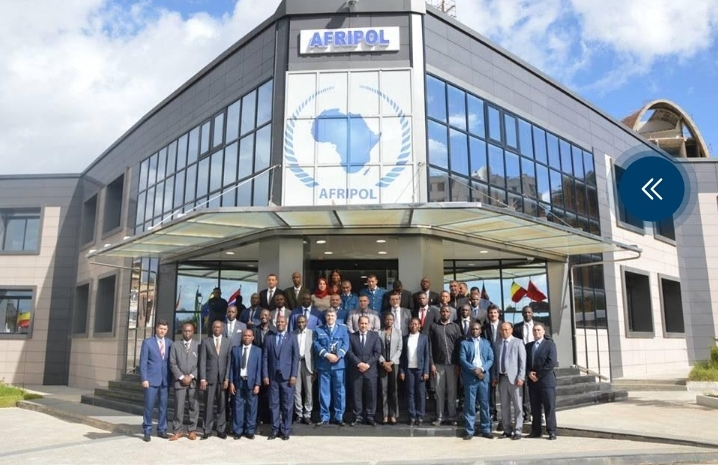
Participants will learn to identify and trace small arms, light weapons and ammunition. The course combines technical instruction with practical simulations at the Nigeria Police Simulation Centre.
Which Countries Are Taking Part?
Officials from the following twelve countries are attending: Algeria, Benin, Burkina Faso, Cameroon,
Central African Republic, Chad, Côte d’Ivoire, Libya, Mali, Niger, Nigeria, Republic of the Congo
Why Firearms Tracing Matters
Inspector-General of Police Olatunji Disu stressed the importance of restricting access to illegal weapons before the 2027 elections. He explained that effective firearms tracing helps investigators in three ways:
Identifying where illegal weapons originate, uncovering trafficking routes, and exposing the people who finance their distribution.
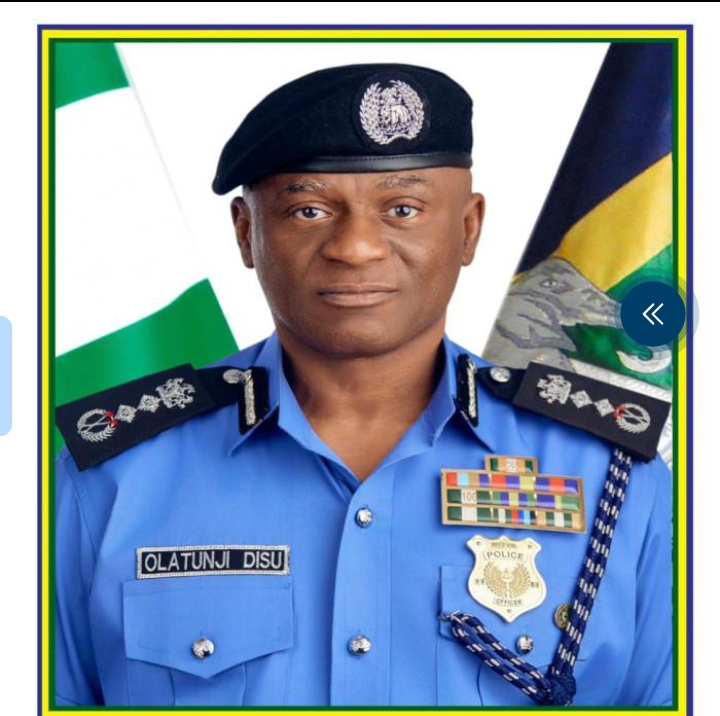
Disu also linked the spread of illicit arms to wider security threats, including terrorism, banditry, kidnapping and organised crime.
Building Regional Cooperation
The training also gives police chiefs from West and East Africa a platform to discuss shared security challenges. Disu said they are expected to explore coordinated responses to cross-border crime.
Sharing the Skills Across Nigeria
CSP Anietie Okokon Edem Iniedu, the Police Public Relations Officer, stated that officers in commands and formations across Nigeria will receive the skills gained. This should improve how officers identify and trace recovered firearms.
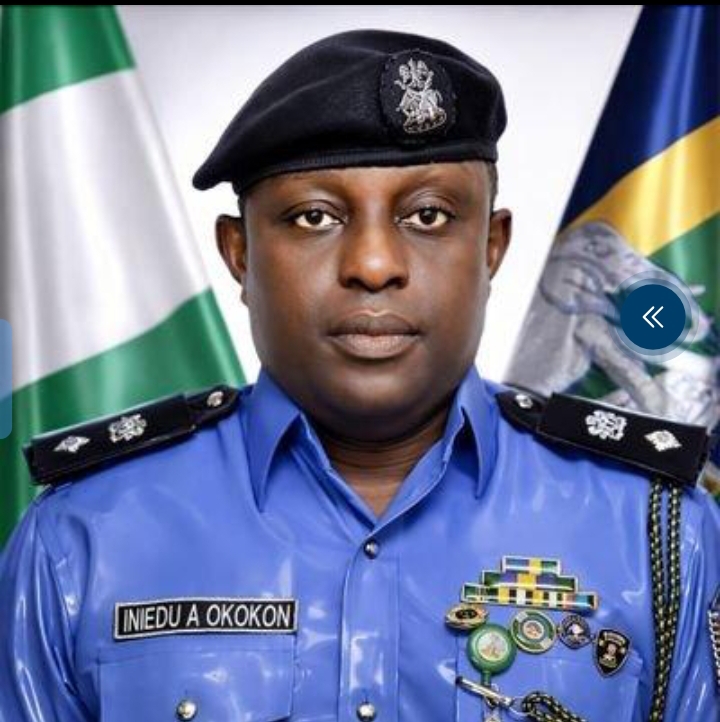
He urged participants to apply what they learn in their home countries and to sustain professional cooperation in the fight against illicit arms trafficking.