



Israeli Defence Minister Says 4,000 of 6,000 Attackers From Oct. 7 Have Been Killed, as Israel Marks Third Anniversary

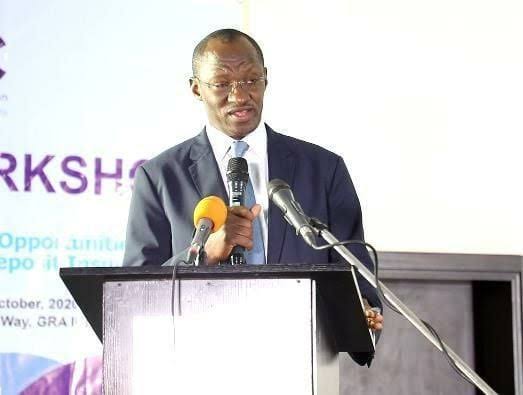
Israel marked three years since the October 7, 2023, attack on Monday, lowering flags to half-staff for its National Remembrance Day. The day is observed according to the Hebrew calendar. That same day, Defence Minister Israel Katz made a claim about the attackers.

Katz confirms 4,000 killed in Israeli operations
According to CBN News’s Jerusalem Dateline on October 6, Katz said Israel had killed about 4,000 of the roughly 6,000 people who crossed into Israel on October 7. He said Israel intends to “eliminate” the remaining 2,000. The report did not say how the figures were calculated, and nothing in it independently confirms them. They should be read as the Israeli government’s own account.
Why the figure matters
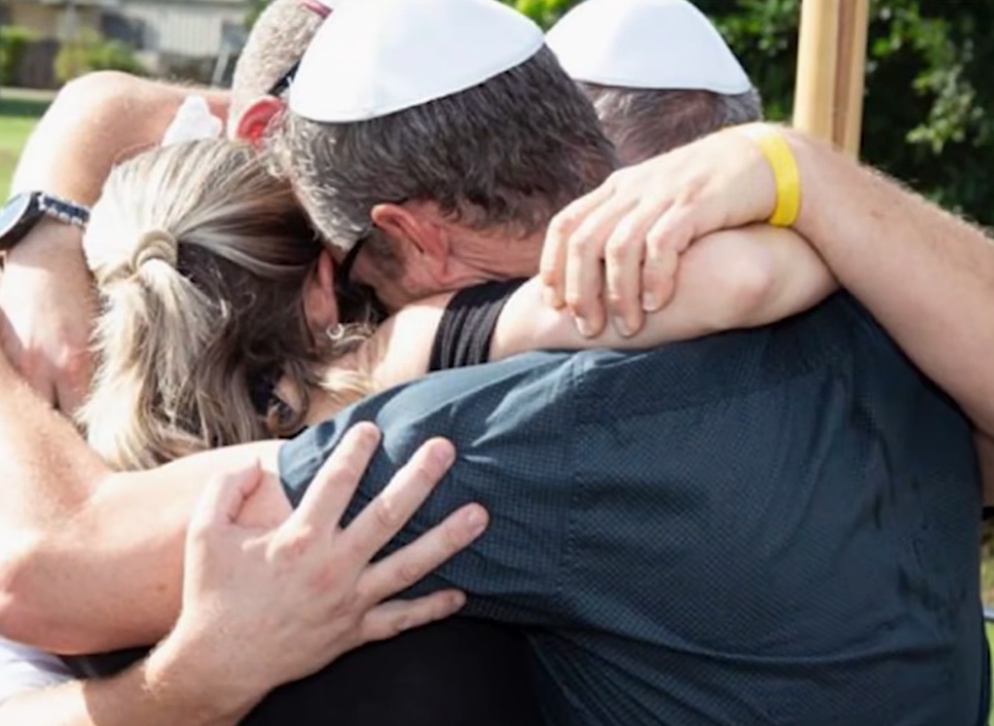
The statement came at a ceremony in Jerusalem. The report states that the attack resulted in the deaths of approximately 1,200 people, with 251 others taken hostage. President Isaac Herzog called for a full investigation into the security failures that allowed it. Prime Minister Benjamin Netanyahu said anyone involved in the attack or in holding hostages is “living on borrowed time” and that Israel would “reach” them. Katz’s remarks fit that promise to pursue everyone responsible.
A war that has not ended
Israel has been at war since the attack, and CBN hosts described it as a conflict on multiple fronts. In studio commentary, the hosts said Iran’s Revolutionary Guard has funded Hamas and Hezbollah, and they described the attackers as Iranian-backed and Qatari-funded. Those are the commentators’ characterisations.
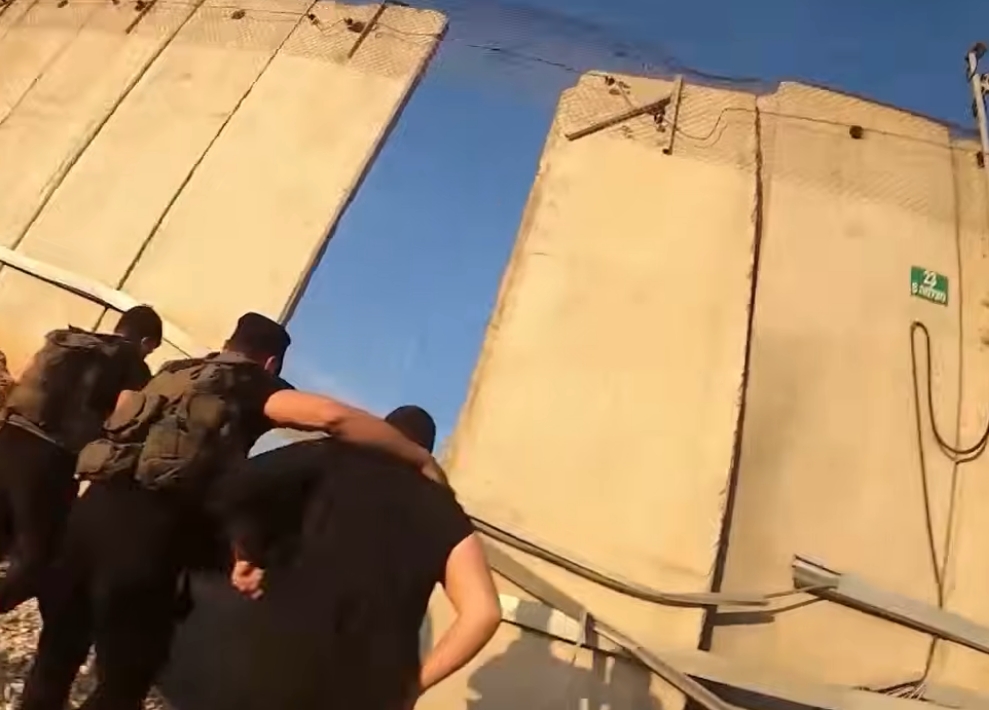
The regional tension also showed up elsewhere in the broadcast. CBN cited a Wall Street Journal report that the U.S. moved a dozen B-1 bombers from a British air base because of a credible threat of an Iranian drone attack, a threat reportedly linked to Iran’s Revolutionary Guard. The report also said thousands of Christians planned to gather at Jerusalem’s Western Wall for a prayer event organised by Mike Evans. The programme also discussed a recent aviation security scare involving a pilot.
Rebuilding in the south
Eshkol region, which includes 32 kibbutzim and the site of the Nova Music Festival. The regional mayor reported that Eshkol’s 17,000 residents suffered 259 fatalities and 119 kidnappings.

At Kibbutz Be’eri, about three miles from the Gaza border, more than 100 people were killed and over 30 were kidnapped. About 120 new homes are now under construction. Residents interviewed said that estimates suggest about 90% of survivors will eventually return, though not everyone will. Be’eri turned 80 this week. Among its best-known residents is Eli Sharabi, who spent 491 days in captivity. He was released in February 2025 and then learned that his wife and two daughters had been killed on October 7. His brother, Yossi, was also killed. Sharabi has since written a book about his captivity and says he is choosing not to let grief consume him
The human toll
Three years on, the numbers describe only part of the loss. Families are still mourning, many survivors live with trauma, and communities are choosing whether to rebuild where so many died. Counselling programmes, art and music initiatives, and new homes on the Gaza border are all part of the recovery that continues alongside the war.