


Why Political Parties Must Have Alternative Results to Challenge INEC
Political parties must have alternative results if they want to challenge an election outcome with evidence rather than outrage. That is the message from Dr. Olisa Agbakoba, SAN, who argues that parties cannot keep waiting for the Independent National Electoral Commission (INEC) to hand them the proof they need. With the 2027 elections approaching, the argument deserves a careful, balanced look.
Why Agbakoba Says Parties Cannot Rely on INEC Alone
Agbakoba said in an interview that “political parties have been very lazy,” pointing to the habit of asking courts to compel INEC to release results. In his view, parties should already hold their own records of what happened at polling units.
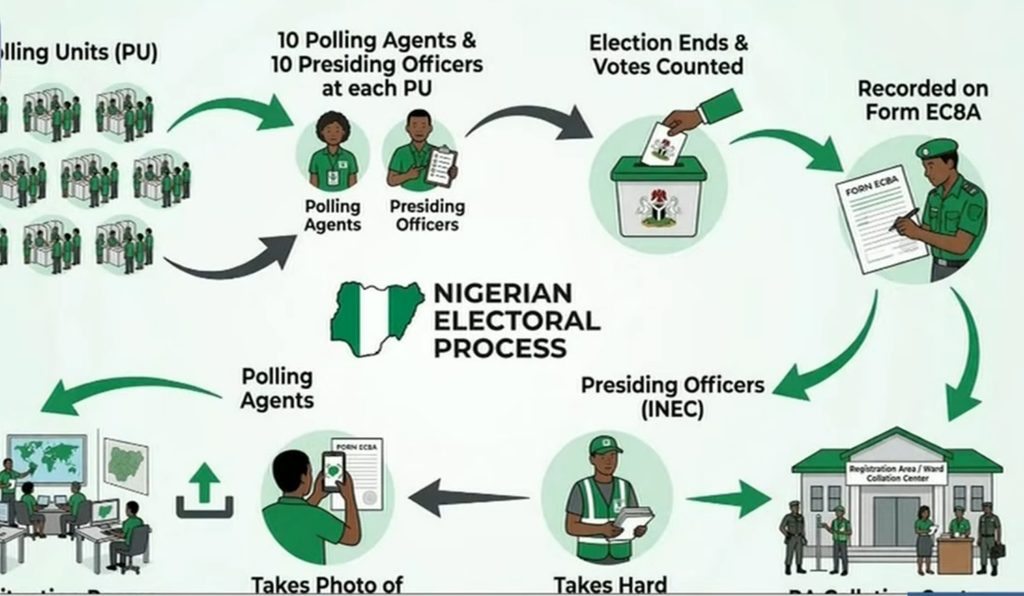
He also said parties with proper structures across the country should be able to authenticate results within hours. Publishing credible figures drawn from the same INEC source, he suggested, would signal that someone is watching.
These are his opinions, but they raise a fair question about preparedness ahead of the 2027 elections.
The Power to Declare Versus the Right to Report
Agbakoba draws a sharp line. INEC alone has the legal power to declare winners. But results announced publicly at polling units, he argues, are not secret, and anyone may gather and publish them.
He described this as a doctrinal confusion: declaring results is INEC’s job, while sourcing authentic results from the process, from the polling-unit EC8A forms up to the national collation, is something others can do. Whether courts will give such compilations weight is a separate matter.
Polling-Unit Results and the Role of Agents
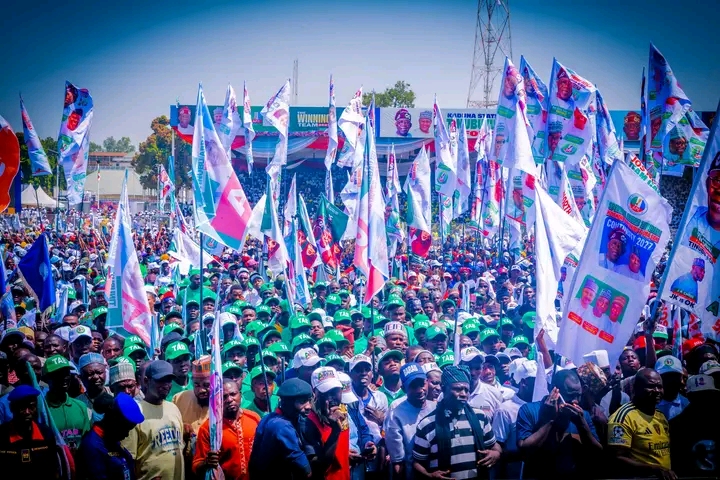
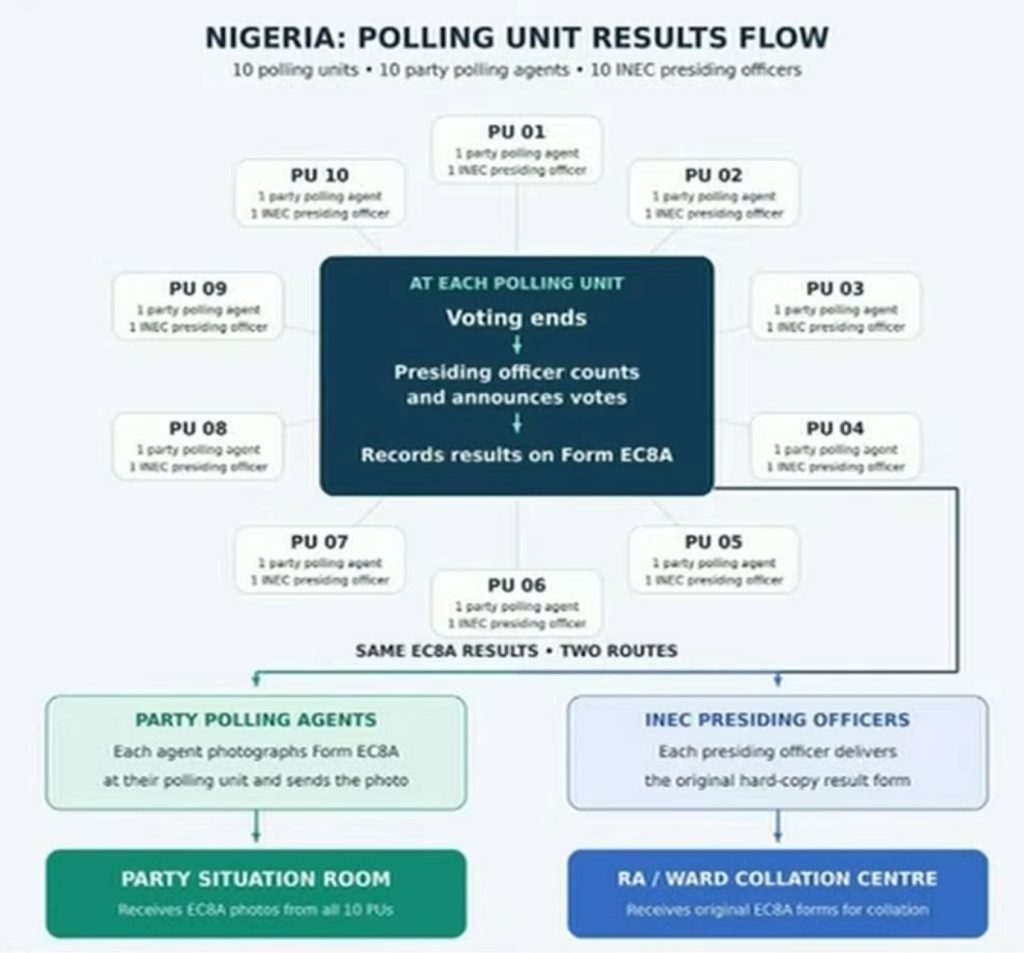
Everything starts at the polling unit. A trained agent who collects a signed result sheet, photographs it and stores it safely holds the most basic evidence an election produces.
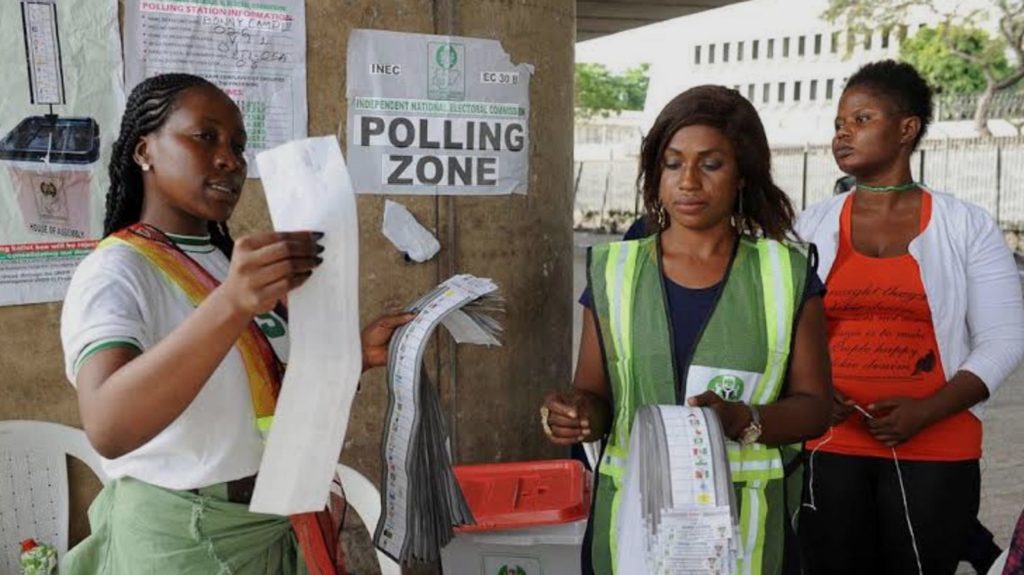
Strong polling-unit results are only useful if they are authentic and traceable. That means enough agents to cover units, clear training, and a chain of custody that survives scrutiny. A party that cannot field agents widely will struggle to compare its figures with anything declared later.
IReV, Technology and Artificial Intelligence
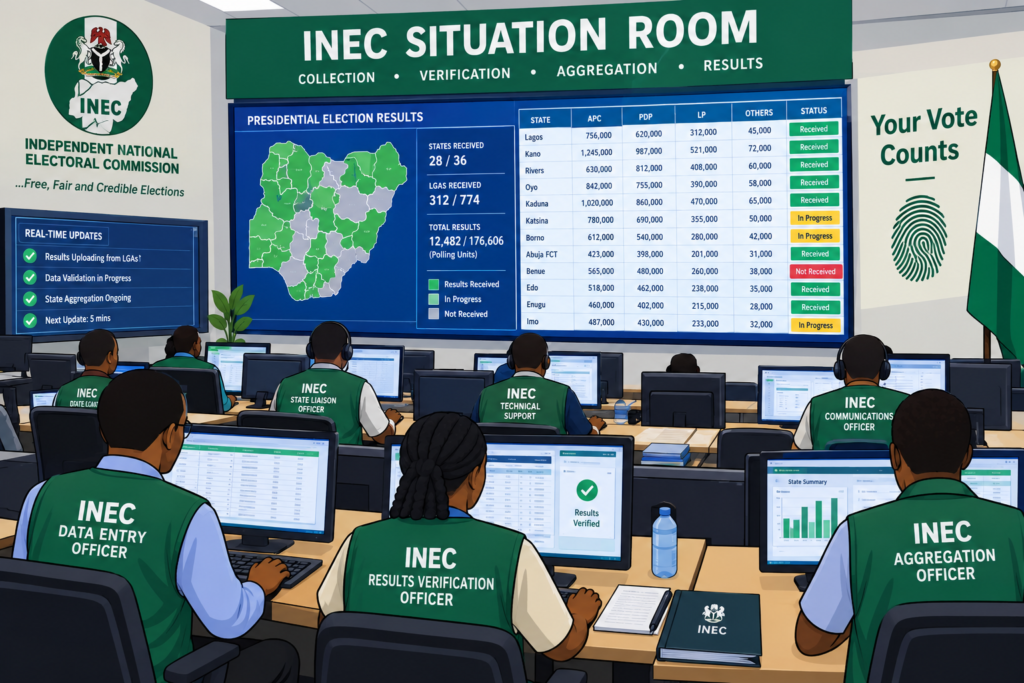
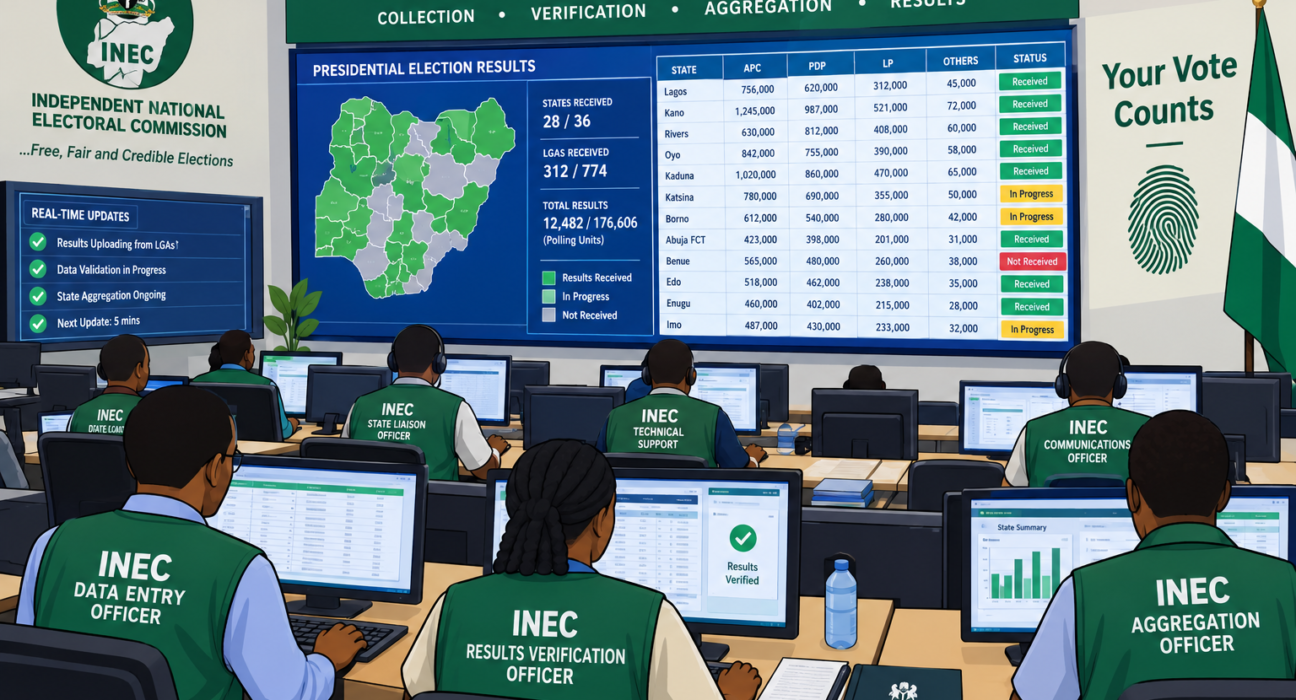
The INEC Result Viewing (IReV) portal publishes polling-unit result sheets for public viewing. Agbakoba described it as a compilation of results coming from polling units, and predicted that parties will build artificial intelligence tools to pull and compare that data.
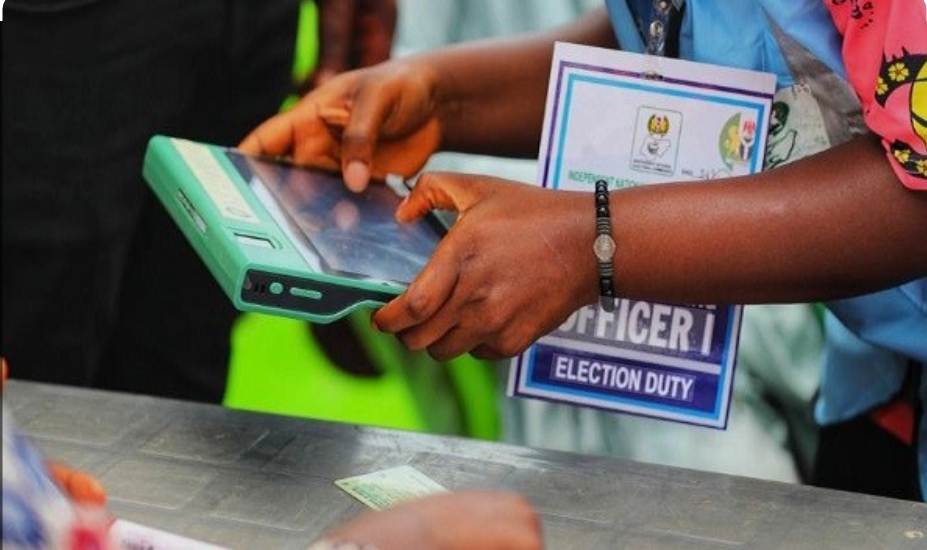
The logic is simple. If a party’s agents hold signed sheets, and the portal shows uploaded copies, any mismatch becomes visible. Technology cannot prove misconduct on its own, but it can show where investigators should look first. Electoral transparency improves when comparison is quick, cheap and open to everyone.
Igini’s Concerns About the 2026 Electoral Act
Former INEC commissioner Mike Igini raised separate concerns on Arise News in July 2026. These are his claims, and none has been tested in court.

He described Section 63 as a foundation-level threat to credible elections, saying it lets a ballot paper without INEC’s official security mark be counted. News Central TV, which reported on his comments, quoted the provision as referring to a returning officer who is satisfied that the paper came from an issued ballot book.
Igini also argued that Section 138 weakens accountability by effectively excusing breaches of INEC guidelines, and that Section 137 shields electoral officials from scrutiny. He urged the National Assembly and INEC to amend the provisions. The ADC publicly backed him. Readers should consult the Act itself, as interpretations may differ and the court may decide differently.
Alternative Results and Election Petitions
Agbakoba also backed the view that IReV results should be admissible in election petitions, and he noted the presumption of regularity that favours official acts in disputes. His point is that parties holding verifiable records are better placed to rebut it.
Caution matters here. Admissibility, authenticity and weight are questions for the tribunal and the law, not for commentators. Alternative results can support a petition and help expose inconsistencies, but they do not guarantee success. Properly preserved documents simply give lawyers something concrete to work with in court.
What Parties Should Do Before 2027
Preparation is the lesson running through all these arguments. Parties should:
- recruit and train agents early, with coverage across polling units;
- insist on signed, legible result sheets and secure storage;
- monitor collation openly and report discrepancies promptly;
- follow electoral law, so their own evidence is not undermined;
- support judicial independence, since evidence matters only before fair courts.
Conclusion
Credible elections depend on more than a good declaration at the end. They depend on records that citizens, parties and courts can check. Agbakoba’s central claim is that political parties must have alternative results, because depending only on INEC leaves them exposed when outcomes are disputed. Whether or not every legal point he and Igini raise survives scrutiny, the practical lesson is hard to ignore: start early, document carefully, preserve everything and play by the rules.