

INEC Turns to Artificial Intelligence to Protect the 2027 Elections
Nigeria’s electoral commission says artificial intelligence will help make the 2027 general elections fairer and more credible. With the vote now under three months away, the question is whether the technology and the commission can earn back the public’s trust.
What INEC has announced
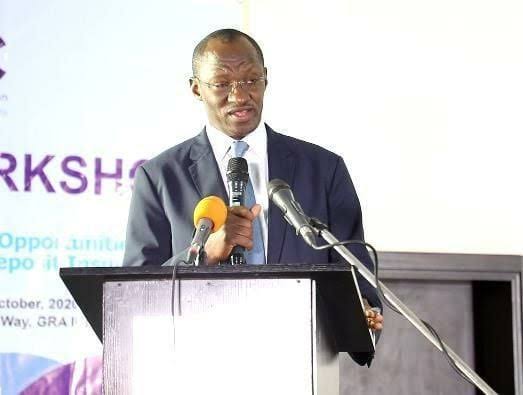
The Independent National Electoral Commission (INEC) has said it is already using AI tools in its results management process. The tools are meant to flag discrepancies and administrative errors before results are finally verified. The announcement came on September 24, 2026, at the All Nigeria Editors Conference in Enugu. Chairman Prof. Joash Amupitan was represented there by the Resident Electoral Commissioner for Enugu State, Dr Chukwuemeka Chukwu.
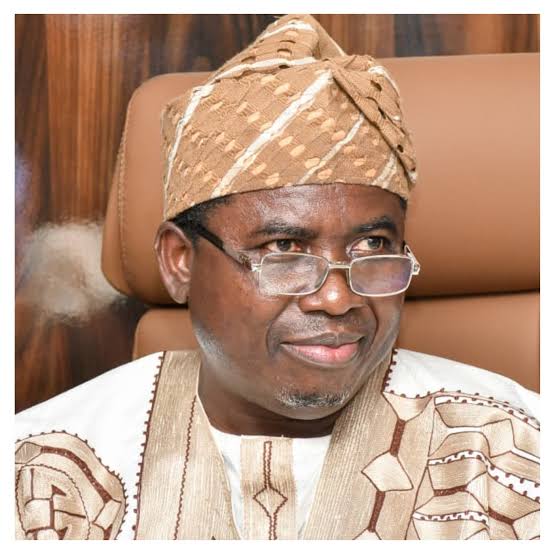
The commission has also set up a dedicated AI unit within its ICT department. Amupitan has described an AI roadmap and governance framework built on human oversight, transparency, accountability, data protection, cybersecurity and public trust. At a forum with Yiaga Africa, he promised that algorithms will not decide the elections. According to him, the unit has real-time monitoring tools, deepfake detection software and data analytics expertise to track threats to the process.
The threat INEC is guarding against
The commission says the same technology can be turned against the process. It warns that generative AI can produce the following within minutes: Cloned voices of electoral officials, Fake result sheets, Forged official documents, and Fabricated videos.
INEC argues that such material could confuse voters and erode confidence in the outcome. For that reason, it has asked newsrooms to strengthen fact-checking. It has also urged them not to publish or amplify privately collated results, stressing that only INEC has the legal authority to declare them. Amupitan has proposed an Electoral Information Integrity Coalition that would bring together: INEC, Civil society groups, The Nigerian Guild of Editors, The Nigeria Fact-Checking Coalition, Media houses, and Telecom operators. The coalition would work as an early-warning network against viral falsehoods.
Key dates and preparations
Election dates: After the new Electoral Act was enacted, INEC moved the presidential and National Assembly elections to Saturday, January 16, 2027. Governorship and State Houses of Assembly elections follow on February 6, 2027.
Technology in law: The electoral law now formally recognises the Bimodal Voter Accreditation System (BVAS) and the INEC Result Viewing Portal (IReV). Electronic transmission of polling unit results is now mandatory.
New equipment: INEC says it has acquired 57,000 new BVAS devices. They have undergone software hardening, battery optimisation and biometric calibration.
Voter register: The register has passed 103 million voters. Permanent voter card collection began nationwide on October 9, 2026.
Testing: INEC has said it will carry out a comprehensive audit of its technology and a nationwide mock accreditation exercise in November 2026. It has also mentioned a possible mock presidential election.
Staffing and cost: The commission plans to deploy about 1.4 million ad-hoc staff across more than 176,000 polling units. It estimates the elections will cost roughly ₦873 billion.
Concerns from opposition parties and observers
Opposition parties have raised fears that AI could be manipulated during the polls. They want INEC to be transparent and technically competent. That means giving voters prompt, verifiable information and clear channels for telling genuine announcements and results from sophisticated fakes.
They also want the tools tested against hacking, data manipulation and unauthorised access. Any weaknesses should be found and fixed well before election day.
The 2023 shadow
Many Nigerians still remember the 2023 presidential election. Results failed to upload to the IReV portal as expected, which fuelled doubts about transparency. INEC says its technology audit and mock exercises respond directly to those concerns.

As the January vote approaches, voters are watching to see whether the new tools perform better than before. The commission has made significant promises, and it will now face scrutiny regarding its delivery.