

Nigeria Confirms Ebola Case in Abuja as Authorities Tighten Border Security
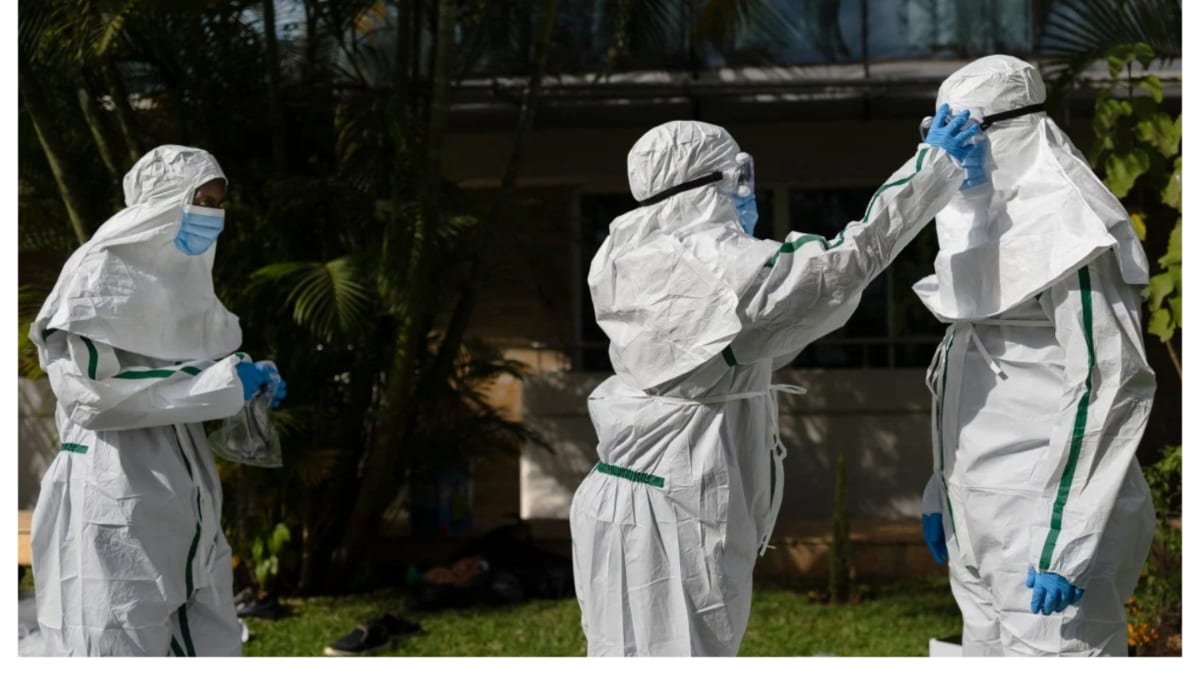
Nigeria’s Federal Ministry of Health has confirmed one case of Ebola virus disease in Abuja, the Federal Capital Territory. A Ugandan national who arrived in the country on October 20 is the patient, and health authorities announced the case on October 24, 2026.
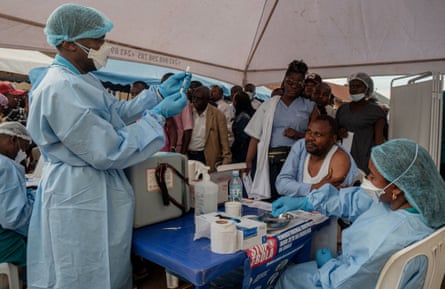
Health officials have traced 44 people who may have come into contact with the patient. Some have tested negative, and others are still waiting for their results.
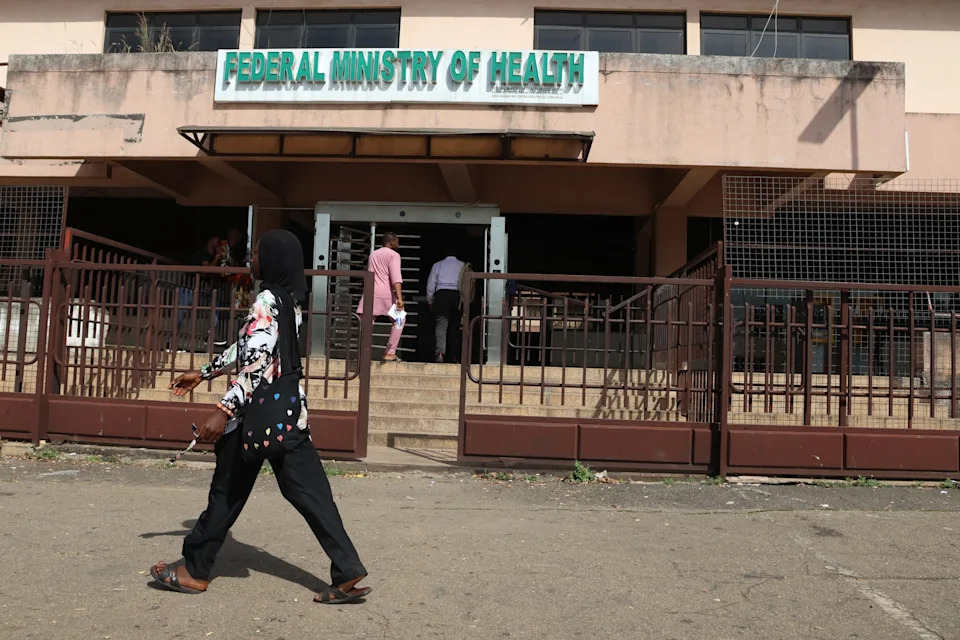
Security tightened at entry points
Following the confirmation, the federal government stepped up security checks at all accessible entry points into the country.
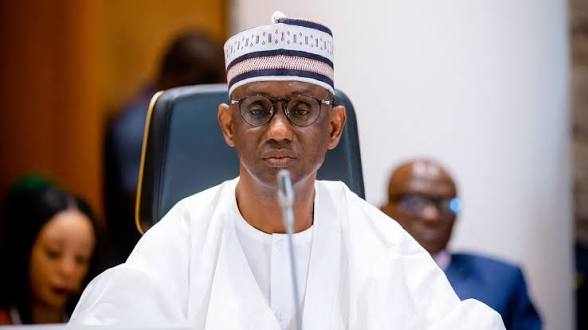
The National Security Adviser, Mallam Nuhu Ribadu, raised concerns about failures to comply with the approved Ebola entry protocols, prompting the directive. Public anxiety has grown since the case was confirmed.
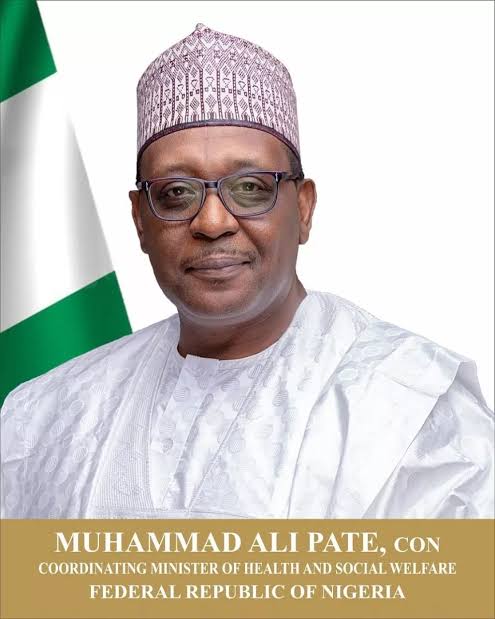
The Federal Ministry of Health and Social Welfare has also instructed relevant agencies to document and report any actual or attempted breaches of the protocols, according to Punch newspaper.
Uganda says the traveller showed no symptoms
The Ugandan government has said that the patient showed no signs or symptoms of illness before leaving the country.
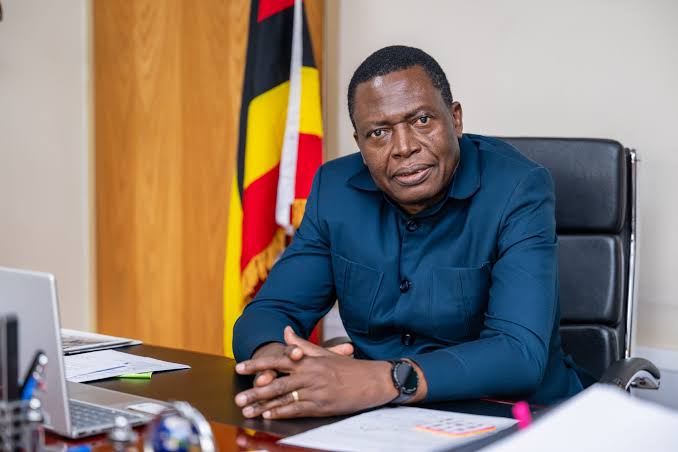
Prof. Charles Olaro, Director General of Health Services, said investigations are underway to establish when the traveller first developed symptoms and how the infection occurred.
WHO begins Ebola vaccine trial in DR Congo
In the Democratic Republic of Congo, the World Health Organization (WHO) has launched emergency response efforts alongside the government, local health authorities and international partners. The aim is to strengthen disease surveillance and help contain the outbreak. The WHO says that identifying cases early allows health workers to respond faster.
Nigeria’s previous experience with Ebola
Nigeria has faced Ebola before. According to published records, the virus first entered the country on July 20, 2014, through Patrick Sawyer, a Liberian-American. He died in a Lagos hospital on July 25, 2014.
The disease then spread quickly to others who had been in contact with him. In total, Nigeria recorded 20 confirmed cases and 8 deaths. On October 20, 2014, the WHO formally declared Nigeria Ebola-free.