


Britain: Isreal Occupation In West Bank Is Unlawful
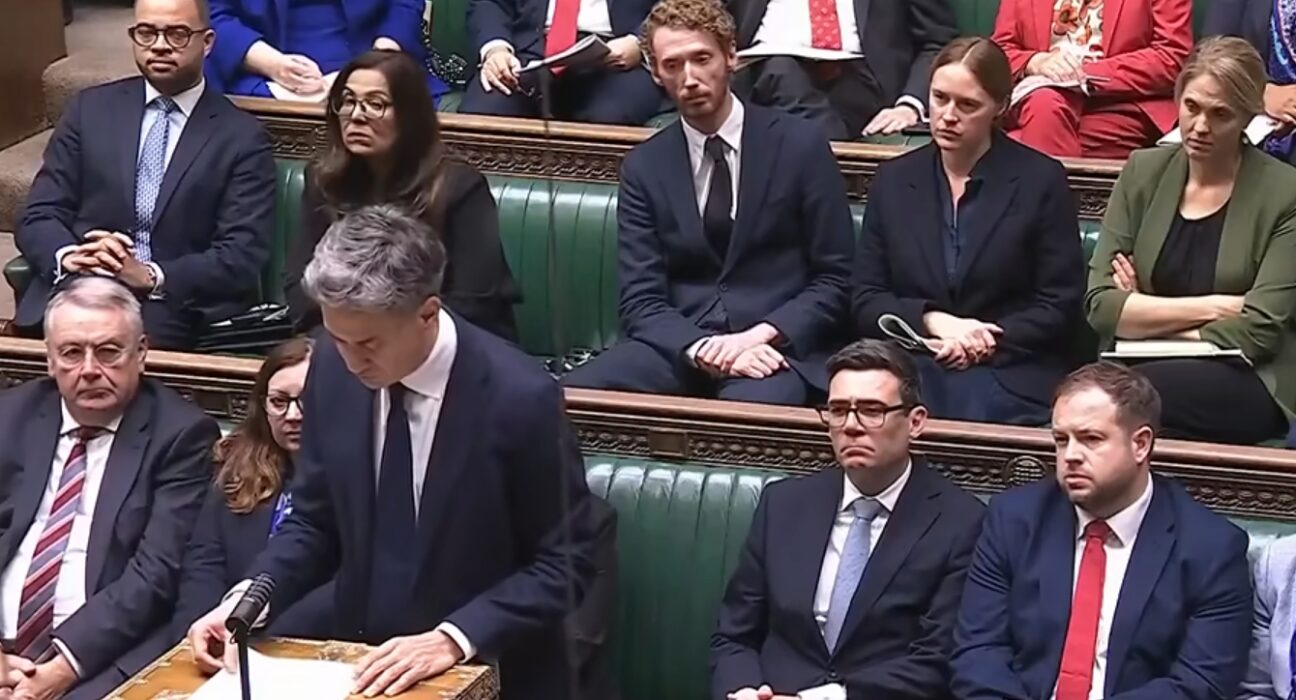
Ed Miliband rose in the House of Commons and did something no British government has formally done before: he declared that Israel’s occupation of the West Bank is unlawful. Within hours, the reaction from Jerusalem had moved from diplomatic complaint to open scorn, with one Israeli spokesman predicting that Britain would end up “irrelevant” in the Middle East altogether.
Britain Bans Settlement Goods as Israel Reacts With Fury

The foreign secretary told MPs that the British government now regards the occupation as unlawful because of what he called Israel’s “entrenchment of its control,” its intention to extend permanent sovereignty, and an “expansionist agenda via illegal settlements.” He went further, saying the government believes there is “ethnic cleansing of Palestinians in areas of the West Bank perpetrated by settler terrorists,” and that Israel’s government has “all too often” looked away. Alongside the legal declaration came something more concrete: an import ban on goods from Israeli settlements in the occupied territories, on the grounds, Miliband said, that “the British people” do not want settlement products “in our shops and supermarkets.”
A separate Labour figure, Andy Burnham, framed the measures in terms of values rather than punishment. “Britain must be willing to lead,” he said, arguing the sanctions were “targeted measures aimed not at the Israeli people, but in support of the two-state solution.” He called the suffering of Palestinians “a scar on the conscience of the world,” pointed to children being killed in Gaza, and said “there is still a humanitarian crisis with far too little aid getting in.”
Jerusalem’s counterattack
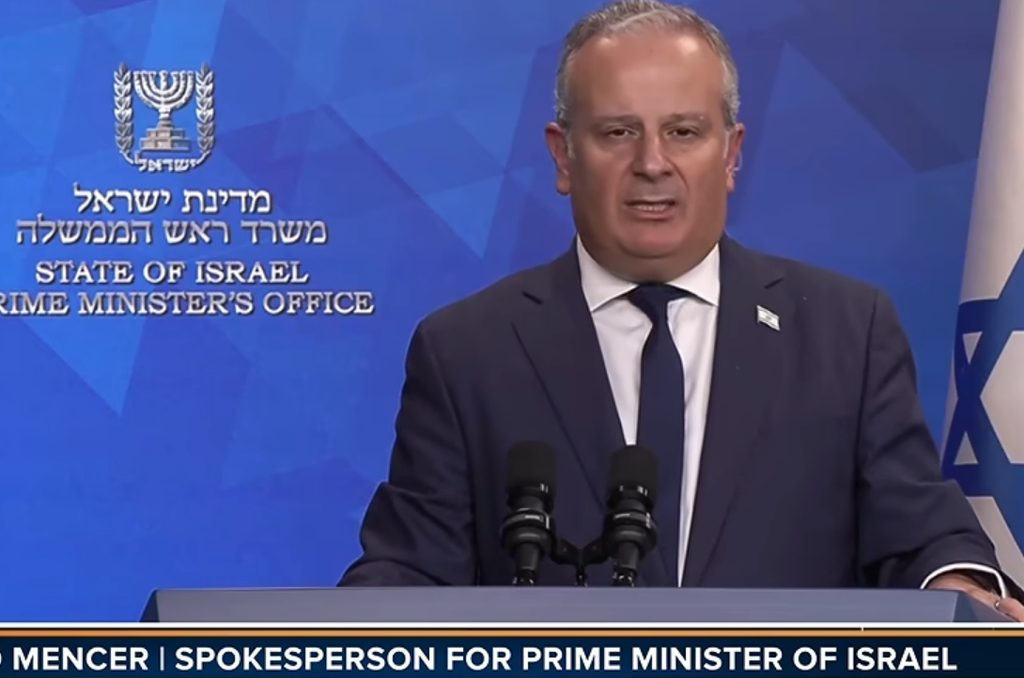
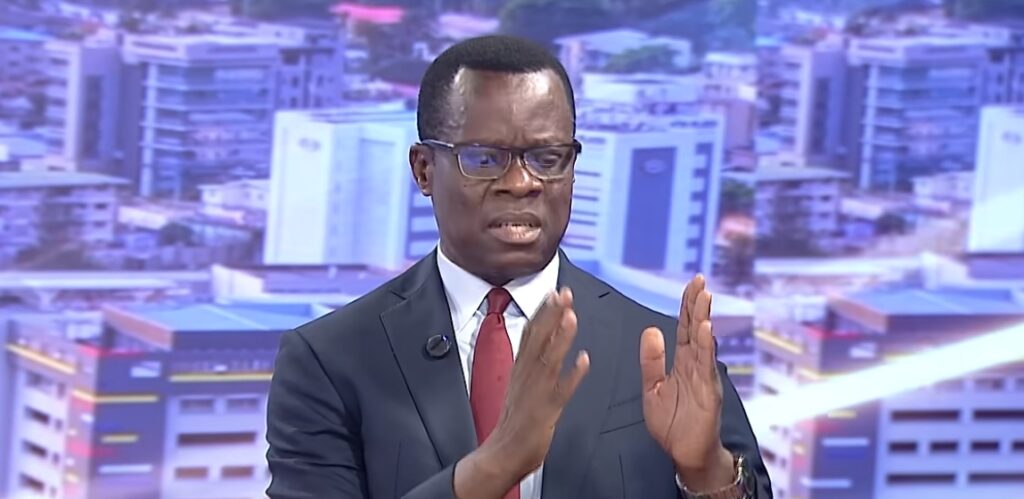
The response from Israeli officialdom was immediate and unsparing. David Mencer, a spokesman for Prime Minister Benjamin Netanyahu, argued the announcement had nothing to do with changing Israeli behaviour and everything to do with Labour’s domestic troubles — specifically the Holborn and St Pancras by-election on 8 October, where the Green Party, led by Zack Polanski, is putting Labour under pressure. “What precisely will change on the ground from Israel’s point of view? It will change precisely nothing,” Mencer said, arguing the policy was “designed to change Labour’s political fortunes,” not Israeli policy.

He cast the measures as discriminatory in effect, saying Britain would now “boycott Jewish business people… only Jews in Judea and Samaria.” He also pointed to what he called a double standard: Britain says Israel has a right to defend itself, he argued, “provided we don’t actually exercise it,” while restricting defence exports and imposing no comparable sanctions over Russia, China, or the killing in Darfur. Israel’s own retaliatory steps — closing a UK consulate and barring entry to twelve British figures, including Jeremy Corbyn, Diane Abbott, John McDonnell and Richard Burgon — were, in Mencer’s words, simply keeping out people he described as “Jew haters.”
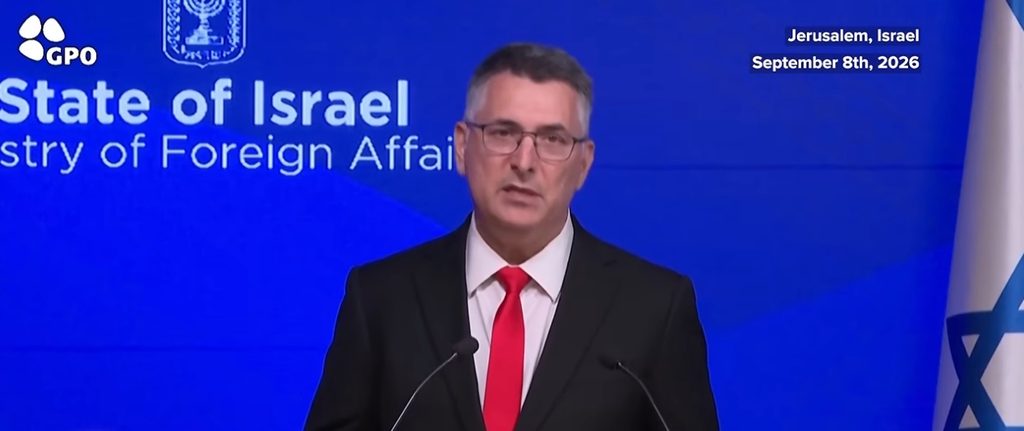
Israel’s foreign minister, Gideon Sa’ar, was equally blunt in a separate clip, calling the British move “morally distorted” and “blatant interference in the affairs of a sovereign state and its electoral process.” He likened it to Britain’s 1939 White Paper policy and quoted a British general from the mandate era who spoke of punishing “the Jews by striking at their pockets” — invoking that history to call the current measures an echo of antisemitism.
The Huckabee controversy
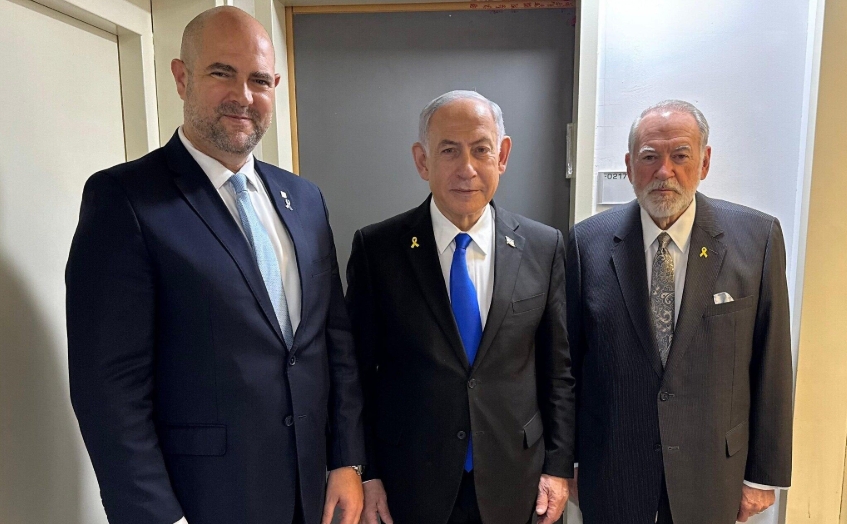
The sharpest language, though, came from Washington’s man in Jerusalem. US Ambassador Mike Huckabee, in a BBC interview, was asked directly whether he considered Miliband — who is Jewish — “a hater of Jews.” Huckabee didn’t answer that directly, saying instead, “you go by what people do, not just by what they say or who they’re related to,” and calling the UK’s action “irrational,” asking pointedly why there were no comparable sanctions against North Korea, China or Russia. Pressed on whether he knew Miliband was Jewish when he made his original comments, Huckabee said he did, and that it “did not change my opinion.” He said he felt the policy amounted to “discrimination against the Israeli government… discrimination against the Jewish people.”
Asked whether he agreed with that framing, Mencer said the conclusion that the sanctions were motivated by “Jew hate” was, in his words, “an obvious conclusion.” These remain contested characterizations made by Huckabee and Mencer, not established findings, and the British government has not been shown in the transcript responding to that specific charge.
Settlers, a minority and a majority

On the West Bank itself, Mencer drew a distinction he wanted understood clearly. Netanyahu, he said, has spoken out against “about 150 hooligans, vigilantes” accused of “appalling activities” — a group he said Israeli police and army are actively working to contain, calling it “a declining phenomenon” but “appalling nonetheless.” He objected strongly, though, to extending that judgment to the roughly 750,000 Israelis living in the West Bank, whom he described as “the most law-abiding, loyal citizens in our country.”
Gaza and the aid dispute

On Gaza, Mencer disputed Miliband’s earlier claims about medicine shortages, citing a figure — attributed to Israel’s foreign ministry — of 22,500 tons of medicine delivered since the ceasefire. He referenced President Trump’s twenty-point plan, arguing Israel had met its humanitarian commitments, including 600 truckloads a day of food and medical supplies, while Hamas had failed to disarm or disband as the plan required. He accused Hamas of designing the conflict “to maximize harm against their own civilians” for public-relations purposes, and blamed unnamed NGOs, which he said were funded by “nefarious actors,” for skewing perceptions of Israel. These figures and characterizations were presented by Mencer and were not independently verified within the interview.
A relationship turning cold
Mencer’s closing argument was the starkest. He said Labour “fundamentally misunderstands” Israelis, pointing to the Oslo Accords, the Second Intifada, the withdrawal from Gaza and the October 7 attacks as reasons external pressure won’t work. “It will produce precisely the opposite reaction,” he warned, before comparing Britain’s likely trajectory to France’s marginal standing in Middle East diplomacy — “mildly annoying, but absolutely irrelevant.” Miliband, he said, had put Britain “firmly in that irrelevant camp.”
Whether that verdict holds is, in the end, the real question the interview leaves hanging. Britain has taken a significant legal and economic step it says reflects its values and the reality on the ground. Israel’s government insists the move changes nothing about its policy while damaging a decades-old relationship. Which of those turns out to be true will depend on what happens next — not on what either side says now.