
New Bakassi Deep Seaport Set to Create Jobs and Attract Billions in Investment
Major Maritime Project Set to Transform Nigeria’s Economy
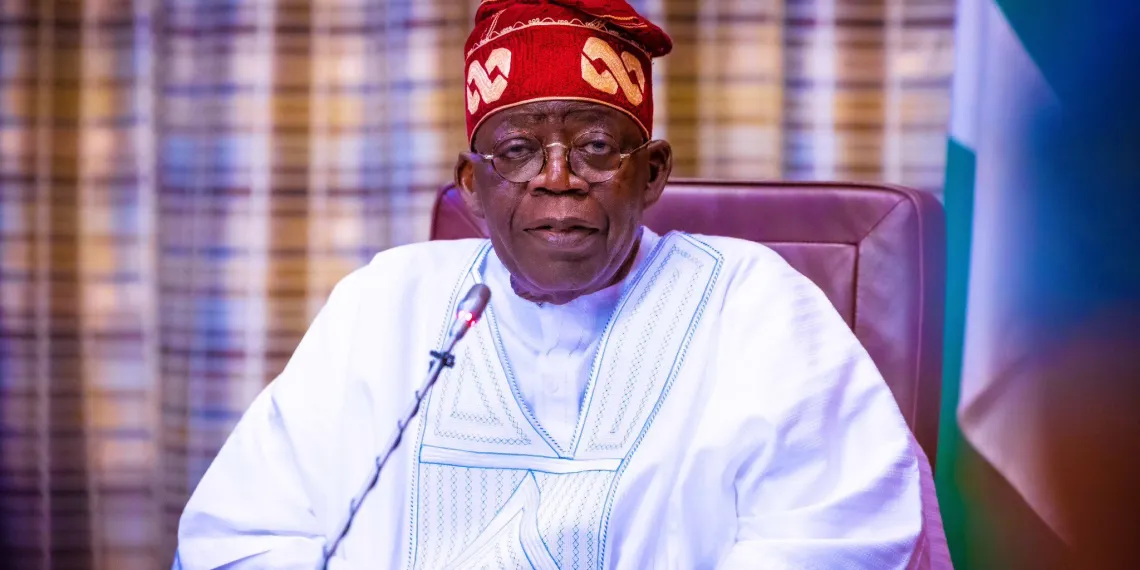
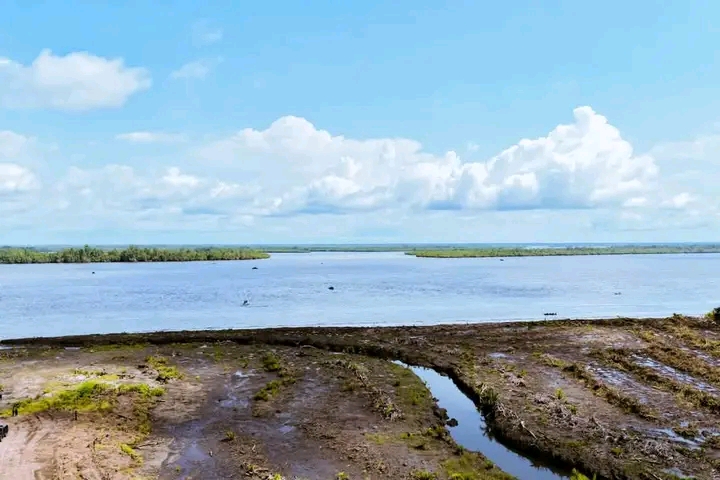
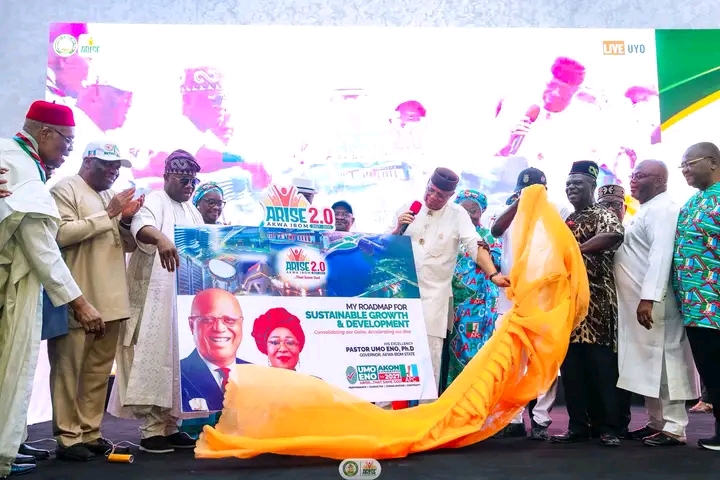
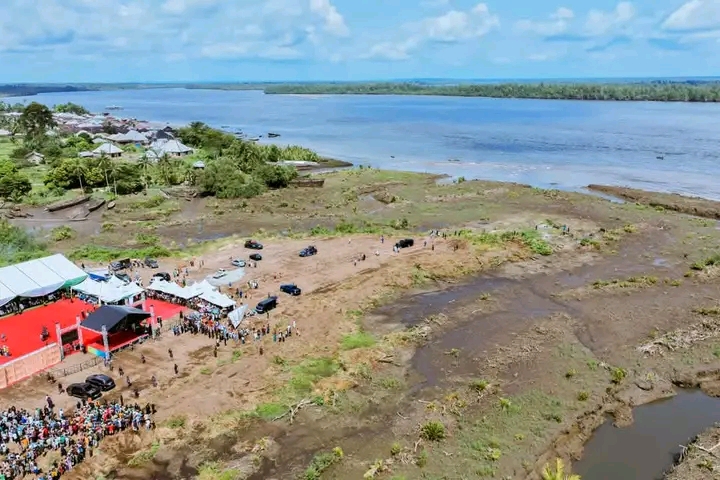
President Bola Ahmed Tinubu has officially flagged off the construction of the $2.27 billion Bakassi Deep Seaport in Cross River State, describing the project as a major maritime boost expected to attract industries and create thousands of jobs for residents of the state and Nigerians at large.
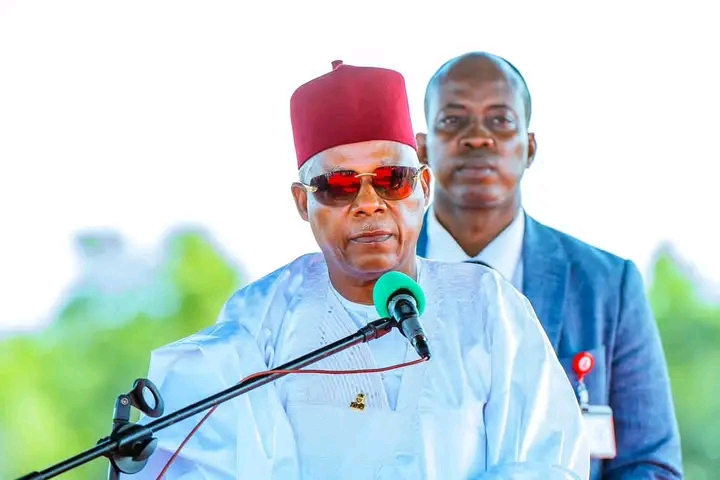
The President, represented at the groundbreaking ceremony by Vice-President Kashim Shettima, said the project would open new commercial corridors, strengthen Nigeria’s position in international trade and expand economic opportunities.
Bakassi Port to Ease Pressure on Lagos and Attract More Cargo
Shettima said the port, first conceived in 2014, would ease pressure on existing ports, particularly those in Lagos, and help Nigeria retain cargo traffic that is currently being diverted to neighbouring countries. Designed with a 20-metre draught to accommodate large vessels, the proposed port will be linked to a 260-kilometre superhighway to facilitate the movement of goods to markets across the country.
“This is more than just a dream for Cross River State; it is a Nigerian project and a poverty breaker,” the vice-president said.
Why Nigeria Needs More Than One Major Maritime Gateway
He stressed that Bakassi would complement, rather than compete with, Lagos, which handles more than 80 per cent of Nigeria’s foreign trade. “Lagos is not our enemy. Lagos is our elder brother in trade. No country eats with one hand. No country carries all its loads on one shoulder. That shoulder will break. When Calabar thrives, Nigeria functions effectively,” he said.
Shettima lamented that Nigeria had yet to fully exploit its coastline along the Gulf of Guinea, allowing neighbouring countries to benefit from cargo that could otherwise pass through Nigerian ports. He noted that although about 90 per cent of global cargo moves by sea, Nigeria handles only a fraction of regional maritime trade despite its economic potential.
The new facility, he said, would diversify the country’s maritime gateways, improve access to international markets and enhance its competitiveness in regional commerce.
From a 2014 Vision to a Major Investment Opportunity
Tinubu traced the project’s history to 2014, when it was conceived, with an Environmental and Social Impact Assessment developed in March 2015. He said the project had received renewed attention under Cross River State Governor Bassey Otu, whom he praised for advancing it—particularly for securing a $3.5 billion financing arrangement with the African Export-Import Bank and establishing its Public-Private Partnership framework in February 2025.
Tinubu Calls on Cross River Residents to Protect the Project
Acknowledging Cross River’s territorial and economic losses following the Bakassi Peninsula ruling and the resulting loss of oil revenue, the president urged residents to protect the project from political interference.
“The peninsula was not the end of your story but the beginning of your next chapter,” he said.
Governor Otu Describes the Groundbreaking as a Historic Milestone
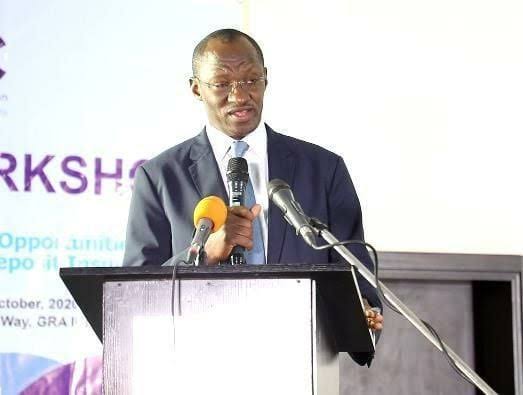
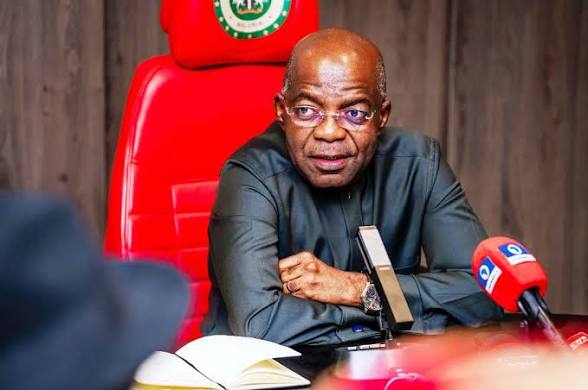
Governor Otu described the groundbreaking as a historic milestone, saying the current federal administration had helped revive a project that had weathered political, administrative, legal and environmental challenges.
He said the state had completed essential preparatory work, including an environmental impact assessment and hydrographic, geotechnical and geophysical surveys, and obtained the necessary federal approvals.
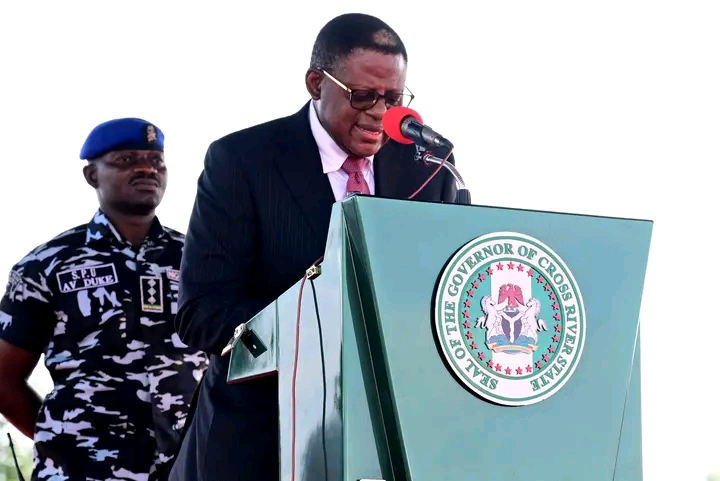
Thousands of Jobs and New Business Opportunities Expected
Otu disclosed that the port would be developed through a public-private partnership arrangement, with an initial funding approval of $2.27 billion.
The facility, he said, would create opportunities in logistics, shipping, fishing, tourism, trade and shipbuilding while positioning Cross River as a major maritime hub in the Gulf of Guinea.
New Navigational Charts and Coastal Highway to Strengthen Connectivity
The governor also said the surveys revealed deficiencies in the 1903 navigational charts, prompting the Federal Government to replace them on October 1, 2026, a development he described as an affirmation of Cross River’s littoral status.
He added that the state’s proposed economic corridor, connecting its airport, the seaport and the Lagos-Calabar Coastal Highway, would facilitate cargo movement and attract investment.
Urging maritime and related-industry investors to explore opportunities in the state, he highlighted its one-stop investment hub and available tax incentives.