

Nigeria’s Electricity Crisis: Where Is The Light?
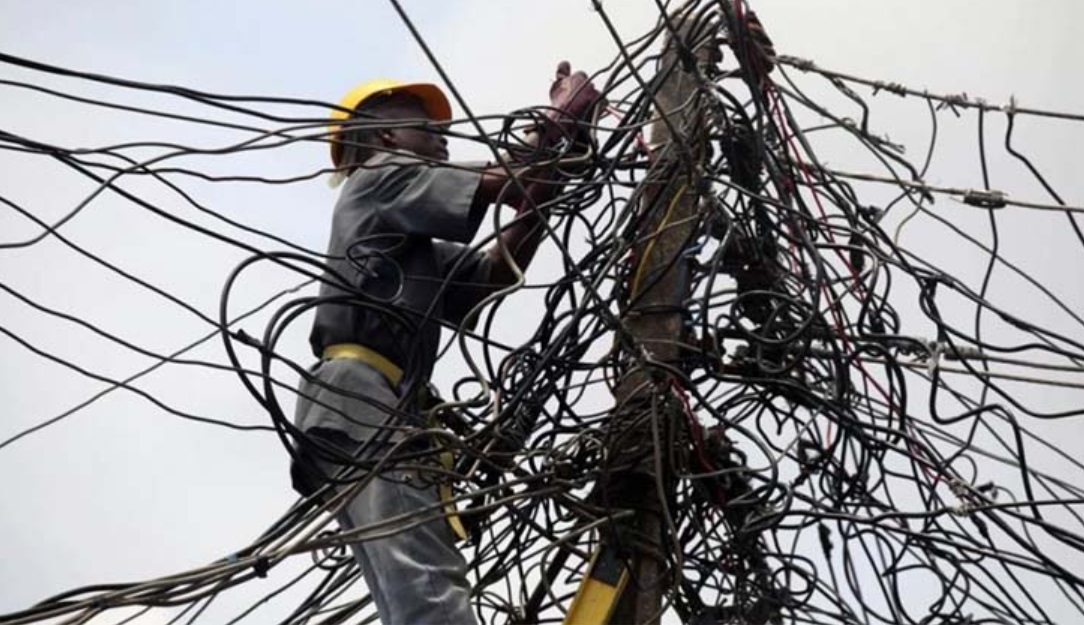
How decades of poor leadership, inadequate investment, corruption and failed reforms turned Nigeria’s electricity potential into a national economic burden.
From the Editor’s Desk
Nigeria’s electricity crisis remains one of the country’s most significant development challenges. The nation has abundant natural gas, hydroelectric potential and renewable energy sources, and it was among Africa’s largest economies for much of its modern history. Yet it still cannot supply reliable power. Millions of households and businesses face daily outages, and many depend on petrol and diesel generators.
Why has a country that spent billions of dollars on electricity infrastructure failed to deliver dependable power? The problem is not simply a shortage of electricity. It is a mix of poor planning, weak institutions, inadequate maintenance, questionable contracts, political interference and a persistent failure to turn public spending into measurable results. The crisis has become a symbol of the wider governance problems holding the country back.
How Nigeria Lost Its Power Advantage
Nigeria’s electricity story began before independence, with small generating facilities built during the colonial period. After independence in 1960, the country made real progress. Electricity infrastructure expanded alongside industry, backed by major hydroelectric projects such as the Kainji and Jebba dams. In 1972, the National Electric Power Authority (NEPA) brought generation, transmission and distribution under one public institution. At the time, Nigeria hoped to become an industrial powerhouse.
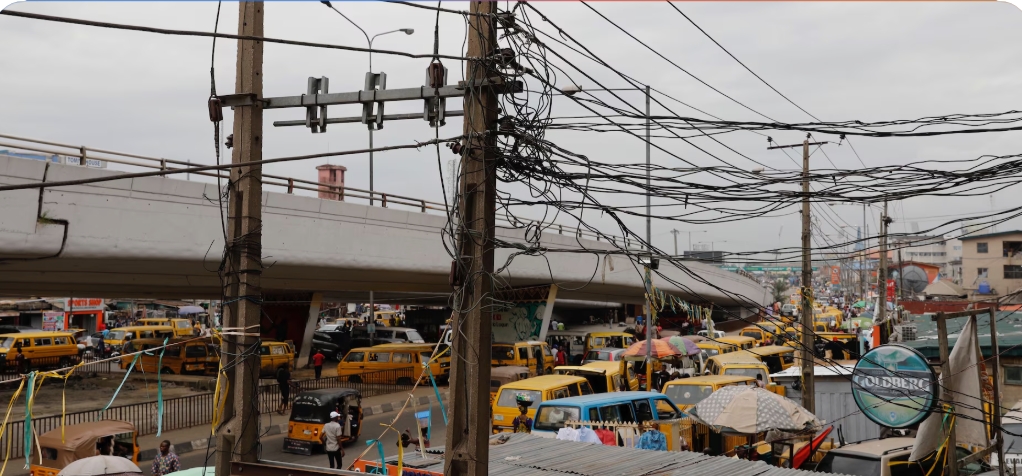
The seeds of today’s crisis became visible from the late 1970s and through the 1980s. Population growth, rapid urbanisation and industrial demand outpaced infrastructure, while maintenance and investment fell behind. Ageing equipment, weak planning and institutional inefficiency steadily wore the system down. Nigeria did not lose its power capacity overnight. It lost it through decades of neglect, underinvestment and poor management.
Billions Spent, but Where Is the Electricity?
The crisis is troubling because so much money has been spent on the sector with little to show for it. Successive administrations have announced ambitious projects and approved billions of naira for power plants, transmission lines, distribution networks and emergency interventions. Nigeria has also borrowed heavily from international lenders. In June 2023, for example, the World Bank approved an additional $750 million to support electricity-sector recovery and reforms.
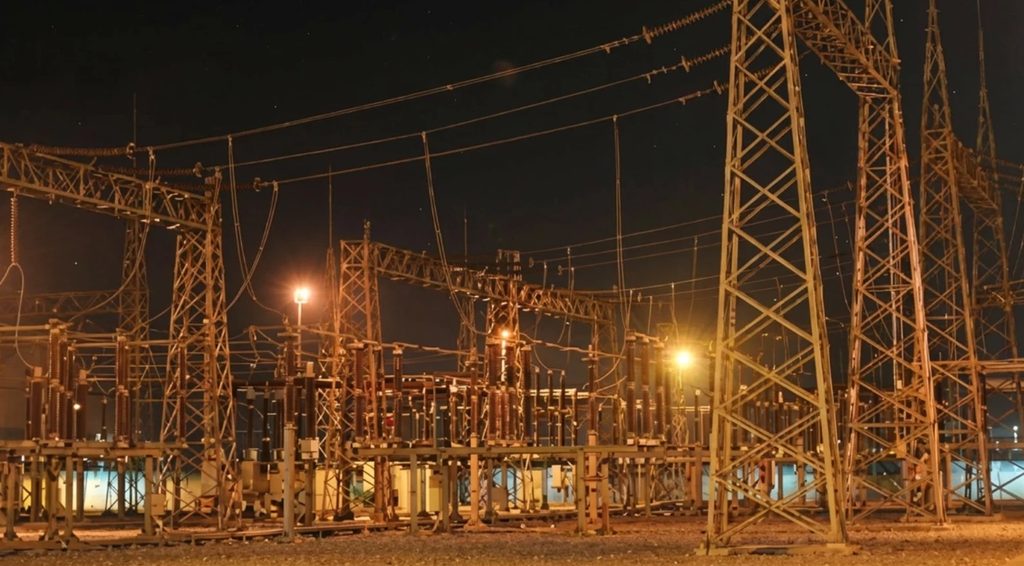
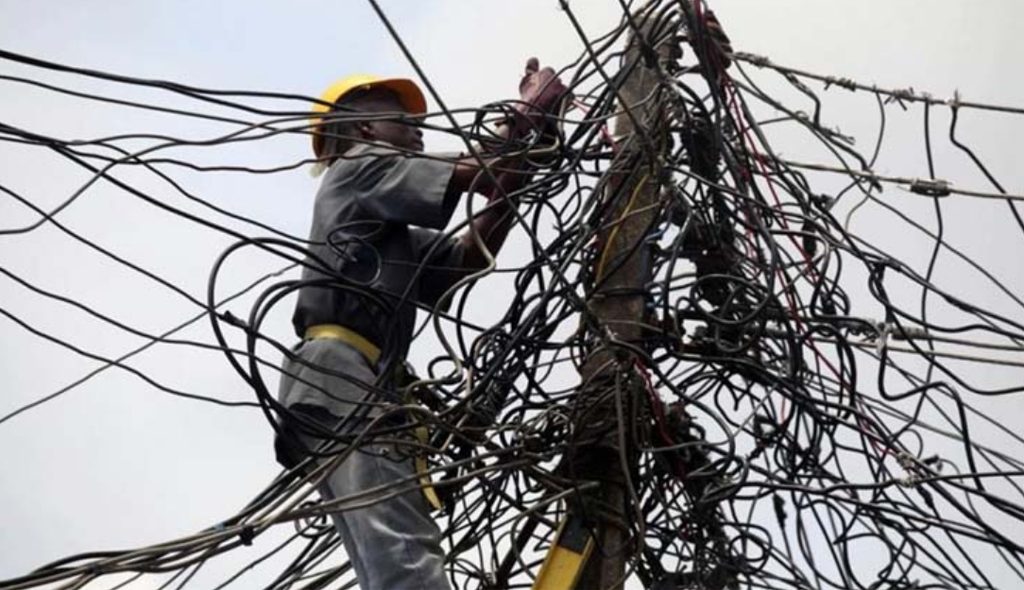
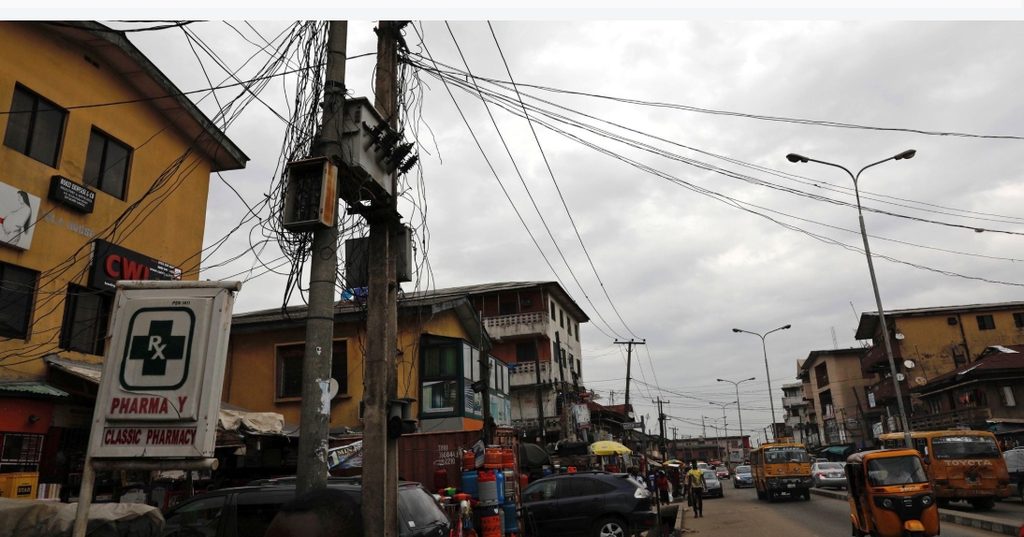
Yet ordinary Nigerians still get unreliable supplies. The reason is simple: spending on infrastructure does not automatically put electricity into homes and factories. Some power plants lack enough gas, and others suffer equipment failures. Transmission lines cannot always carry the power that is available. Distribution companies struggle with too few transformers, overloaded networks, poor metering and commercial losses.
The financial structure exacerbates the situation. Unpaid bills, weak revenue collection, government subsidies and outstanding debts leave companies unable to maintain and expand their operations. The right question, then, is not how much government has spent. It is how much usable electricity each naira has delivered.
The Electricity Decline: What the Numbers Reveal
The data show a serious gap between infrastructure growth, population growth and the electricity people actually receive. It helps to separate total generation from reliable supply. Annual generation rose from roughly 2,493 gigawatt-hours (GWh) in 1973 to about 37,555 GWh in 2024, so it would be wrong to say that generation has fallen continuously since the 1970s.
The real failure is that generation has not kept pace with a fast-growing population and rising industrial demand. Meanwhile, weak transmission and distribution stop much of the available power from reaching consumers reliably. Nigeria’s installed capacity reached about 14.1 gigawatts in 2023, but installed capacity is not the same as a reliable supply.
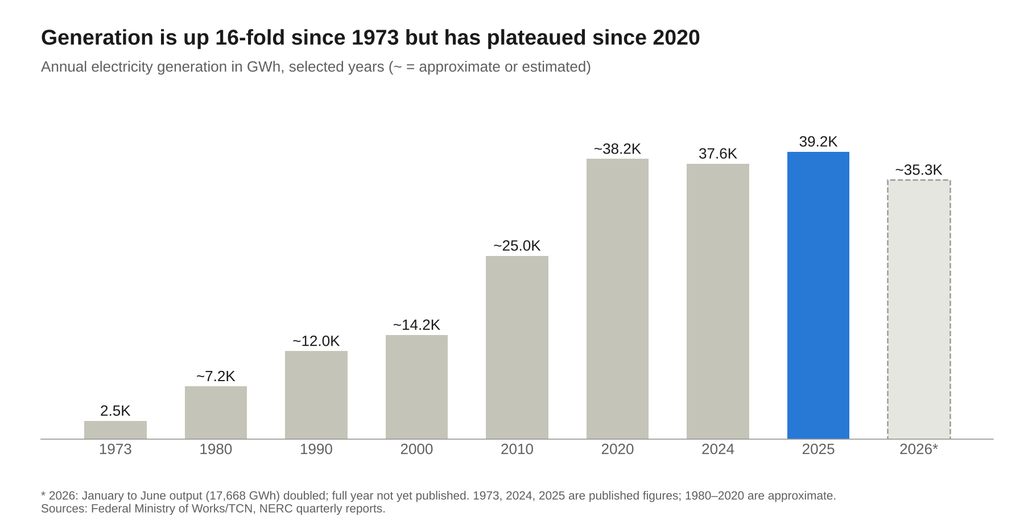
Sources: Federal Ministry of Works/TCN historical report, Central Bank of Nigeria and published electricity statistics. Different historical series may use different reporting methods.
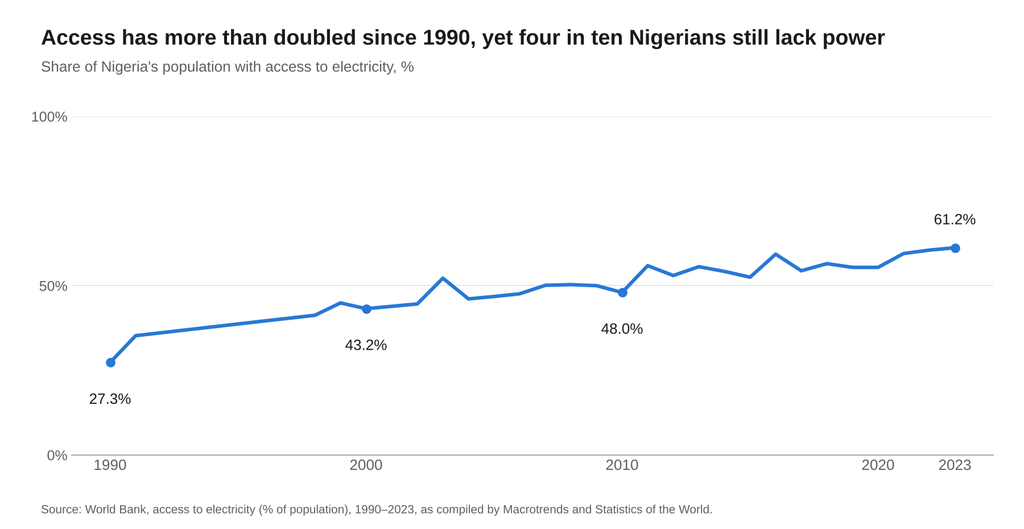
The chart tells a clear story. Generation has grown over the decades, but not enough to serve a population that has expanded dramatically. In 2024, only 62.5% of Nigerians had access to electricity, compared with 91.9% in Ghana and 90.2% in South Africa. And access alone does not guarantee uninterrupted supply.
Electricity access over time
Access has more than doubled since 1990, from 27.3% to 61.2% in 2023, but progress has been uneven.
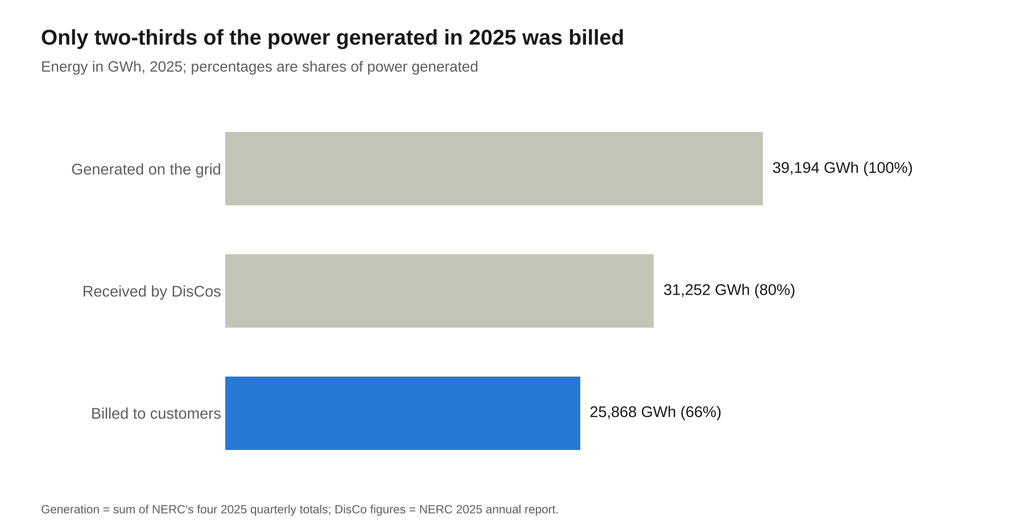
What happens to power after it is generated
Even for connected customers, much of the generated power never reaches a bill. Distribution companies (DisCos) received roughly four-fifths of what the grid produced in 2025 and charged customers for about two-thirds of it.
Why Successive Governments Have Failed to Fix It
No single president or party owns this crisis. It is the cumulative result of inconsistent policies, weak accountability, political interference and institutional failure. Governments have often preferred announcing new projects to completing, maintaining and evaluating existing ones. Leaders have also avoided difficult decisions on tariffs, subsidies, private-sector responsibilities and the financial health of the market.
The 2005 Electric Power Sector Reform Act and the 2013 privatisation of generation and distribution companies were meant to improve efficiency and attract investment. But handing over ownership was not enough without adequate capital, technical expertise, strong regulation and enforceable performance standards. Meanwhile, government agencies, power companies and other stakeholders have often blamed one another instead of accepting measurable accountability.
The result is a familiar cycle. New administrations inherit old problems, launch new reforms, announce fresh spending and leave the core weaknesses untouched. Fear of public anger over higher tariffs has also discouraged consistent, long-term decisions.
The Human and Economic Cost of Unreliable Power
The damage goes far beyond the inconvenience of darkness. Small businesses spend a large share of their earnings on petrol and diesel for generators. Manufacturers face higher production costs that make Nigerian goods less competitive, and some businesses cut hours, raise prices, relocate or close. Hospitals need steady power for medical equipment, vaccine storage and emergency services. Students struggle to study, online businesses suffer interruptions, and households spend on alternative energy instead of on education, food, and other essentials.
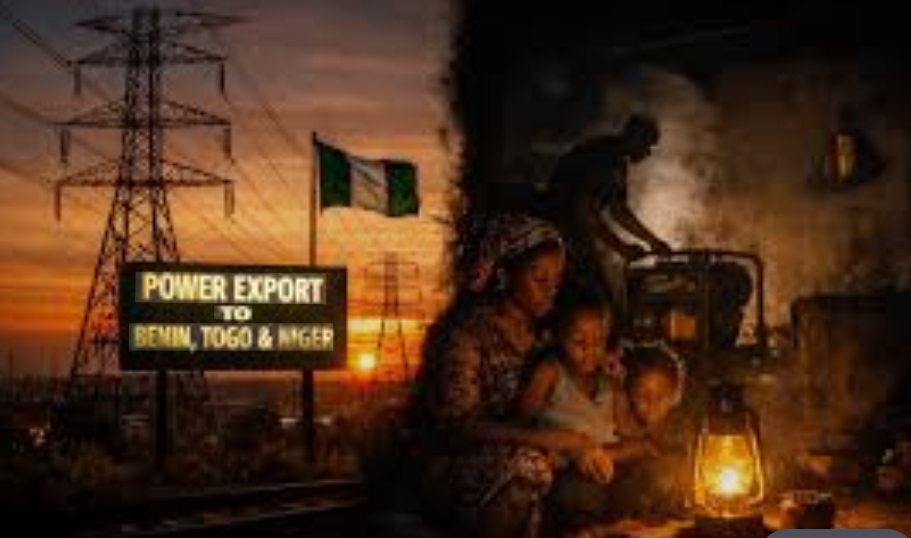
The economic toll is huge. The World Bank’s 2023 assessment estimated that unreliable electricity costs Nigeria between ₦7 trillion and ₦10 trillion a year, or about 5–7% of GDP. Reuters also reported a World Bank estimate of roughly $29 billion in annual losses. Poor power supply is therefore more than an infrastructure problem. It is a direct obstacle to jobs, industrialisation, investment, productivity and poverty reduction. No country can grow sustainably when businesses must generate much of their own electricity.
How Nigeria Compares With Ghana and South Africa
The comparison with other African countries is sobering. According to World Bank data for 2024, electricity access stood at 62.5% in Nigeria, 91.9% in Ghana and 90.2% in South Africa. Nigeria still has a wide gap to close, despite its vast gas reserves and its hydroelectric and solar potential.
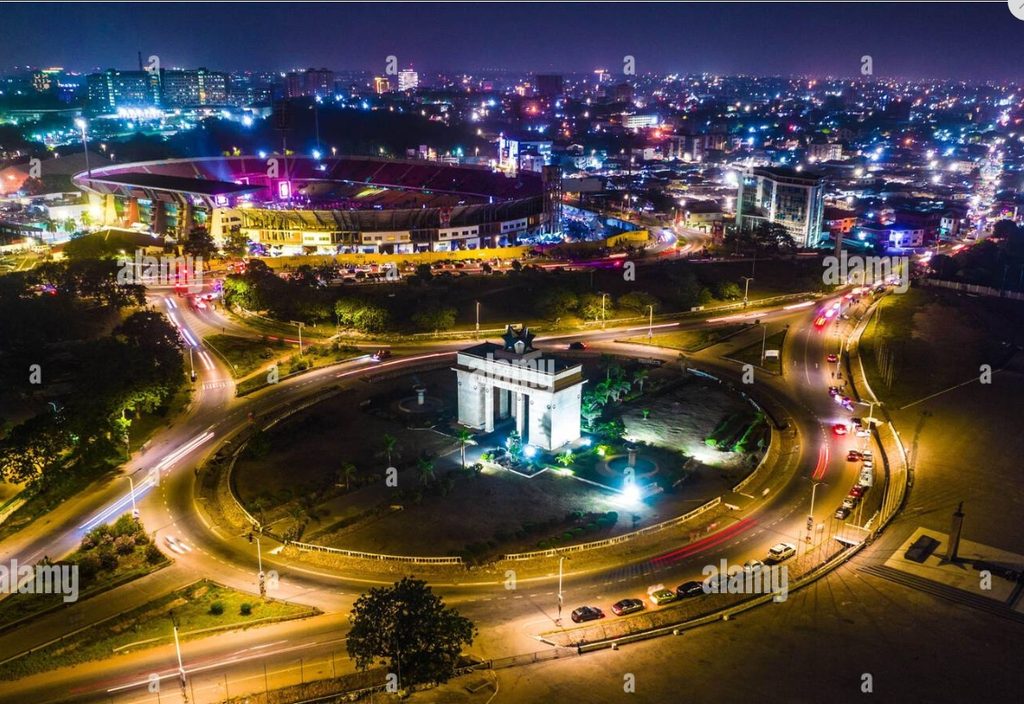
South Africa has had its own serious problems, including power shortages and infrastructure failures. Even so, the comparison shows why dependable generation, effective transmission, regular maintenance and long-term planning matter. Ghana’s progress shows that a country does not need Nigeria’s population or resources to improve access.
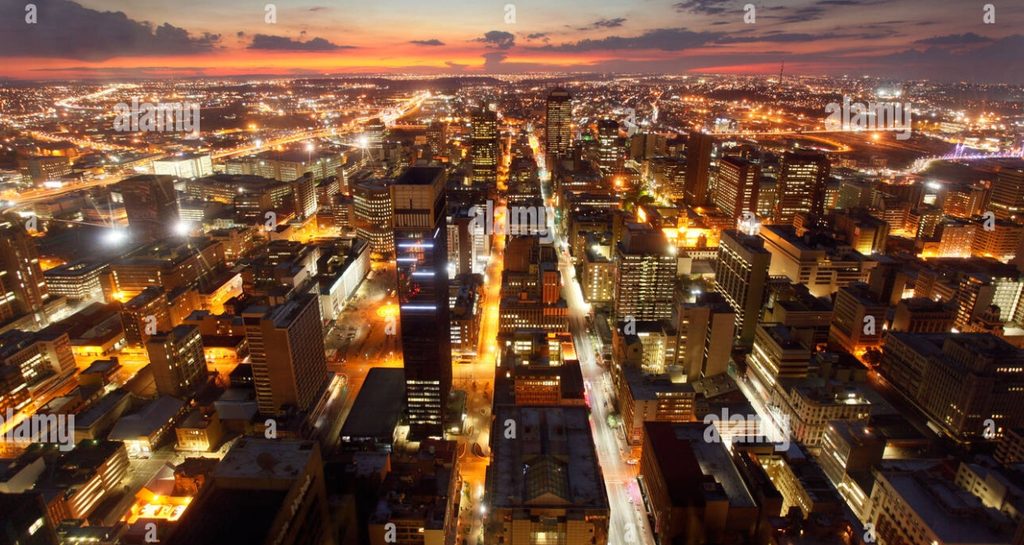
Nigeria must stop measuring success by the number of power stations commissioned or the billions approved. The real test is how many hours of dependable electricity reach homes, schools, hospitals and factories every day.

Practical Solutions: How to Restore Nigeria’s Electricity Sector
Solving the crisis takes more than another presidential promise or fresh funding announcement. Nigeria should take these steps:
- Be transparent. Publish clear accounts of electricity spending, contracts, completed projects and results, with independent audits and real consequences for mismanagement.
- Fix existing plants. Rehabilitate and maintain power stations, and strengthen gas supply agreements so plants receive enough fuel.
- Modernise transmission. Expand and upgrade the grid to reduce bottlenecks, grid collapses and power losses.
- Hold distributors accountable. Set enforceable performance standards, backed by investment in transformers, smart meters and reliable networks.
- Embrace decentralised power. Accelerate solar mini-grids, battery storage and independent power projects, especially in rural communities and industrial areas.
- Empower the states. Use the Electricity Act 2023 to build properly regulated local electricity markets.
- Price fairly. Link tariffs to service quality and give vulnerable households targeted support instead of poorly targeted subsidies.
- Plan long-term. Adopt a national electricity plan that survives changes in political leadership.
Conclusion: Power Must Become a National Priority
Nigeria does not lack the resources to fix its electricity sector. It urgently needs responsible leadership, technical competence, financial discipline and the political will to deliver results. Electricity is not a luxury. It is the foundation of modern economic development. Until Nigeria treats reliable power as a national priority rather than a campaign promise, its industrial ambitions will remain stuck in the dark.