


From Tel Aviv to Jerusalem, Israelis Head Out to Vote
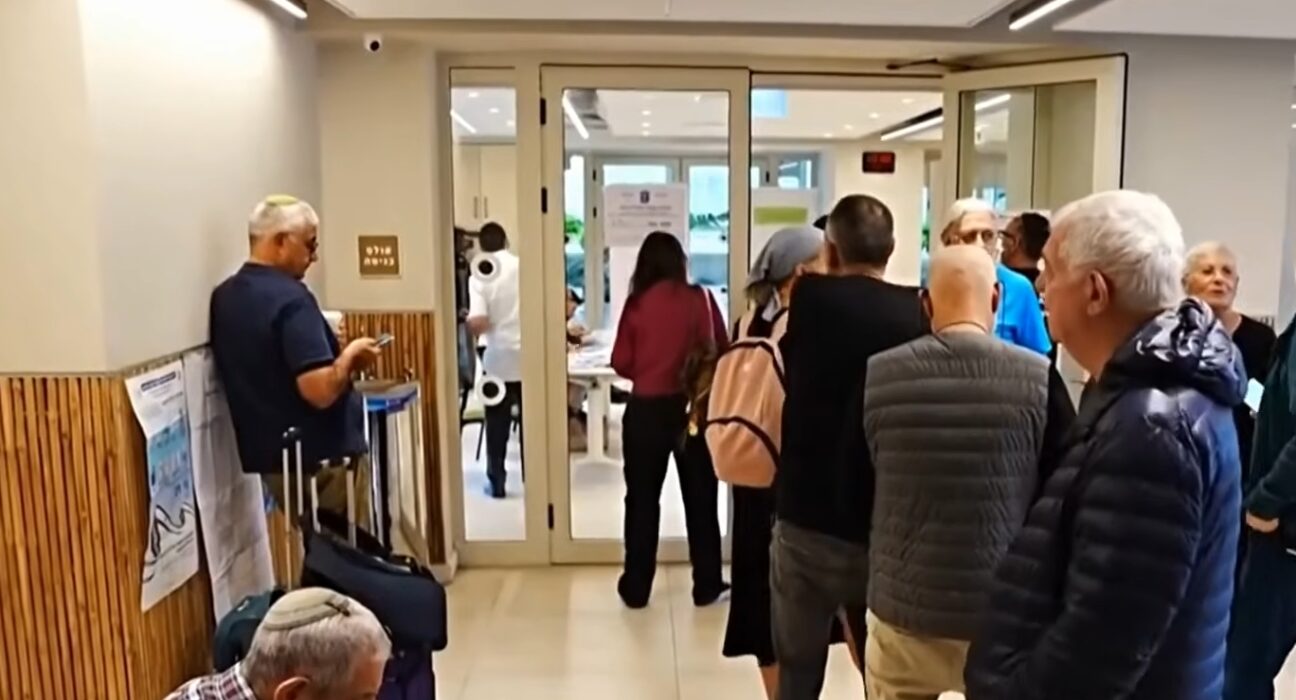
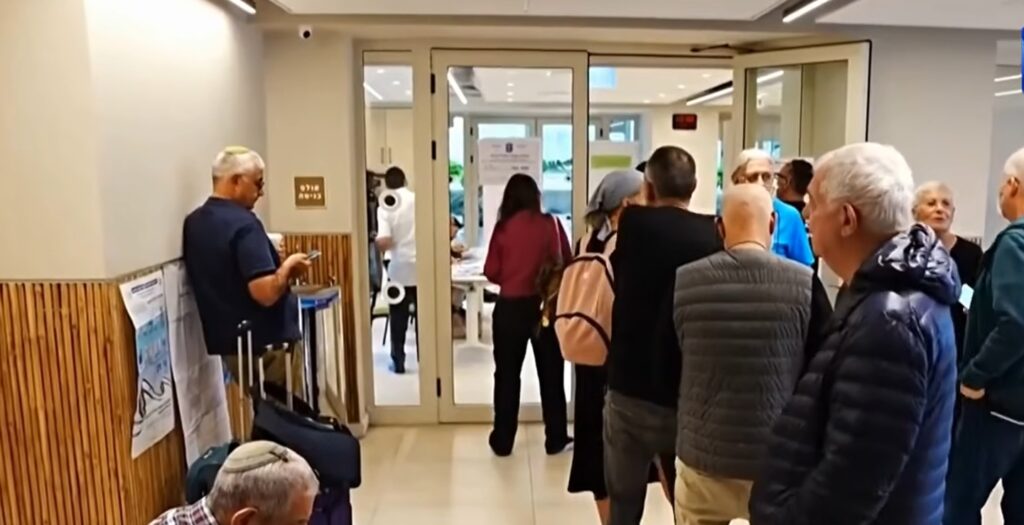
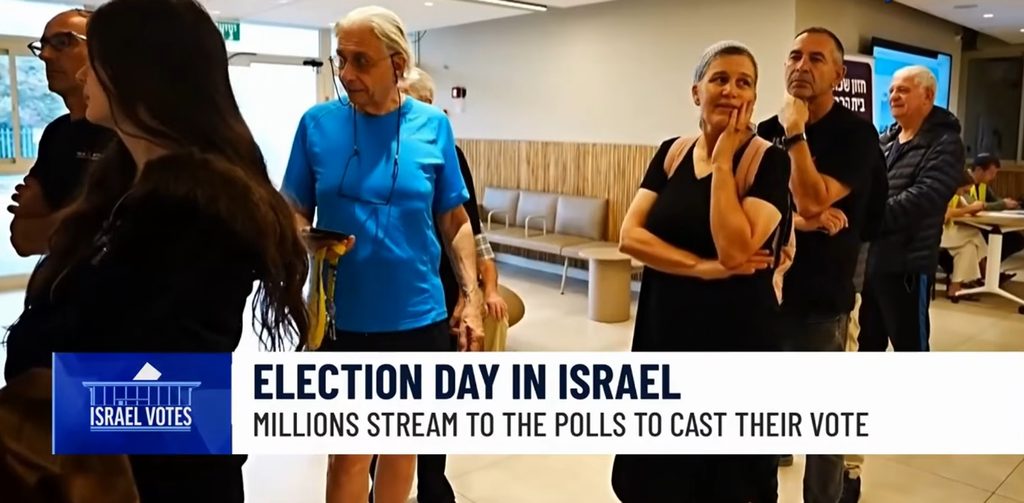
Israelis voted in a knife-edge election that could decide whether Benjamin Netanyahu stays in power or Gadi Eisenkot takes over, with turnout reported at 31.5% by noon amid allegations of disruption at polling stations.
Global Affairs Hub 247 followed the day’s developments as reported by ILTV, whose coverage mixed a sense of civic celebration with warnings of disruption and deep political division.
Record Turnout Reported at Midday
Polling stations opened at 7 a.m. According to figures the broadcast attributed to the Central Elections Committee, turnout reached 31.5% by noon. The programme’s host described the turnout as a record for the hour. The coverage also cited numbers on eligible voters, first-time voters, polling stations and competing parties, but several of these figures were unclear in the material reviewed, so we are not reproducing them here.
Allegations of Disruption at the Polls
The broadcast relayed a series of alleged incidents and complaints from across the country:
• Attempted sabotage of ballot boxes
• Vandalism and attacks involving party representatives
• People were recording the names of individuals who had voted for a particular party.
• Party leaders and local monitors raised concerns about missing or scarce ballot papers.
The broadcast presented these claims as allegations and complaints. The coverage did not independently confirm them, and Global Affairs Hub 247 has not verified them. The broadcast also reported that Netanyahu warned of attempts to disrupt the vote and urged voters to stay vigilant.
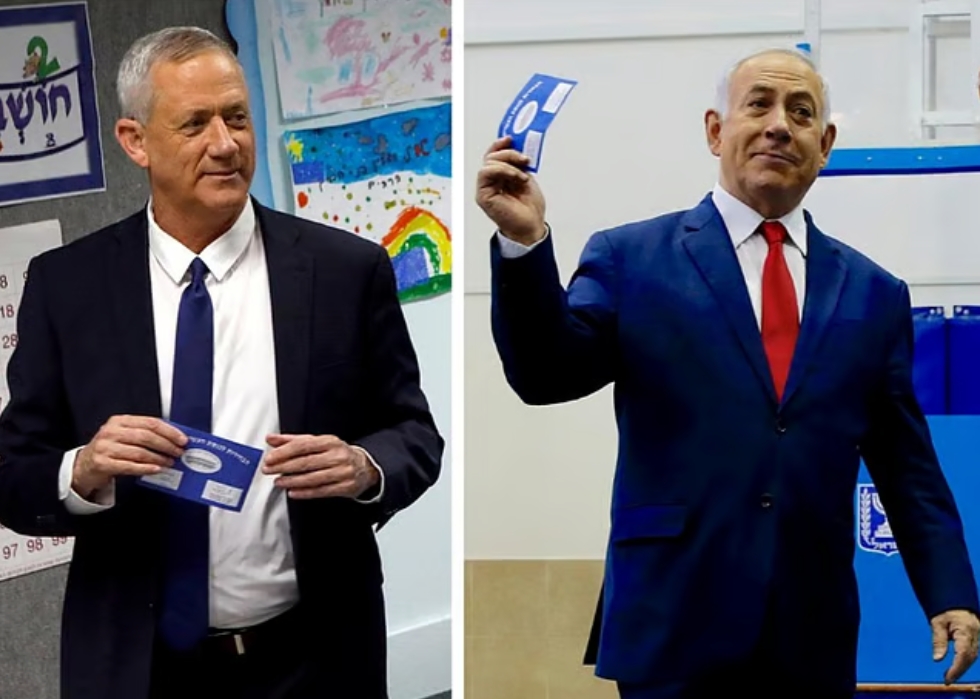
Netanyahu vs. Eisenkot: A Tight Contest
Panellists on the programme disagreed over who is better placed to form a government. Ruthie Bloom said a pollster she regards as historically accurate expects the Netanyahu camp to be able to assemble a coalition. By her account, other pollsters are forecasting either an Eisenkot-led coalition or a stalemate.
Rabbi Dov Lipman urged caution about relying on polls, pointing to what he called an unusually large pool of undecided voters. He argued that neither bloc may be able to govern without the other.
Where the Two Leaders Differ
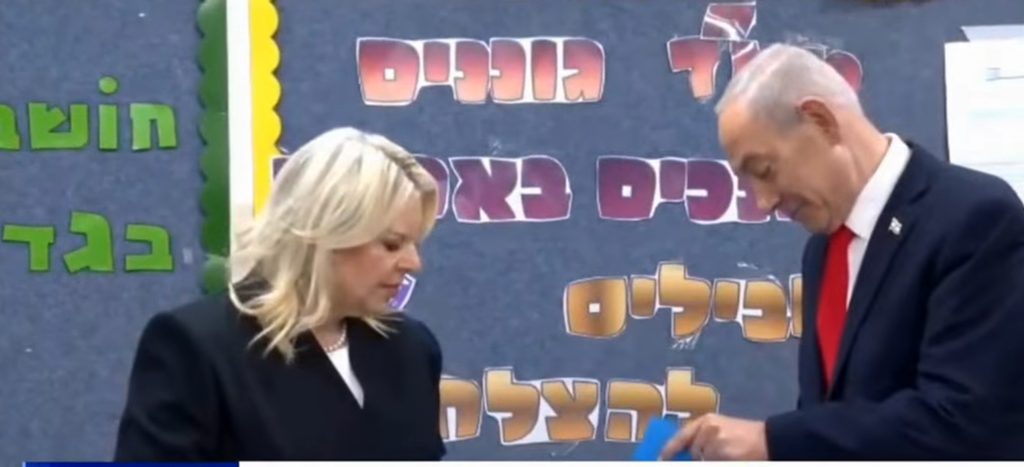
Bloom characterised Eisenkot as left-leaning and noted that he diverges from Netanyahu on issues such as Iran, the conduct of the war, and an inquiry into the October 7 attacks. Lipman rejected the framing, arguing that “left” and “right” labels can hide common ground, particularly on security. He said he believed the two men could potentially work together.
Could a Unity Government Emerge?
A unity government was among the outcomes the panel discussed. Lipman said some voters want centrist and right-wing parties to find common ground, including on military service requirements for ultra-Orthodox men. He suggested that coalition talks could eventually create pressure to compromise.
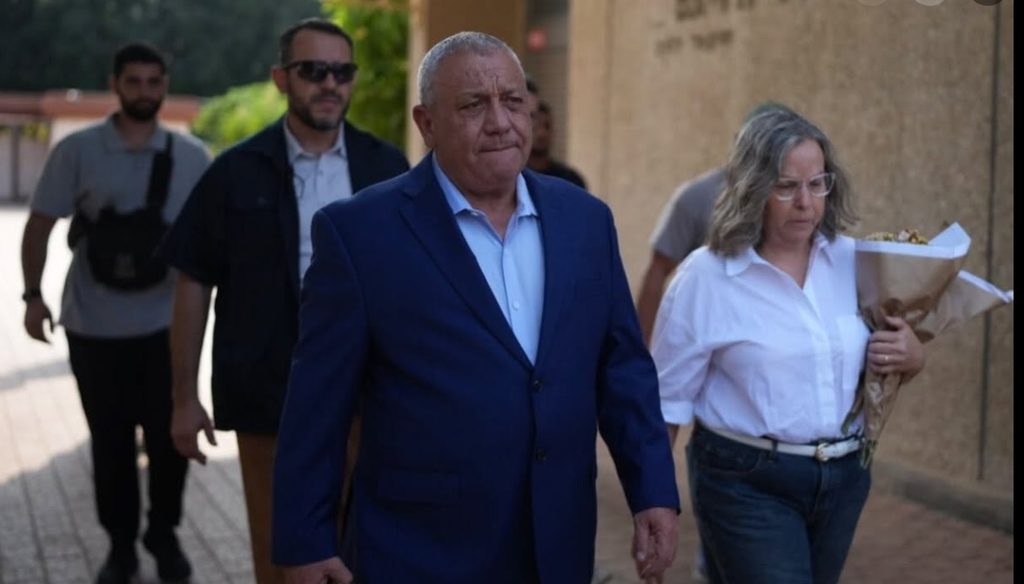
Bloom was more sceptical, saying major policy gaps remain and that a unity arrangement would be difficult to achieve. Both panellists noted that politicians had campaigned against sitting alongside one another, which makes any post-election deal uncertain.
Possible Paths After the Vote
The panel laid out several scenarios, ranging from a decisive result to drawn-out coalition negotiations and even another election. It did not predict a winner.
The Result Still to Come
the main question remained unanswered: whether Netanyahu, Eisenkot or a broader coalition will lead Israel. We will report on the official results and any coalition developments as they emerge.