




Old Tech, New Threat: Why Supermarket Fridges Are an Easy Target
A Monday Morning Surprise
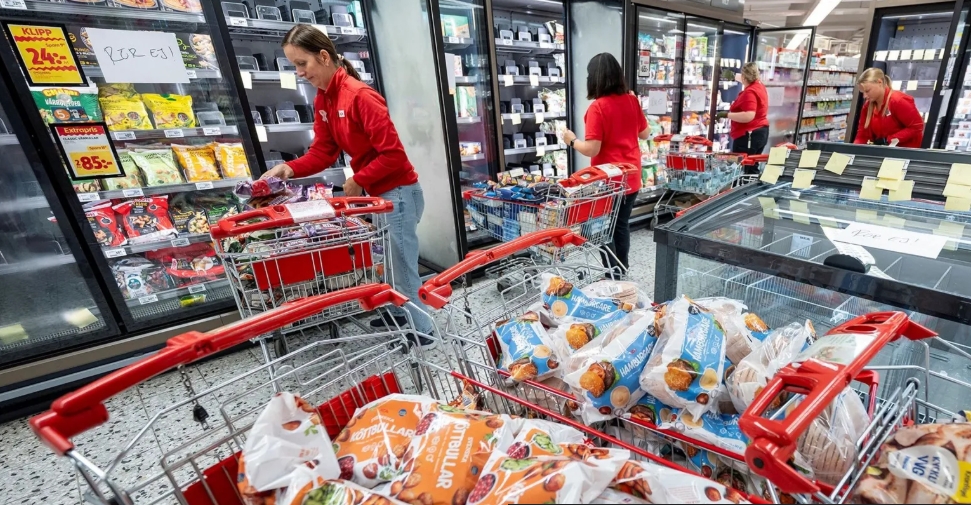
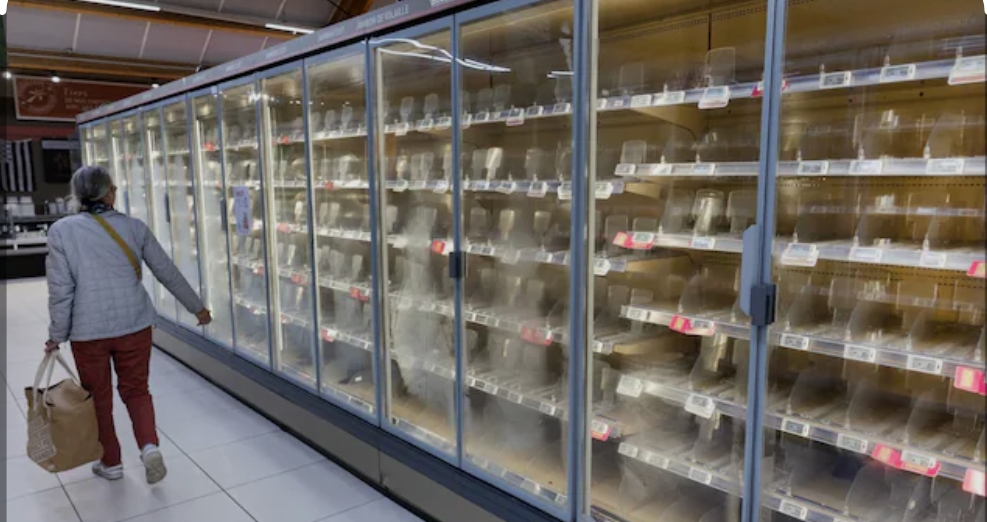
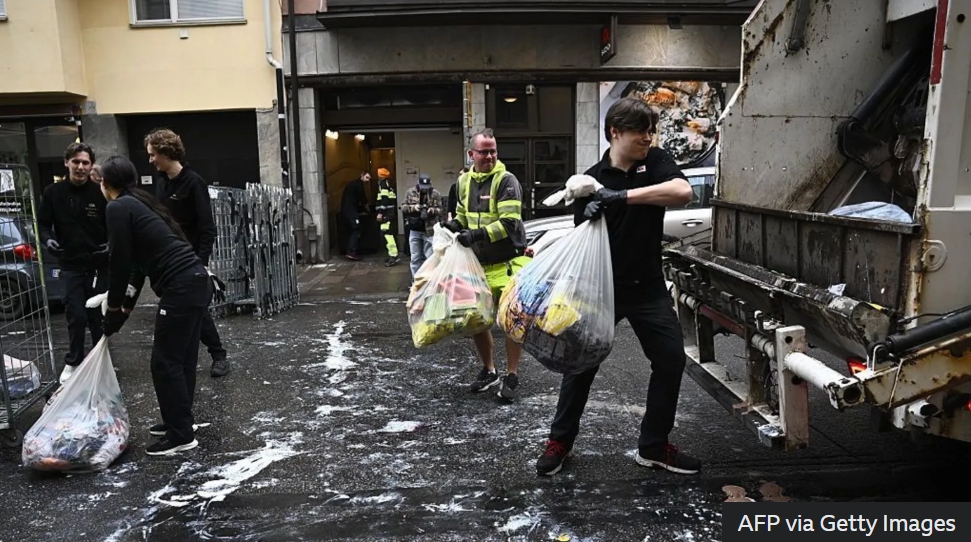
Shoppers across Europe walked into stores on Monday and found empty fridge shelves. Supermarkets in Sweden, Belgium, Luxembourg and Estonia were hit by freezer and fridge problems that apparently came from cyberattacks, and some had to throw out spoiled food. Stores in the Netherlands and Ireland were affected too.

Not the First Time
It is not the first time. Last month, attackers remotely took control of refrigeration systems in hundreds of supermarkets and independent stores across France, sending temperatures soaring. In France, fridges and freezers reportedly climbed as high as 50°C, spoiling food and starting fires at several stores.
How Far the Damage Spread
The latest wave was smaller but spread across more countries. Ireland’s SuperValu said 13 of its 223 stores were affected. Sweden’s Coop reported seven of its 800 stores. Belgium’s Carrefour said 15 of its more than 700 stores were hit, which it called an extremely limited impact. The CEO of Belgian refrigeration company Sabcobel said the units’ evaporators were switched into defrost mode.
The Weak Spot: Older Equipment
Experts point to older equipment as the weak spot. Investigators identified Danfoss refrigeration controllers as the attack surface in France, and the same vulnerabilities were found in supermarkets across Europe. The party behind the attack is still unknown.
What This Means for All of Us
The lesson is simple and a little unsettling. An expanding range of everyday devices can now be controlled remotely, which opens new doors for cybercriminals. The cold chain that keeps our milk, meat and ice cream safe is now a digital system, and it needs the same protection as a bank. For shoppers, the practical advice is to check use-by dates and be wary of food that has been warm.