


New Chairman For US Reserve Bank
A New Federal Reserve Era Begins Under Kevin Warsh
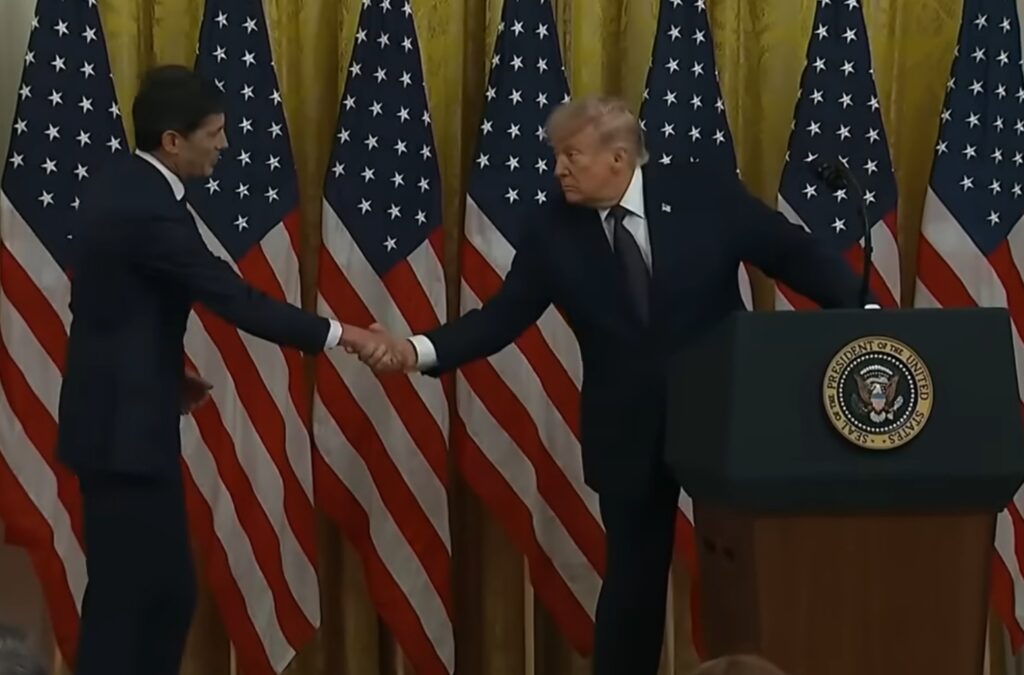
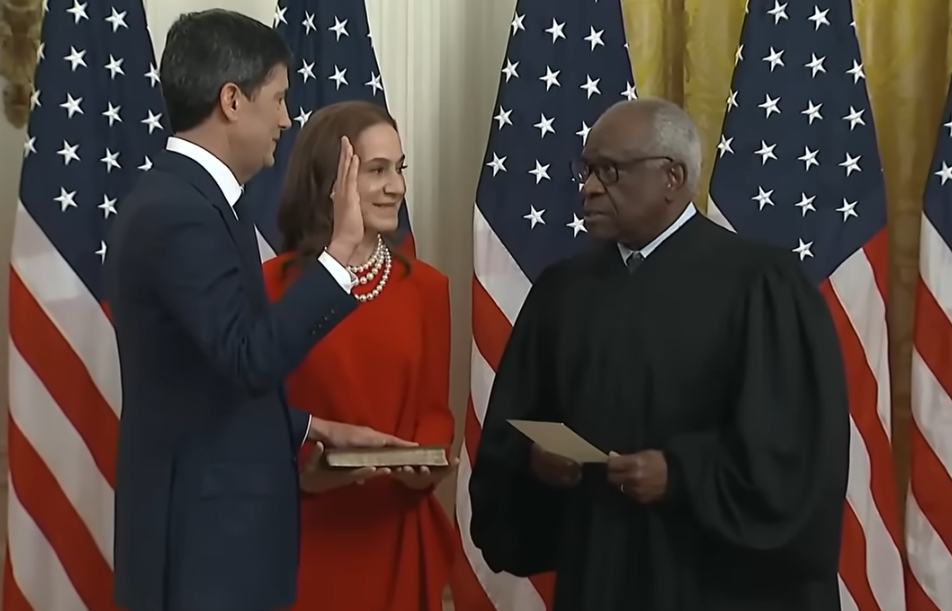
The United States economy entered a new phase in May 2026 as Kevin Warsh officially became chairman of the Federal Reserve following a narrow Senate confirmation. His appointment came during the second administration of Donald Trump, whose aggressive economic agenda has already reshaped the nation’s financial direction since January 2025.
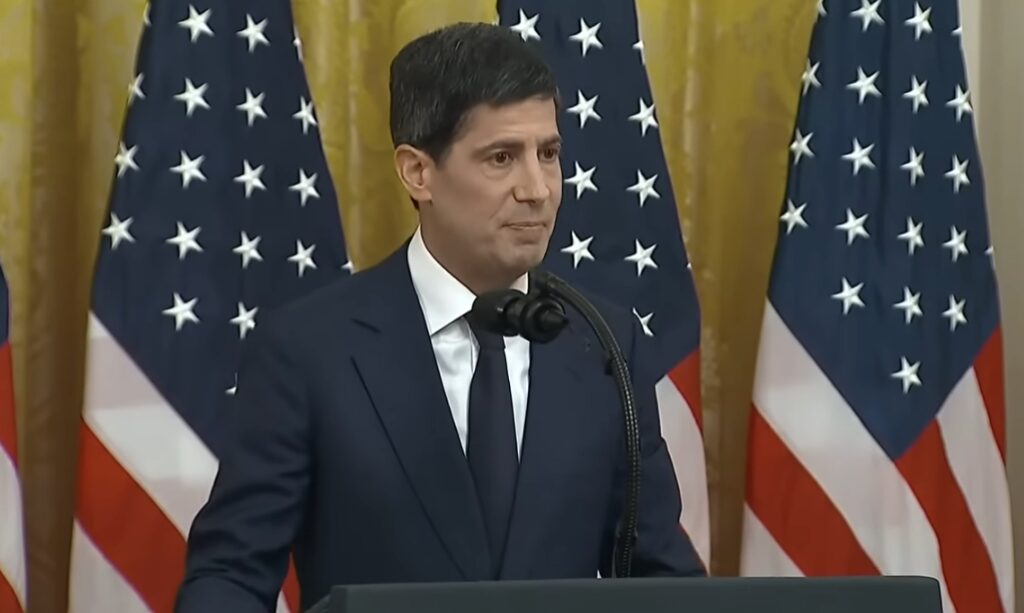
Warsh replaces Jerome Powell at a time when inflation, business investment, artificial intelligence expansion, and global tensions dominate economic discussions. The transition signals more than a leadership change at the Fed; it reflects a broader shift toward tighter monetary discipline, pro-growth reforms, and renewed emphasis on American productivity. For millions of Americans, the outcome of this transition could determine borrowing costs, job opportunities, and long-term financial stability.
Kevin Warsh’s Financial Experience Shapes His Leadership Vision
Before assuming leadership at the Federal Reserve, Kevin Warsh built a reputation through his experience at Morgan Stanley and his role during the 2008 financial crisis as one of the youngest Federal Reserve governors in history. His return to the central bank under President Trump has generated strong reactions across political and financial circles.
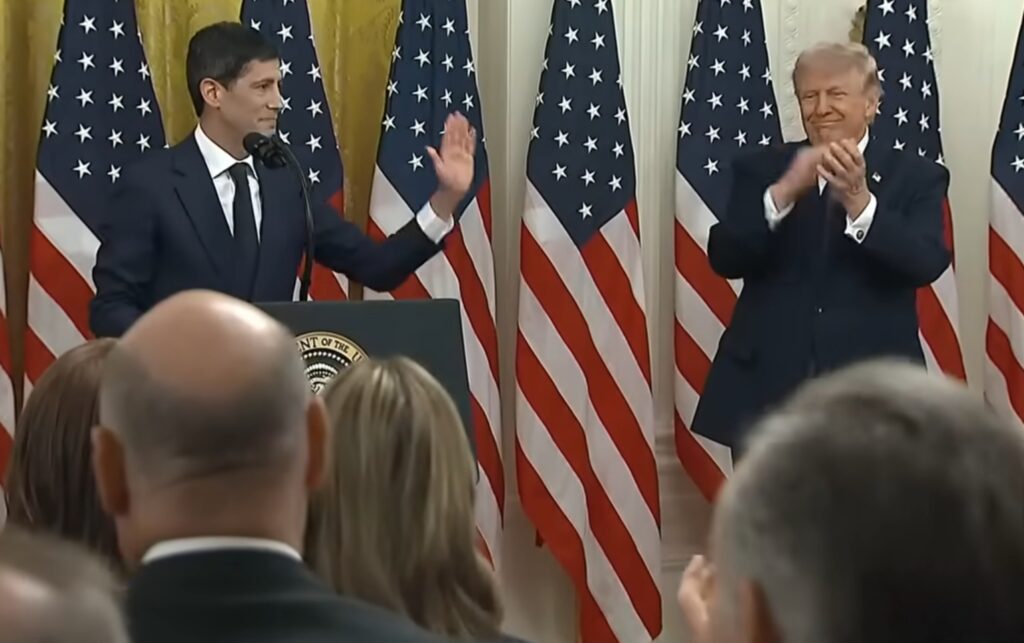
Supporters view Warsh as a reform-minded economist capable of restoring confidence and reducing inflationary pressures, while critics fear political influence could threaten the Fed’s independence. During his confirmation hearings, Warsh emphasised commitment to price stability, maximum employment, and innovation-driven growth. He also expressed support for emerging technologies such as fintech and cryptocurrency, positioning the Federal Reserve to adapt to the rapidly evolving digital economy.
Economic Growth Accelerates During Trump’s Second Administration
Since President Trump returned to office in 2025, the U.S. economy has experienced notable expansion despite several underlying challenges. Economic growth accelerated during 2025, with strong GDP performance driven by tax relief, deregulation, increased energy production, and rising private-sector investment. Artificial intelligence industries, manufacturing expansion, and domestic energy initiatives have all contributed to stronger business confidence nationwide.
Although growth temporarily slowed because of political disputes and government shutdown concerns, forecasts for 2026 remain positive. Many economists believe the administration’s “America First” policies have strengthened industrial competitiveness and encouraged corporate investment, helping the economy maintain resilience even amid geopolitical uncertainty and trade disruptions.
The U.S. Labor Market Shows Strength Amid Rising Costs
The labor market has also demonstrated relative stability under the current administration, with unemployment remaining near historically low levels. However, hiring patterns have become uneven across sectors due to immigration restrictions, labor shortages, and changing economic priorities.
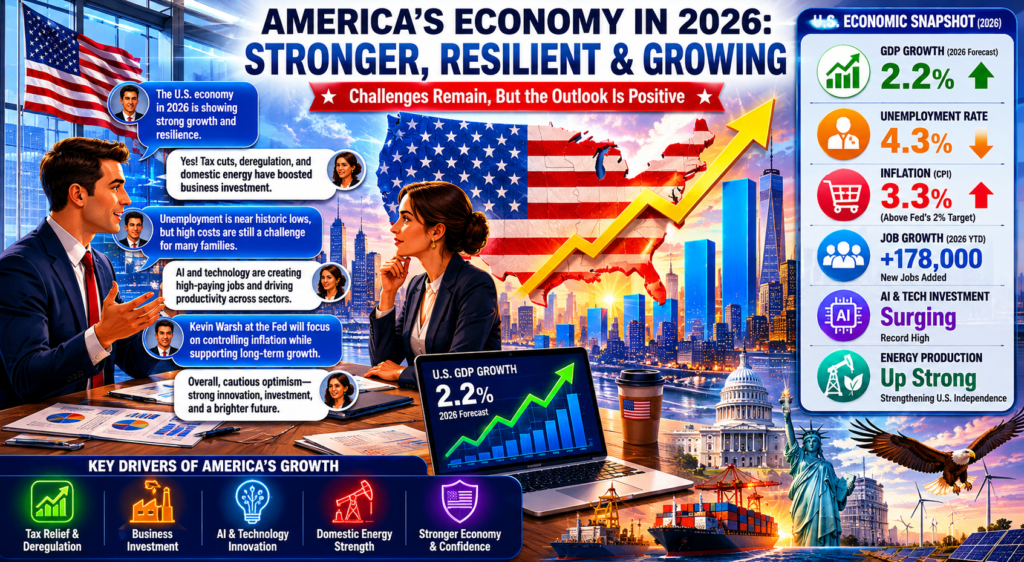
Technology and AI-related industries continue to expand rapidly, creating high-paying jobs and attracting investment, while traditional small businesses face rising operating costs. Wage growth has improved in many sectors, but inflation continues to reduce household purchasing power for many families. Americans still face higher costs for housing, healthcare, groceries, and transportation, making affordability one of the most significant economic concerns despite positive employment trends and increased business activity.
Inflation Challenges Drive Warsh’s Monetary Policy Strategy
Inflation remains the greatest challenge facing both the Trump administration and the new Federal Reserve leadership. Rising energy prices linked to Middle East tensions, supply chain pressures, and tariffs have pushed inflation above the Federal Reserve’s long-term target. Kevin Warsh is expected to adopt a disciplined approach toward inflation management while remaining open to moderate interest rate cuts if economic conditions improve.
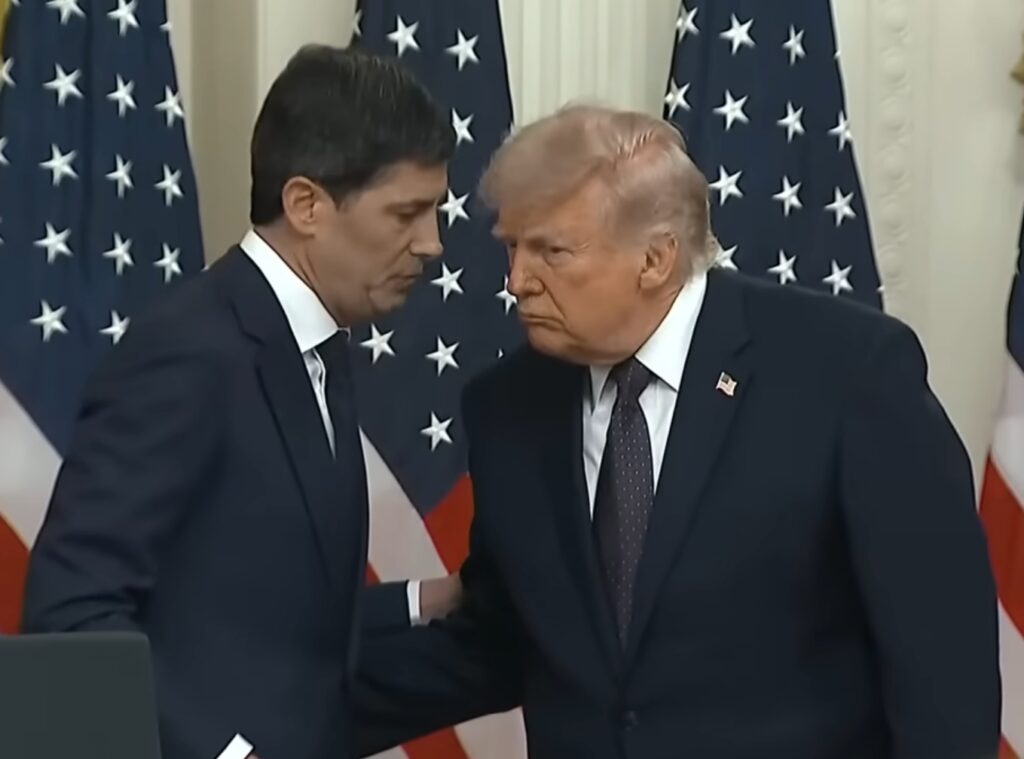
Analysts describe him as a traditional inflation hawk who believes excessive monetary stimulus contributed to recent price surges. At the same time, Warsh argues that advances in artificial intelligence and productivity growth could reduce inflationary pressures over time, potentially allowing the economy to expand without overheating. His strategy will likely focus on balancing growth with long-term financial stability.
America Faces a Defining Economic Future Under New Leadership
As the Warsh era begins, the United States stands at a defining economic moment shaped by innovation, political reform, and global uncertainty. President Trump’s second-term policies have fueled investment, strengthened domestic energy production, and accelerated technological development, yet inflation and trade tensions continue to create risks for households and businesses alike.
https://www.youtube.com/watch?v=fCU2SCUhtT0
Kevin Warsh now faces the difficult task of preserving Federal Reserve independence while guiding the economy through rapid transformation. Americans will closely watch whether his leadership can sustain economic growth, stabilize prices, and support broader prosperity in the years ahead. The coming months are expected to play a critical role in determining whether the nation’s current economic experiment delivers lasting success or deeper financial challenges.