



US Military Strikes On Iran After Diplomatic Negotiations Collapse
Executive Summary
As of mid-July 2026, the United States is in its second week of renewed air and naval operations against Iran, following the collapse of a fragile June ceasefire. U.S. Central Command has conducted successive nightly waves of strikes on Iranian military, coastal, and energy-related targets, while Iran has retaliated against U.S. bases and shipping across the Gulf.
The reimposition of a U.S. naval blockade on Iranian ports, coupled with attacks on tankers in the Strait of Hormuz, has pushed oil prices sharply higher and reopened questions about a wider regional war. This is not a new conflict but the third major flashpoint in an escalation that began in February 2026, making the current phase significant both for its intensity and for what it signals about the durability of great-power diplomacy in the region.
Background
U.S.-Iran hostility traces back decades, through the 1979 hostage crisis, the 2015 nuclear deal and its 2018 collapse, and years of proxy confrontation across Iraq, Syria, Lebanon, and Yemen. The current war began on February 28, 2026, when the U.S. and Israel launched coordinated strikes on Iranian nuclear and military infrastructure amid ongoing negotiations, an operation that also killed Supreme Leader Ali Khamenei. Subsequent months saw intermittent fighting, a partial ceasefire, and a June memorandum of understanding intended to reopen the Strait of Hormuz and de-escalate hostilities.
Breakdown of Failed Negotiations
The June arrangement never fully held. Iran continued efforts to assert control over shipping in the Strait of Hormuz, reportedly seeking to impose transit fees and enforce its own navigation protocols terms Washington and Gulf states rejected as a challenge to freedom of navigation.
Iranian officials maintain that the United States violated the ceasefire “from its inception,” while Washington accused Tehran of attacking commercial vessels. By early July, both sides had abandoned talks; Iran’s foreign ministry has stated it currently has no plans to negotiate.
U.S. Military Action
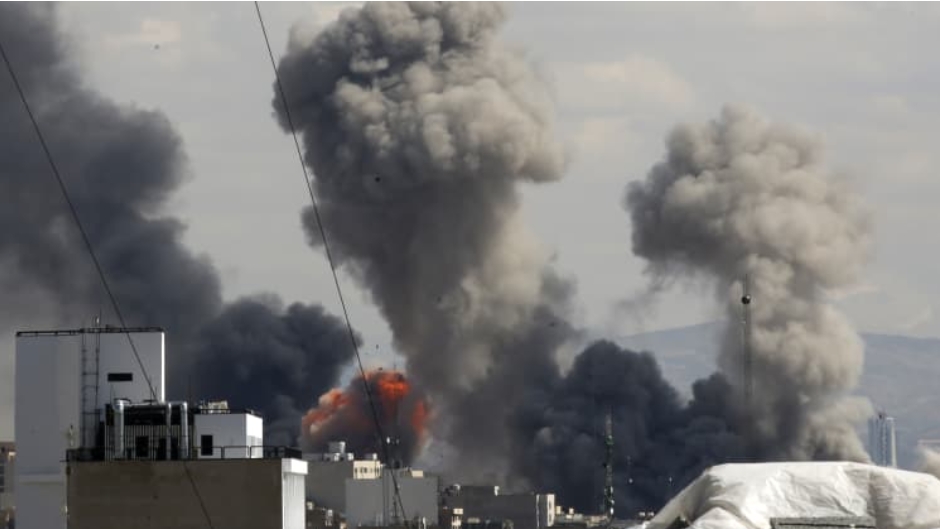
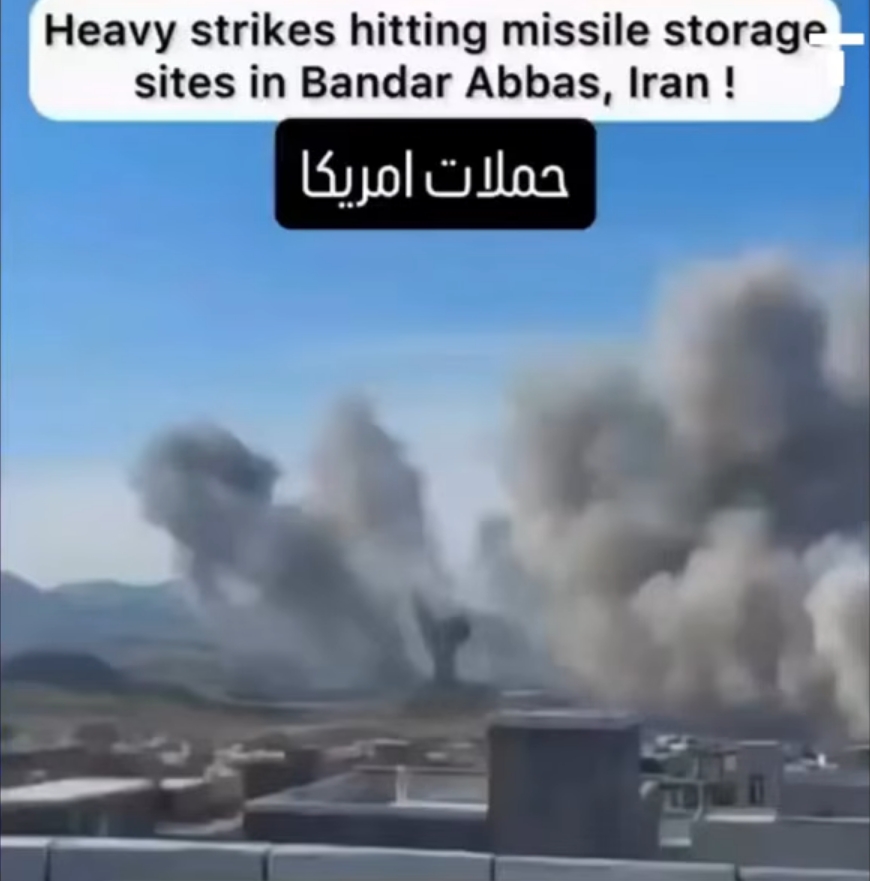
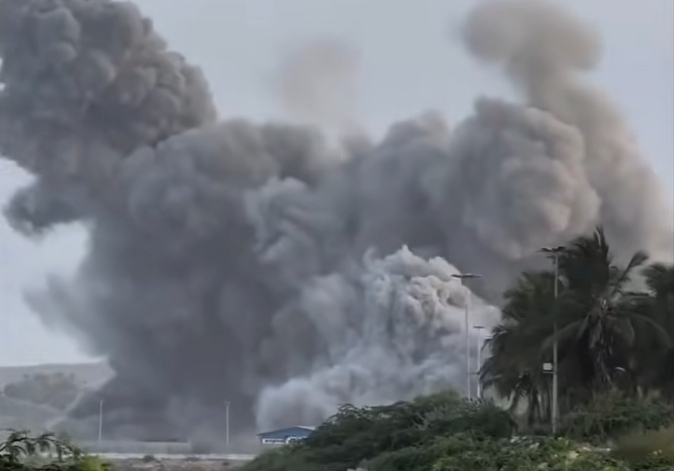
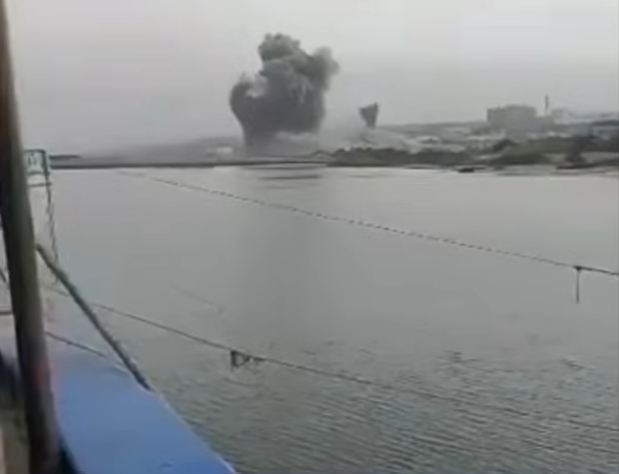
President Trump has directed CENTCOM to conduct consecutive nights of strikes reportedly hitting hundreds of targets, including coastal defenses, missile and drone sites, and command centers, concentrated in Iran’s southern provinces near Bushehr, Bandar Abbas, and the Strait.
The U.S. has reimposed a naval blockade on Iranian ports and floated additional pressure, including threats against energy infrastructure, citing the need to protect shipping and degrade Iran’s coastal strike capability.
Iran’s Response
Iran’s Revolutionary Guard has struck U.S. facilities in Bahrain, Kuwait, and Jordan, and has attacked tankers in the Strait, while threatening to close alternative export corridors used by U.S. allies. Tehran’s government has reported dozens of civilian and military deaths from the strikes and says it will keep responding “firmly,” rejecting talks unless Washington halts its campaign.
International Reactions
The UN Security Council has met repeatedly on the crisis; Russia and China have condemned U.S. and Israeli actions as unprovoked aggression while stopping short of military support for Tehran. The EU and NATO allies have called for restraint and protection of civilians, with some members, including Spain, resisting U.S. basing requests.
Israel has largely backed the campaign, though domestic polling suggests many Israelis view the broader war’s outcomes ambivalently. GCC states have condemned Iranian strikes on their territory as violations of sovereignty even as they urge de-escalation.
Economic and Energy Market Impact
Brent crude has surged more than 9% in a single session, touching multi-week highs near $85 a barrel, with WTI following closely. Shipping traffic through Hormuz, normally carrying roughly a fifth of global oil and gas flows has fallen sharply since the ceasefire’s collapse. Analysts warn of renewed inflationary pressure on energy-importing economies and volatility in equity and currency markets tied to Gulf risk.
Regional and Global Security Implications
The conflict has strained U.S. alliance management, tested Russia-China-Iran coordination, and raised fears that other regional powers could pursue nuclear hedging if diplomacy fails again. Non-state actors aligned with Iran, including groups in Iraq and Yemen, have signaled willingness to widen the confrontation.
Humanitarian Considerations
Iranian officials report civilian casualties and infrastructure damage in southern coastal areas; independent verification remains limited. Aid organizations have expressed concern over strained health systems and displacement in affected provinces, though comprehensive figures are not yet independently confirmed.
Future Scenarios
Experts outline three broad paths: a negotiated de-escalation restoring blockade-free shipping; a prolonged, lower-intensity war of attrition around the Strait; or a wider regional conflagration drawing in Gulf states and non-state actors. Much depends on whether Gulf-mediated diplomacy led by Oman, can be revived before further casualties harden both sides’ positions.
Conclusion
The renewed U.S.-Iran confrontation underscores how fragile ceasefires in this conflict have proven, and how deeply the Strait of Hormuz dispute is now entangled with broader questions of sovereignty, energy security, and nuclear non-proliferation. Absent a diplomatic breakthrough, continued escalation appears more likely than a quick return to talks.