


Nigeria Clears Path to State Police in Historic Break From Single National Force (continued) Part 2 of 2

Supporters’ Views
The Nigeria Governors’ Forum has pressed for the reform for years, arguing federalism is incompatible with policing “controlled exclusively from Abuja,” and citing outfits like Amotekun as evidence of unmet local demand. Ogun State Governor Dapo Abiodun, who chairs the forum’s committee on the issue, has predicted unanimous ratification by the 36 assemblies. Borno South Senator Ali Ndume, from a region devastated by insurgency, said the force is simply undersized: “The number of police officers we currently have is far from adequate” for Nigeria’s population.
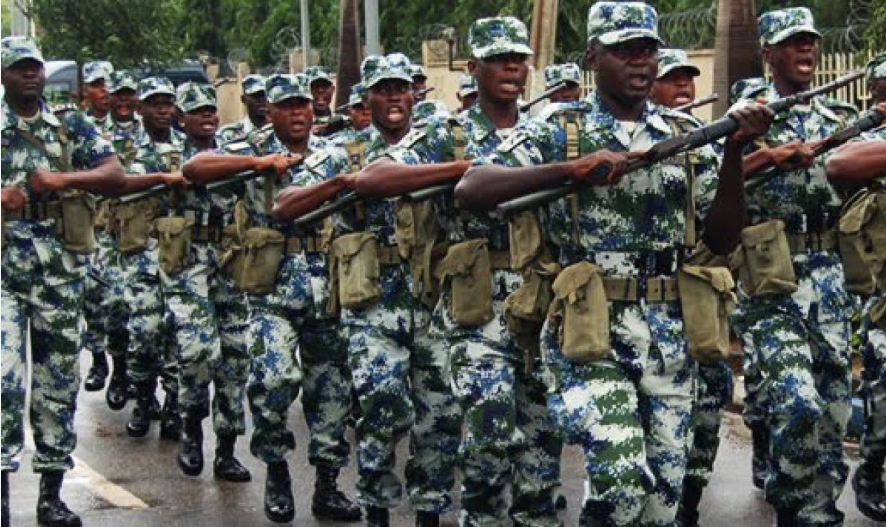
Amotekun commanders in the South-West have gone further, calling state policing “the only viable solution to insecurity” where federal response times have long been a complaint. Some business commentators argue improved local security could help attract investment currently deterred by kidnapping risk along commercial corridors.
Critics’ Concerns
Opposition figures warn the bill’s timing, a year ahead of elections expected in 2027, is politically fraught. Former Vice President Atiku Abubakar cautioned that “reforms of this magnitude must be clearly insulated from partisan influence,” while former minister Solomon Dalung dismissed the bill’s passage as “a political ploy to deceive Nigerians ahead of the 2027 election.” Anxiety intensified after Ebonyi Governor Francis Nwifuru was quoted vowing to “consume and destroy” opponents, a remark critics cited as evidence armed state forces could be misused.
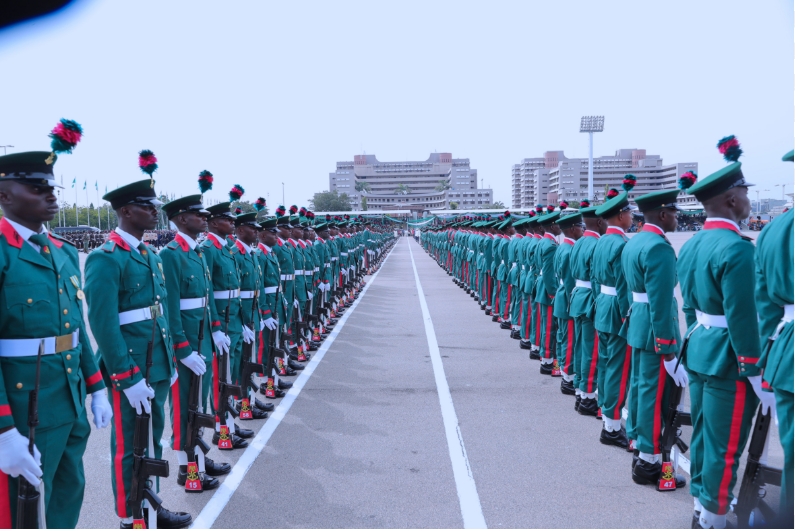
Analysts also point to Nigeria’s First Republic, when regional police allegedly enabled “political interference, abuse of power and suppression of opposition” before military centralization in 1966 — a precedent proponents say the new commissions and intervention clauses are designed to prevent. Additional concerns center on funding disparities between states, jurisdictional overlap, and the risk that under-resourced forces become vehicles for extortion rather than protection.

Nigeria’s reform draws it closer to the norm among federal democracies. In the United States, roughly 18,000 separate state, county and municipal agencies operate with minimal federal oversight, maximizing local responsiveness but producing wide disparities in training and accountability. Germany offers a model Nigerian reformers cite approvingly: each of the 16 Länder runs its own force, but a federal framework law and the Bundeskriminalamt enforce national standards, echoing Nigeria’s minimum-standards clause.

Australia’s eight state and territory forces operate with full autonomy and high public trust, while a narrower federal agency handles national security. Canada uses a hybrid, with the federal Royal Canadian Mounted Police contracting provincial policing in most provinces, while Ontario and Quebec maintain independent forces. India and Brazil illustrate the risks critics cite most: analysts have documented political interference in Indian state police appointments, while Brazil’s state forces face persistent criticism over lethality and weak oversight, cautionary examples officials say informed the bill’s safeguards.
Potential Economic and Social Impact
Proponents argue improved local security could bolster investor confidence in regions where kidnapping and banditry have disrupted farming, mining and logistics, while critics note the reform’s near-term fiscal burden could strain state budgets already stretched by civil-service payrolls. A Businessday analysis estimated startup costs alone, training, uniforms and basic equipment at roughly 50 billion naira for a 15,000-officer force in a state of 5 million people, scaling to nearly 98 billion naira for larger states, with recurring annual personnel costs running into billions more.

Supporters counter that recruitment could create substantial employment for unemployed youth and rebuild trust eroded by federal police’s distant, under-resourced rural presence. Success will hinge on whether wealthier and poorer states can achieve comparable service quality, given warnings that underfunded forces could deepen regional disparities rather than narrow them.
Implementation Challenges
Officials and analysts identify several hurdles: securing ratification from 24 state assemblies; finalizing minimum national standards before any state can stand up a force; building training academies and command infrastructure largely from scratch; recruiting and vetting officers to NPF-comparable standards; and establishing interoperable communications to close jurisdictional gaps criminals could exploit. Legal challenges are also possible, given unresolved questions about interstate crime response. Above all, public confidence, particularly in states with a history of politicized security agencies — will need to be earned through demonstrated restraint by the earliest forces to launch.

Timeline
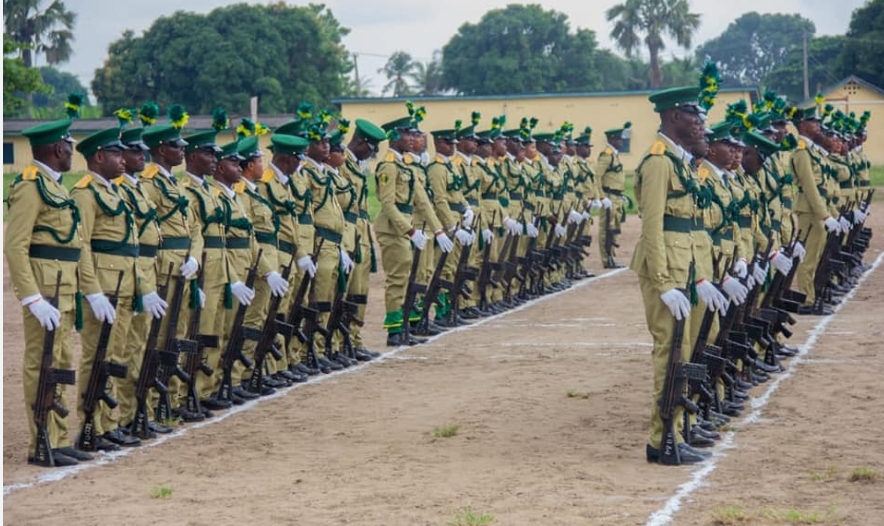
Debate over state police dates to the 2014 National Conference; a 2020 attempt stalled. Tinubu formally transmitted the amendment bill to the Senate in June 2026. The House passed it 289–1 on June 11, and the Senate passed its version on June 24, praised by Tinubu allies as a “major victory” for his security agenda. On July 8, Tinubu inaugurated the Gbajabiamila-led Presidential Working Group to draft implementing legislation concurrently with ratification. Ratification by 24 state assemblies and presidential assent remain outstanding, with no binding date set, though Governor Abiodun has predicted unanimous approval. Recruitment and rollout in early-adopter states would follow, with analysts recommending a phased, regionally staggered launch over a simultaneous national start.
Public Reactions
Reaction has split along familiar lines. Many citizens in banditry- and kidnapping-affected states have welcomed the news, with Amotekun commanders and northern lawmakers framing it as overdue. Civil society and legal voices have offered qualified support paired with calls for stronger safeguards, while opposition figures have voiced open skepticism about timing and intent. On social media, discussion has ranged from cautious optimism about faster emergency response to anxiety, amplified by Governor Nwifuru’s remarks, about arming state governments ahead of a competitive election cycle. Security professionals have welcomed the added capacity but stressed, echoing Senator Bamidele, that reform alone will not resolve Nigeria’s security crisis absent parallel investment in economic opportunity.
Conclusion
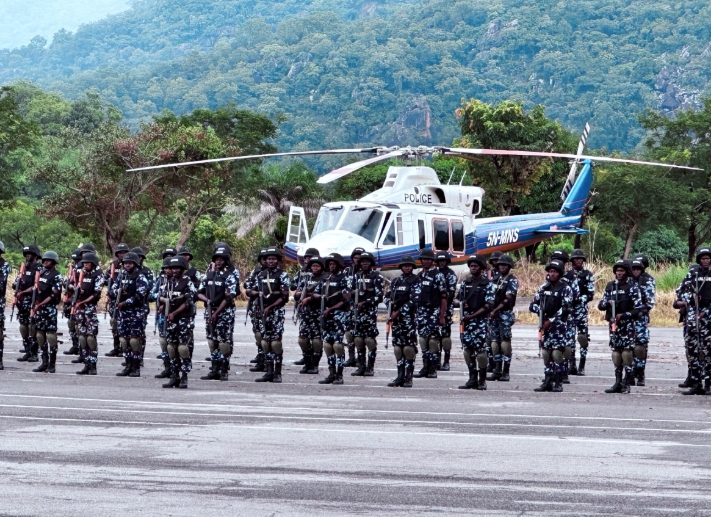
The passage of Nigeria’s State Police (Constitution Amendment) Bill marks the most significant restructuring of the country’s security architecture since military rule centralized policing six decades ago. Its significance remains provisional: the amendment does not take effect until ratified by state legislatures and signed into law, and the Presidential Working Group’s implementing legislation covering funding formulas, readiness certification, and accountability has yet to be finalized. Whether the reform strengthens community safety or, as critics fear, hands new tools to political actors will depend less on the text lawmakers approved in June than on the safeguards and oversight built into the implementation still to come.