


Victory Triggers Chaos in Paris
Victory Meets Violence in the Streets
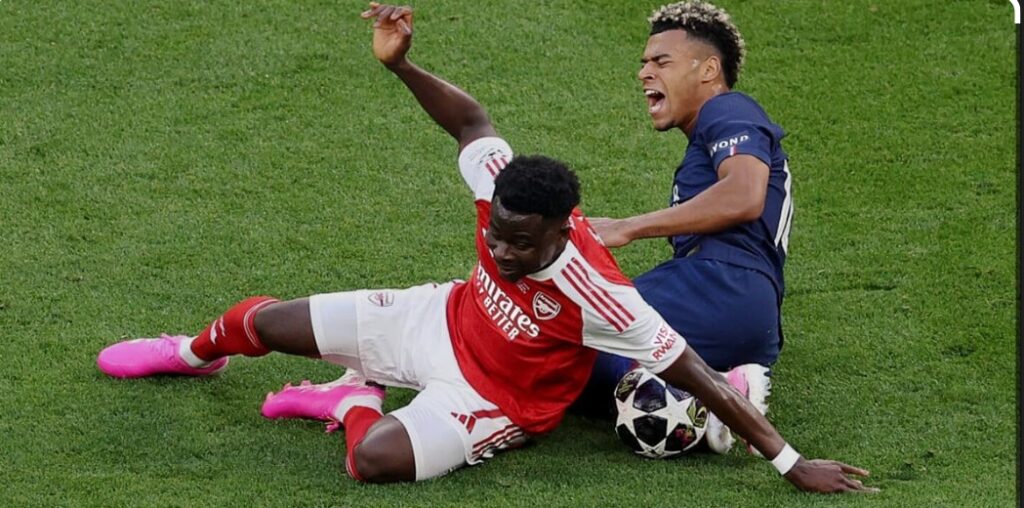
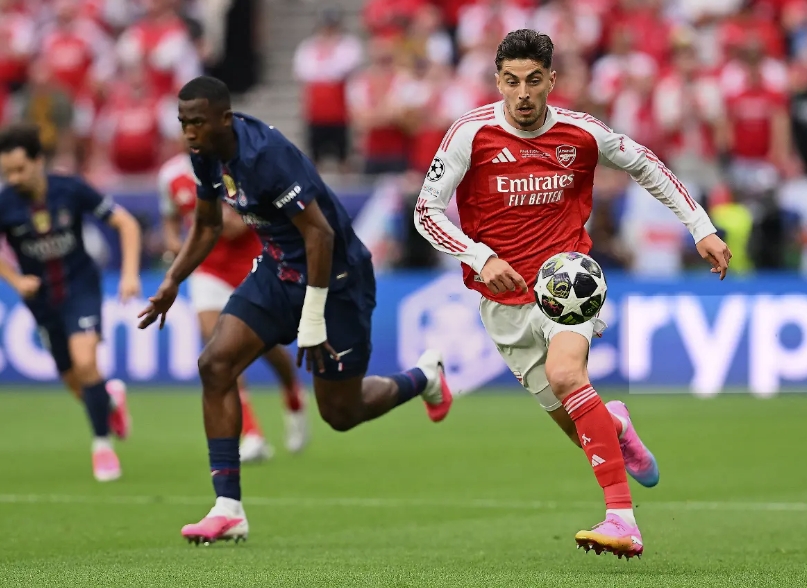
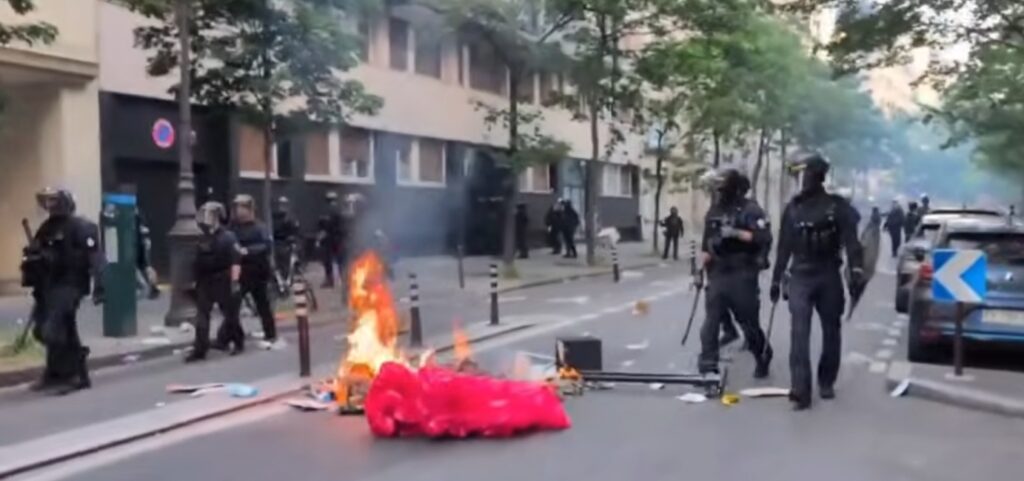
Paris witnessed significant unrest following Paris Saint-Germain’s penalty shootout win against Arsenal in the Champions League final. Crowds clashed with police in central areas, with reports of torched cars and confrontations near landmarks like the Eiffel Tower. This disorder began even before the match concluded, highlighting a recurring issue in the city. Authorities deployed riot police and made dozens of arrests to restore order.
A Longstanding Parisian Tradition
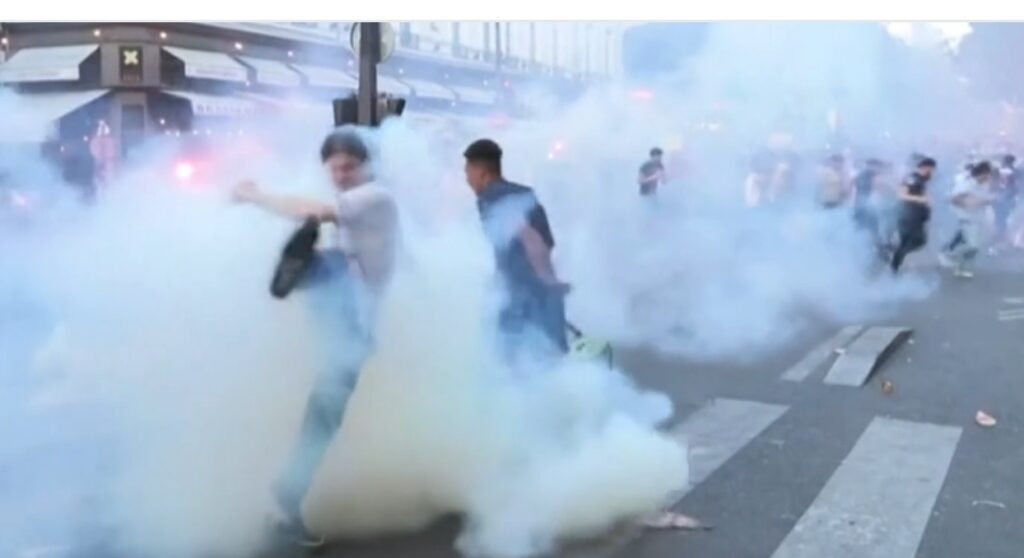
The events reflect more than a one-off reaction to a football result. Observers note that Paris has a historical pattern of public disorder tied to its revolutionary past and a culture that sometimes embraces chaotic expression. This tendency predates modern migration waves and appears across diverse groups within the city. Local businesses boarded up shops in anticipation, showing how expected these incidents have become for residents.
Security Challenges and Police Response
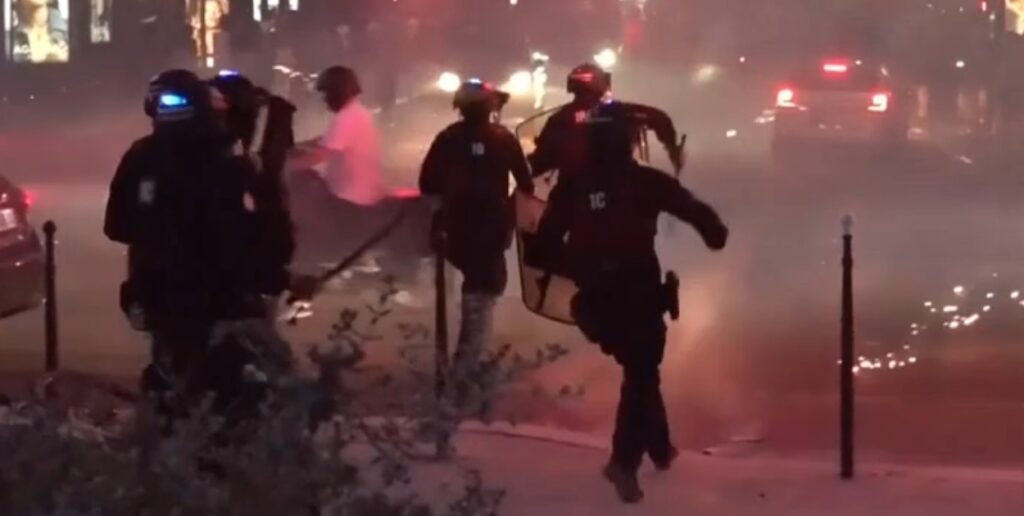
French police urged citizens to avoid central Paris as clashes continued. Officers faced thrown objects while attempting to disperse crowds and protect property. While arrests occurred, critics argue that addressing root causes remains difficult because the behavior involves broader societal elements rather than isolated individuals. This puts ongoing pressure on law enforcement resources and public safety planning.
Social and Cultural Layers Exposed
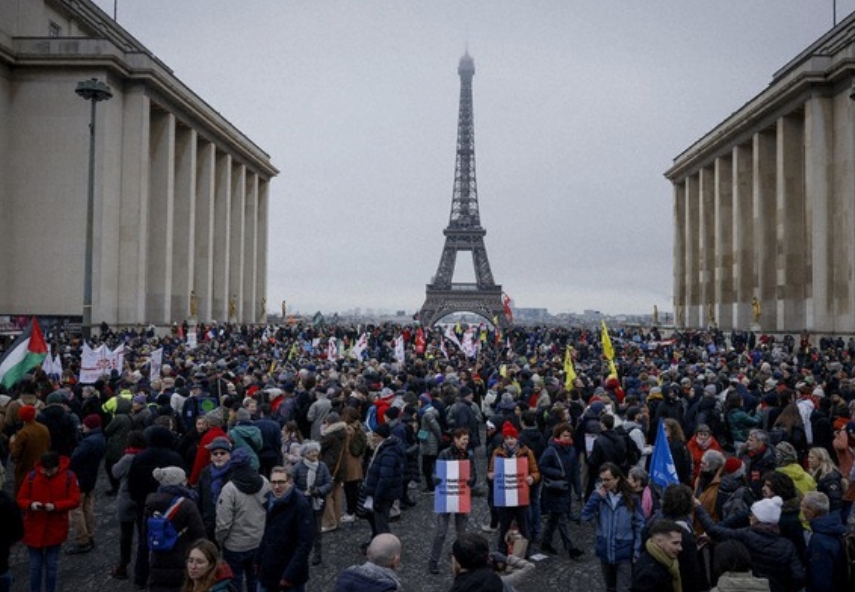
The unrest reveals complex social dynamics in contemporary Paris. While some participants displayed diverse backgrounds, including North African heritage, the city’s own history of street actions plays a central role. Commentators point out that both native Parisians and newer communities participate, complicating simple explanations. This mix raises questions about integration, identity, and how liberty is practiced in daily French life.
Political and Economic Ripple Effects
Such repeated disturbances carry costs for tourism, local businesses, and France’s international image. Politically, they test government approaches to maintaining order while respecting cultural freedoms. Economic impacts hit shops and services hardest during these outbreaks. Leaders face pressure to balance security needs with avoiding heavy-handed measures that could spark further tensions in an already diverse society.
Toward Constructive Solutions
Addressing Paris’s recurring unrest requires honest dialogue about cultural attitudes toward authority and public space. Investing in community programs that channel energy into positive celebrations could help. Stronger enforcement against violence, paired with education on civic responsibility, offers a path forward. Ultimately, France must confront these patterns to preserve both its vibrant spirit and public safety for all residents. https://www.youtube.com/watch?v=8mmylwJ6qMU