

Senegal’s Faye and Sonko Former Allies Now Rivals
The Rise of an Unlikely Alliance
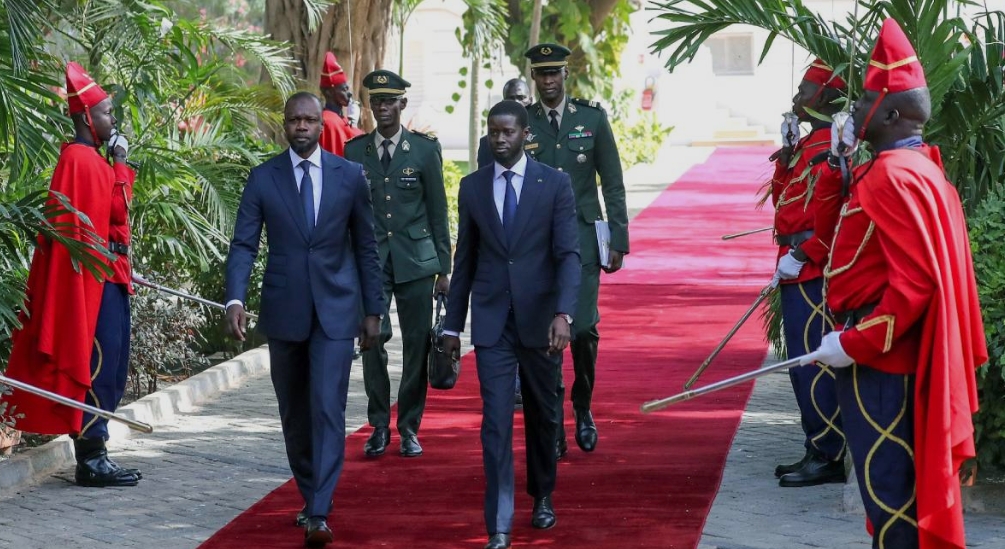
The partnership of Ousmane Sonko and Bassirou Diomaye Faye, both former tax inspectors and union activists, led to the co-founding of the PASTEF party focused on ethics and anti-corruption. Their bond strengthened through shared imprisonment under ex-President Macky Sall.
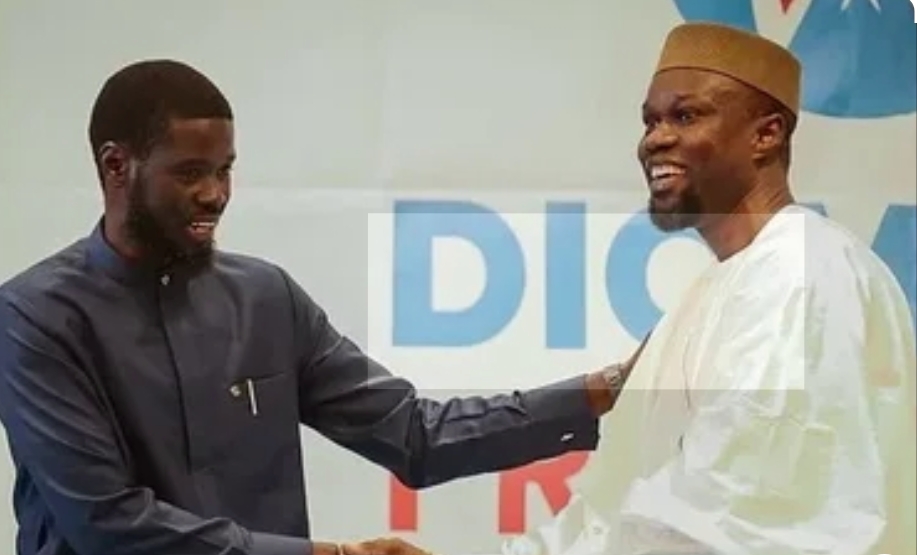
As Sonko faced legal challenges preventing him from running in the 2024 presidential election, he designated Faye as his proxy with the motto “Diomaye is Sonko.” This approach resulted in Faye’s electoral victory, and he subsequently appointed Sonko as prime minister, signaling a commitment to sovereignty and reform.
Ideological Cracks Emerge
Differences in governance emerged after Sonko and Faye took power. Sonko favored radical changes, opposing French influence and the CFA franc system while implementing strict anti-corruption measures and resisting IMF debt restructuring.
In contrast, Faye adopted a pragmatic approach with gradual reforms and continued international dialogue, leading to tensions over economic policy and foreign relations amidst Senegal’s high debt levels, reaching 132% of GDP.
Power Dynamics and Party Control
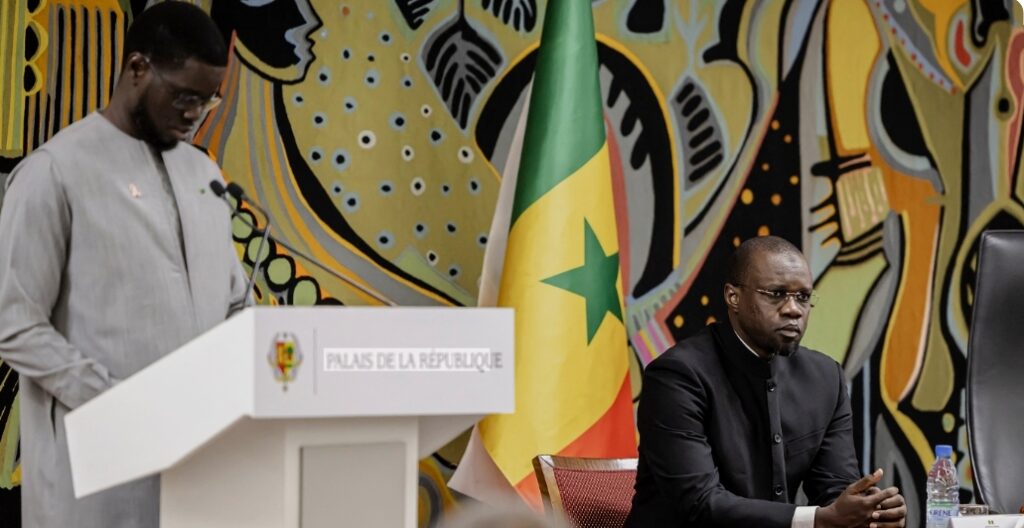
Tensions escalated over authority within PASTEF and the government. Sonko, as party leader, expected significant influence, while Faye asserted presidential independence. Public disagreements arose, with Sonko criticizing perceived leadership failures and threatening to withdraw PASTEF to opposition if the government strayed from core principles.
Faye countered by warning against the “excessive personalization” of the party. Questions about who truly held power and the direction of the 2029 succession strained their once-brotherly relationship, which had even led Faye to name a son after Sonko.
The Breaking Point: Economic Pressures
A major debt crisis and stalled IMF talks intensified the rift. Senegal uncovered hidden debts from the previous administration, complicating finances. Sonko opposed concessions that might involve austerity, prioritizing populist resistance.
Faye prioritized stabilizing the economy through pragmatic engagement. After months of simmering disputes, including public criticisms, President Faye issued a decree on May 22, 2026, dismissing Sonko and dissolving the government, citing constitutional authority.
Betrayal or Political Maturity?
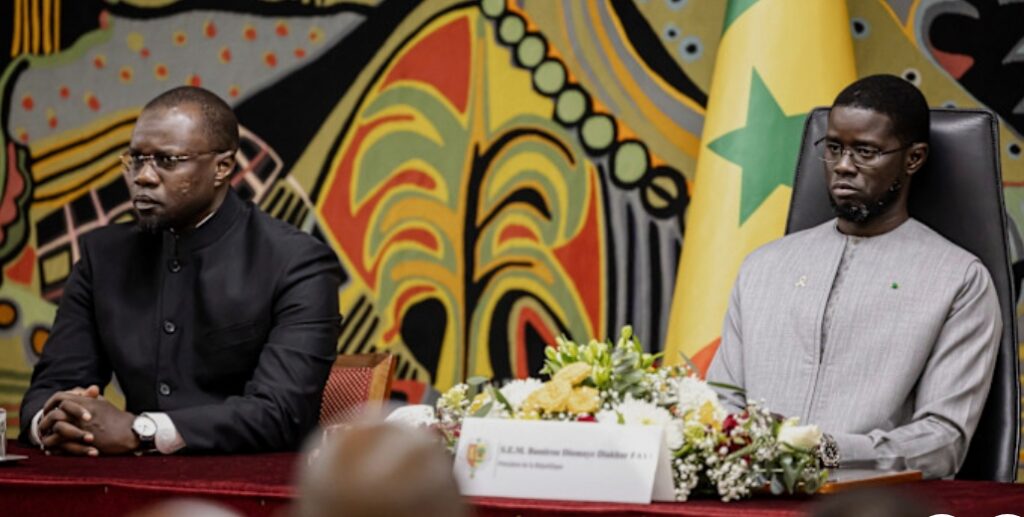
The dismissal echoes historical African cases where revolutionary alliances fracture under governance realities. Supporters of Sonko viewed it as betrayal of the anti-establishment mandate, while Faye’s camp saw it as necessary for effective leadership.
Sonko responded calmly, stating he would “sleep with a light heart,” and many expect him to reposition strongly, possibly as National Assembly speaker, eyeing future contests. The split highlights how shared opposition struggles often mask differing visions once power is attained.
Lessons on Power and Trust
This conflict illustrates the corrosive effect of power on personal friendships in politics. What began as a mentor-protégé bond dissolved amid ideological divides on sovereignty, economics, and authority.
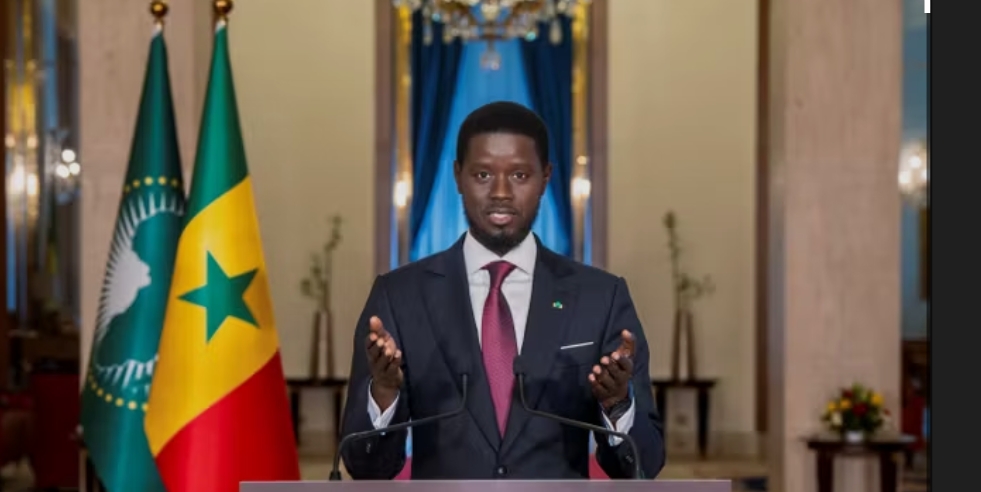
It raises questions about loyalty versus national interest in young democracies. As Senegal navigates debt challenges and prepares for 2029 elections, the Faye-Sonko rupture may redefine PASTEF and test the resilience of their 2024 revolutionary mandate.