
Iran: Who Really Calls the Shots After Khamenei’s Death?
Political Power Dynamics
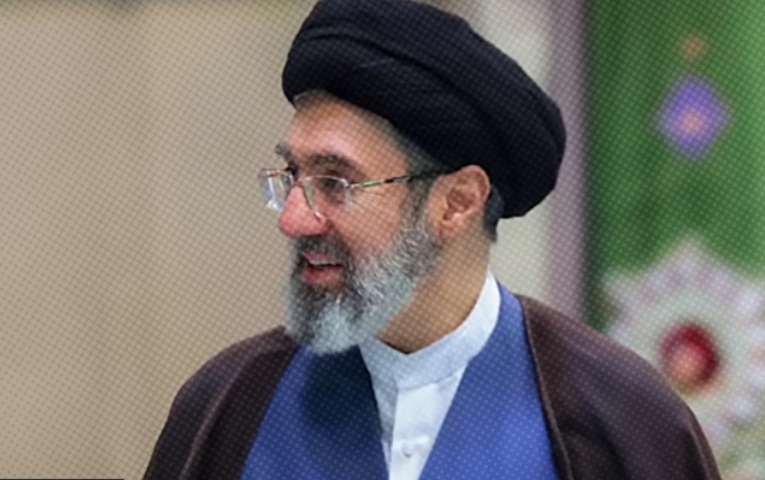
Iran’s political landscape has changed dramatically since the assassination of long-time Supreme Leader Ayatollah Ali Khamenei in early 2026. His son, Mojtaba Khamenei, quickly took over as the new Supreme Leader with support from the Assembly of Experts. Yet observers note that Mojtaba lacks the unchallenged authority his father once held.
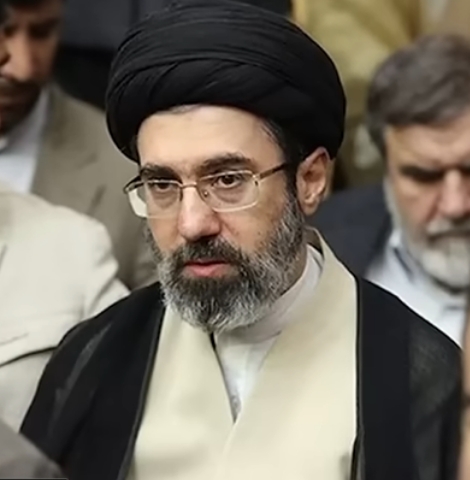
An interim council briefly stepped in, featuring President Masoud Pezeshkian, Chief Justice Gholam-Hossein Mohseni-Eje’i, and cleric Alireza Arafi. Today, decision-making appears more collective and consensus-driven among security elites. This shift highlights a move away from one dominant figure toward a broader hardline coalition managing both war efforts and internal rivalries.
The IRGC’s Dominant Influence
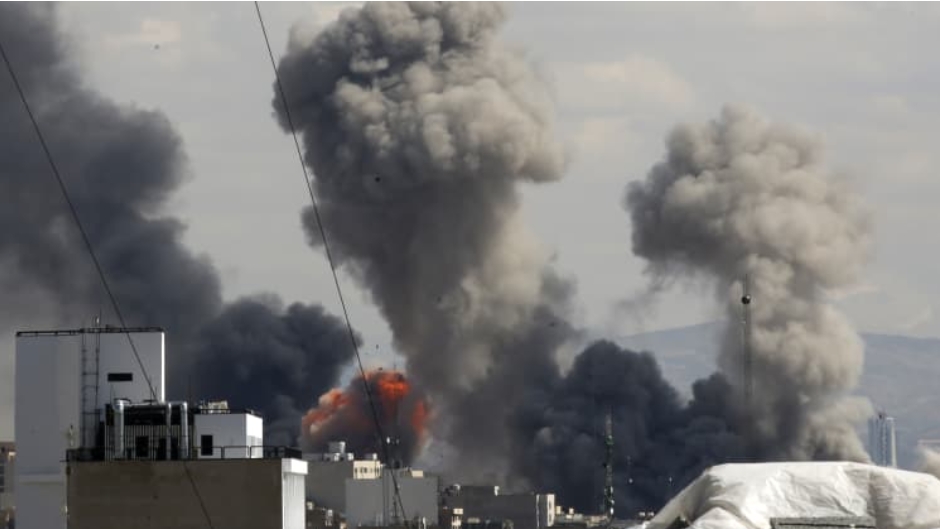
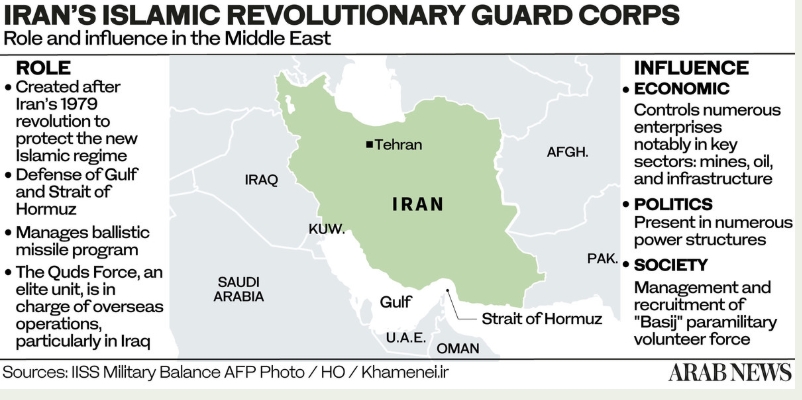
The Islamic Revolutionary Guard Corps (IRGC) has emerged as the central force in Iran’s current power structure. The IRGC filled the vacuum left by the deaths of key military and civilian leaders in U.S.-Israeli strikes.
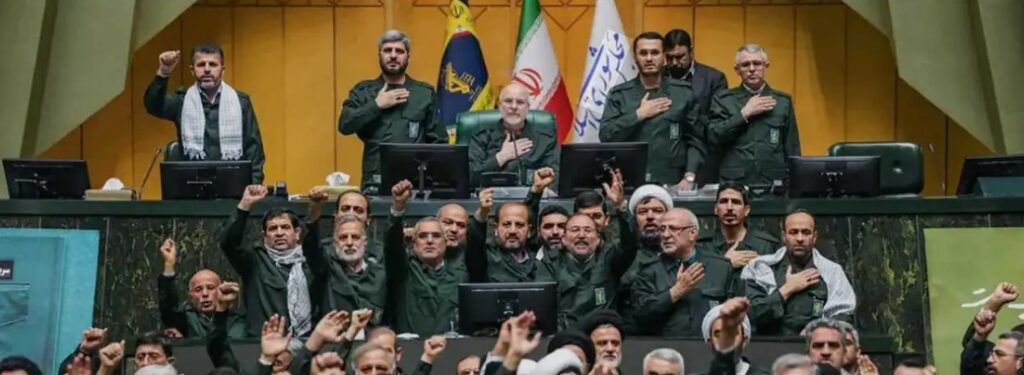
Commander Ahmad Vahidi now plays a pivotal role, often directing strategic choices alongside figures like Parliament Speaker Mohammad Bagher Ghalibaf and Mohammad Bagher Zolghadr, who heads the Supreme National Security Council. Reports indicate the IRGC blocks certain presidential moves and maintains a security cordon around Mojtaba Khamenei. This military tilt sidelines more pragmatic voices and prioritises hardliners’ stances on security and negotiations.
Economic and Social Pressures
Iran faces severe economic strain from ongoing sanctions, war damage, and high inflation that exceeds 40 per cent in recent periods. Food prices have surged dramatically, hitting ordinary citizens hard and sparking widespread protests in late 2025 that continued into 2026.
The regime responded with subsidies and crackdowns, yet public discontent grows amid currency devaluation and infrastructure losses. Socially, these challenges deepen divisions between a young, frustrated population and the ruling establishment. Security forces have used force to contain unrest, raising human rights concerns while the economy continues to contract, which exacerbates the already tense situation and may lead to further protests if not addressed effectively.
Path Forward and Potential Solutions
Iran’s leadership must address internal fractures in order to stabilise the country. A balanced approach could involve greater dialogue between IRGC hardliners and elected officials like President Pezeshkian to ease economic hardships. Lifting or easing sanctions through credible negotiations might help revive trade and reduce inflation.
Domestically, allowing limited reforms on subsidies and protest rights could rebuild public trust without undermining core institutions, such as the judiciary and local governments, which are essential for maintaining stability and governance. Ultimately, fostering consensus among conflicting groups offers the best chance to navigate war recovery, security threats, and social demands while avoiding deeper instability.