





Palm Sunday Killings in Nigeria What is the Security Doing?
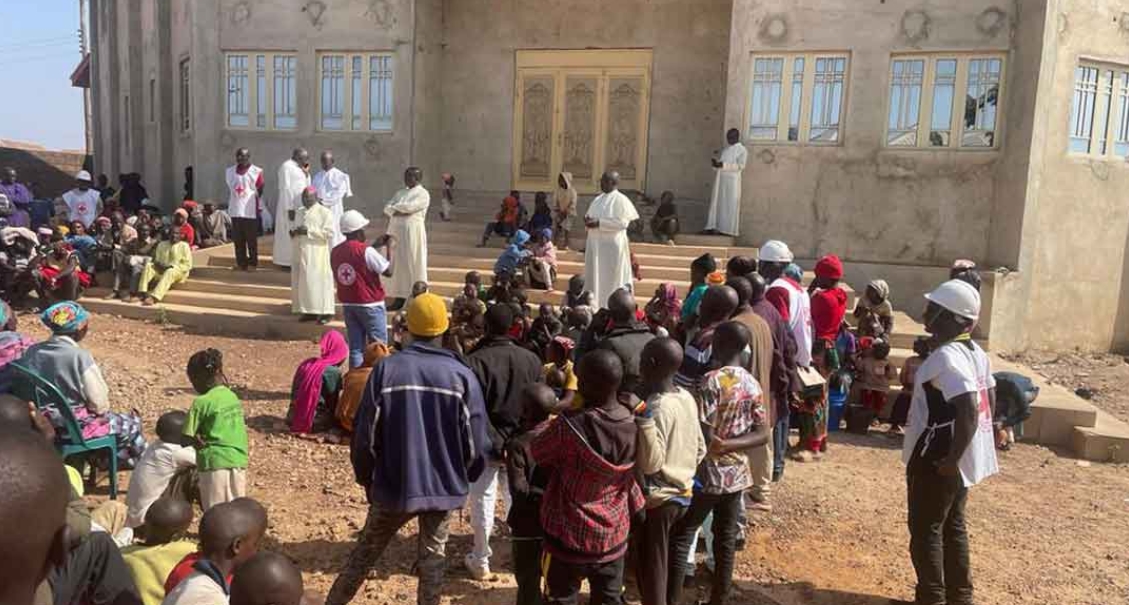
Palm Sunday Tragedy in Jos and Renewed Fear
The killing of Christians in Nigeria has received renewed global attention following the attacks on Palm Sunday, March 29–30, 2026, where gunmen targeted residents in Christian communities in Plateau State, resulting in numerous fatalities and destruction of homes.

Such attacks have occurred frequently during the Easter season in previous years, suggesting a disturbing and predictable pattern of violence against Christians in the region.
Kwara State Massacre and Expanding Violence
The violence is not limited to Plateau State alone. In February 2026, a major attack in Kwara State left more than 160 people dead after armed militants attacked villages, burned buildings, and kidnapped residents.
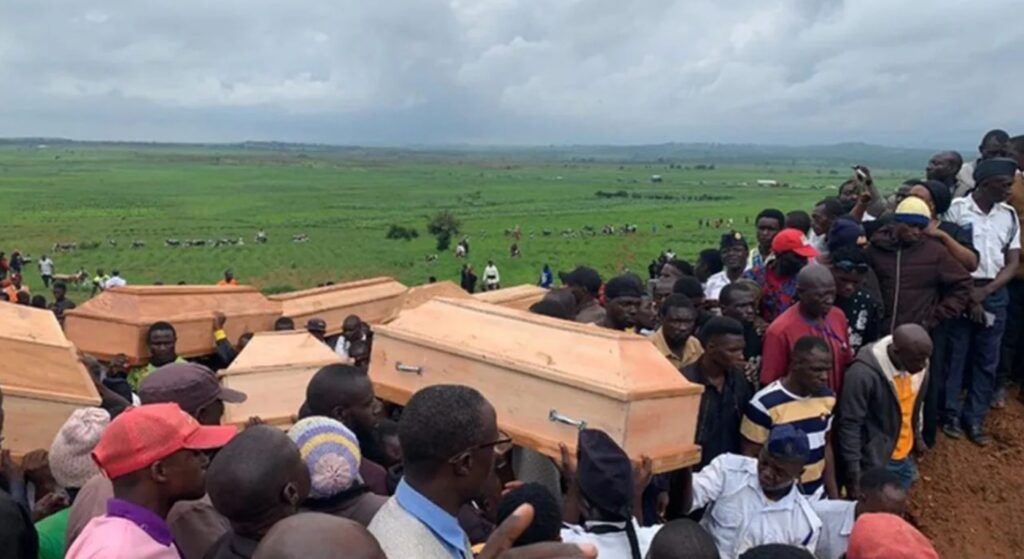
The attackers reportedly targeted communities after they rejected extremist demands. This attack showed that the insecurity is spreading to new regions, raising serious concerns about national security and the ability of authorities to protect rural communities.
Government Response and Public Frustration
Many Nigerians have expressed frustration regarding the slow arrival of security forces to a community been attacked by terrorists. This has sparked protests in affected regions, with residents demanding better protection and quicker intervention.

The public outcry intensified when President Tinubu’s brief airport visit to victims’ families of a recent massacre was perceived as distant and insensitive, as he met them in a lounge rather than in the community.

Likewise, the state governor addressed grieving victims from a bulletproof vehicle, which many citizens viewed as a lack of genuine sympathy and connection at a critical moment of need. Such actions have led to increased anger and disappointment among the populace.
A Pattern That Has Continued Over the Years
Looking back, the pattern becomes clearer and more disturbing. In April 2025, at least 54 Christians were killed after Palm Sunday celebrations in Plateau State, with over 100 homes destroyed and entire communities displaced.
Earlier attacks during Easter periods in previous years also left many dead and homeless. These events show that the violence is not isolated but part of a longer security crisis affecting several states in Nigeria’s Middle Belt and northern regions.
Security Challenges and Regional Factors
Security experts highlight the complexity of the crisis in Nigeria, involving Boko Haram, ISWAP, and armed bandits. These groups operate from forests and border regions associated with the Sahel conflict, complicating control efforts.

Analysts warn that the increase of extremist groups and weapons across borders exacerbates the security situation, leaving rural communities more vulnerable.
Social and Economic Impact on Communities
Beyond the loss of lives, the attacks have destroyed farms, homes, schools, and local businesses. Many survivors have fled to safer areas, becoming internally displaced persons.

Farming communities have been particularly affected, which has also impacted food production and local economies. Families have been separated through kidnappings, and communities now live in constant fear, which has affected education, healthcare access, and normal daily life.
The Need for Proactive Security Measures
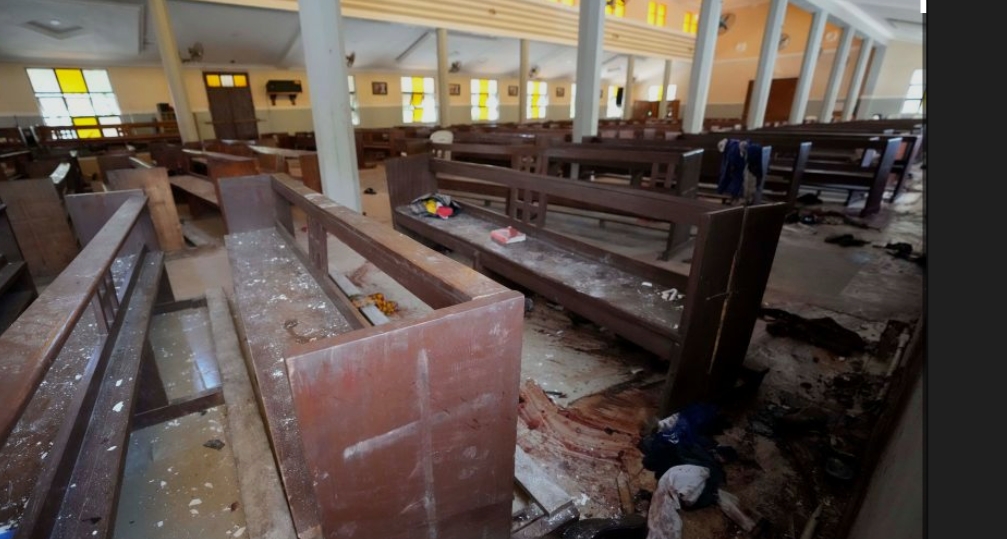
From my personal point of view, the major issue appears to be that security efforts are often reactive rather than preventive. Many of these attacks happen in rural areas where there are known security threats and forest hideouts.

A possible solution often suggested by community leaders is the deployment of military personnel to vulnerable areas and forests where armed groups are believed to operate. Early intelligence gathering and rapid response units could also help prevent attacks before they happen.
The Way Forward for Nigeria
Nigeria’s security crisis affects both Christians and Muslims, and the continued violence threatens national unity and economic stability. The government may need to strengthen intelligence, improve coordination between the army, police, and air force, and ensure that security leadership is neutral and professional.
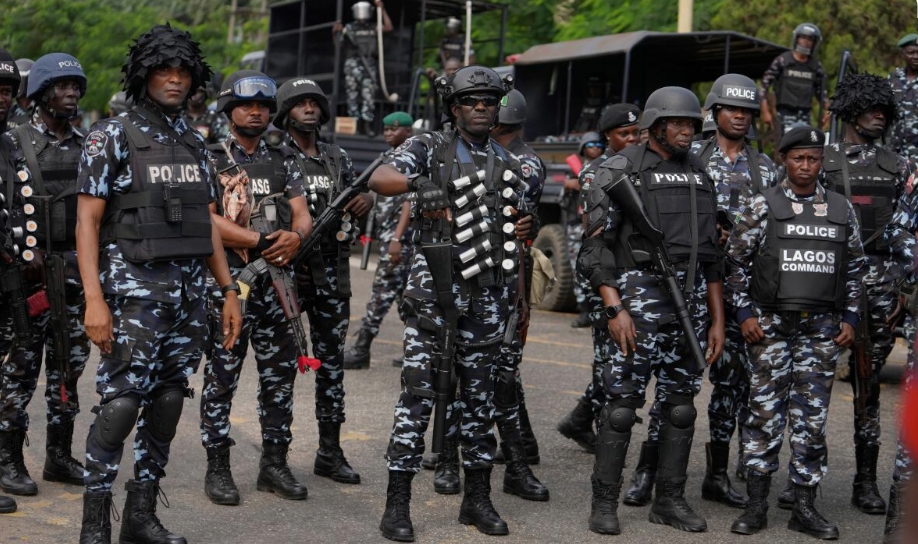
Peace building efforts between farmers and herders, border control, and rural security investment may also help reduce the violence. Without urgent action, many fear that the cycle of attacks and retaliation may continue for years.