



A New Chapter for Global Anglican Leadership
Gathering in Abuja Amid Growing Tensions
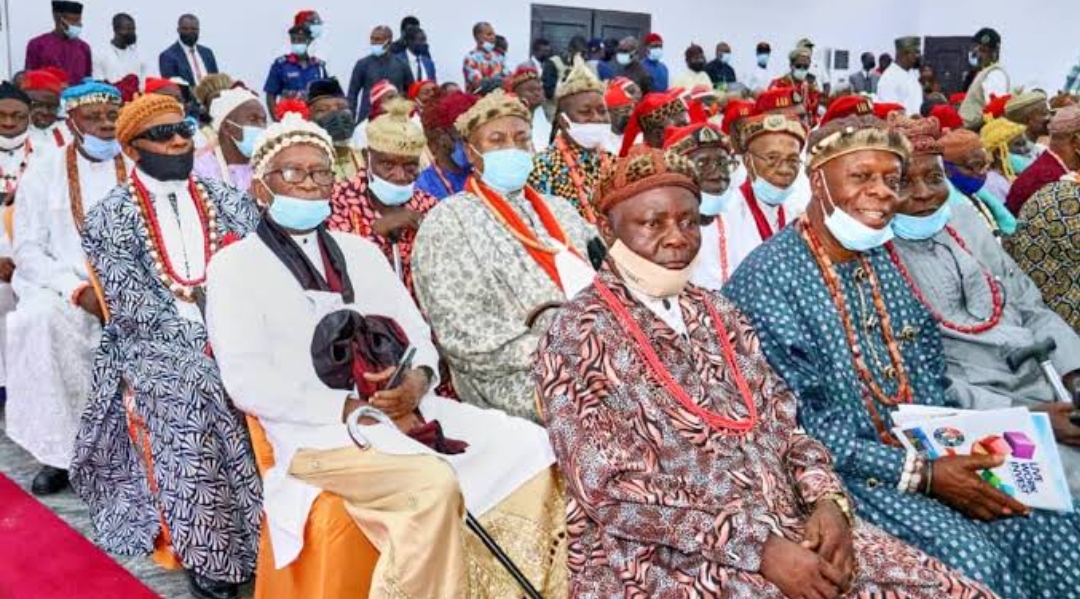
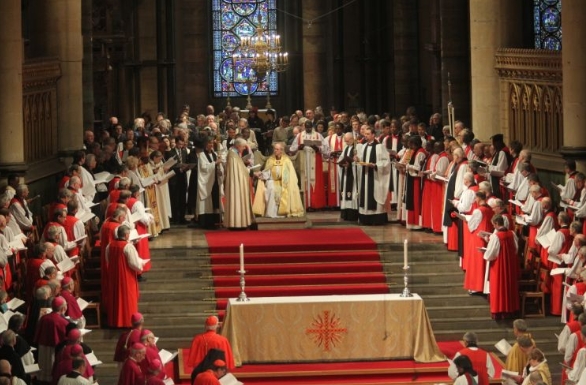
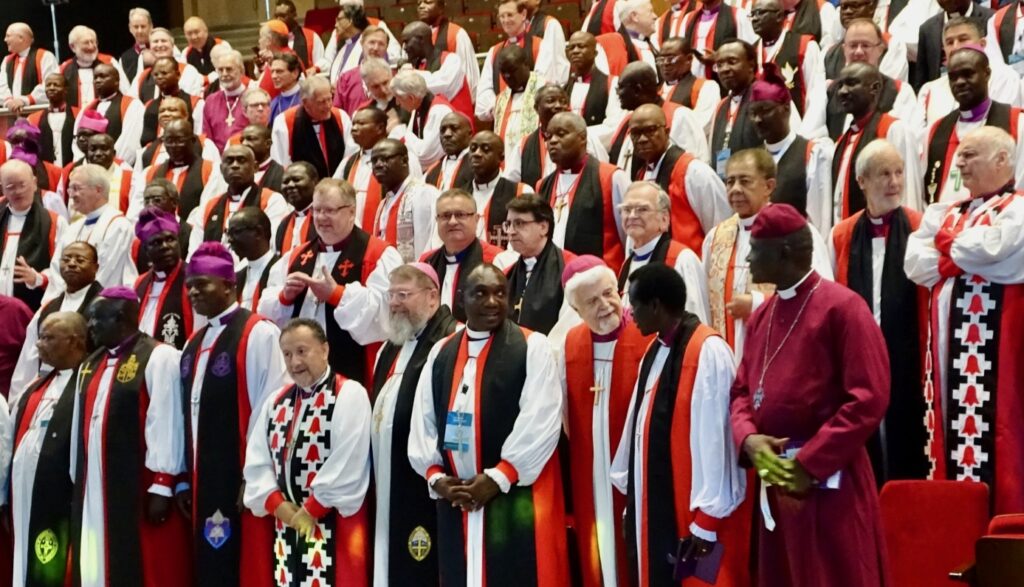
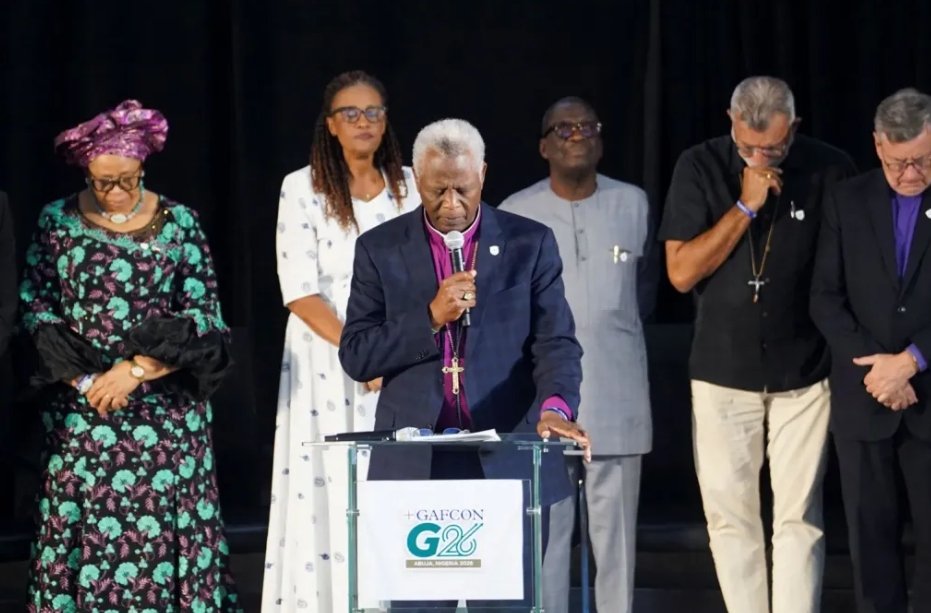
From March 3–6, 2026, hundreds of conservative Anglican leaders gathered in Abuja, Nigeria, for a high-stakes meeting organised by the Global Anglican Future Conference (GAFCON). The gathering brought together bishops, clergy, and lay leaders from Africa, Asia, Latin America, and other regions.
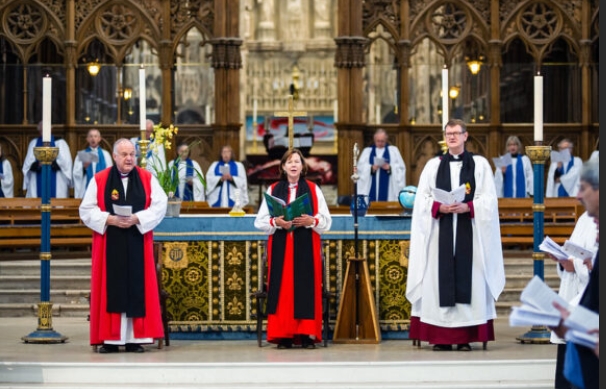
Their discussions focused on the future of Anglican leadership and growing doctrinal tensions with the Church of England. The global Anglican family is becoming increasingly divided over theology, church authority, and social issues, coinciding with the meeting.
Why The Canterbury Leadership Is Being Challenged
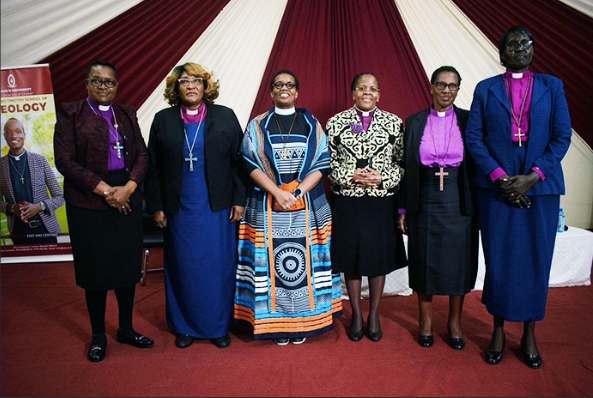
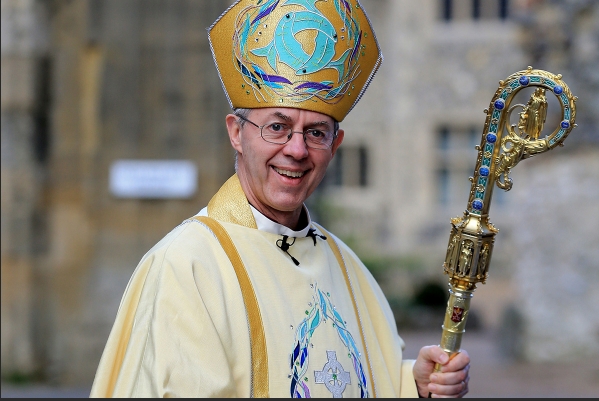
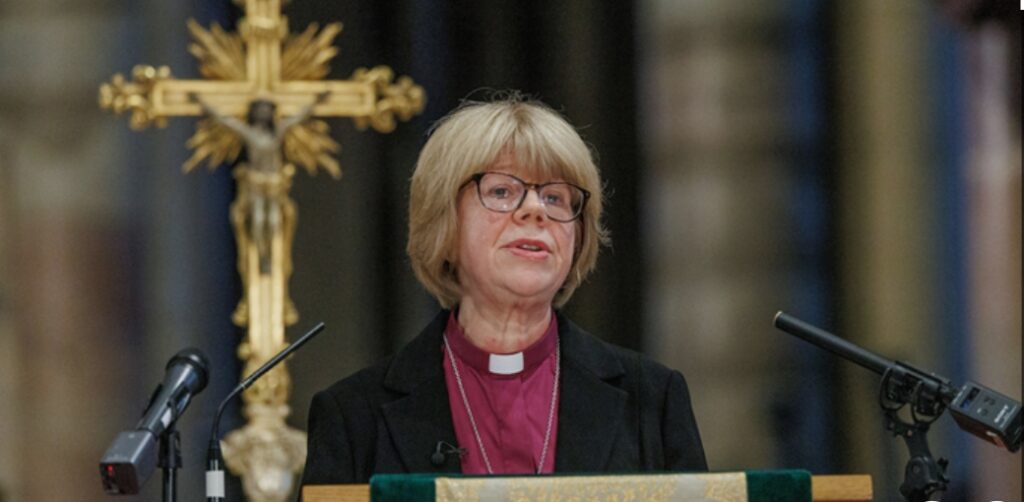
The Abuja meeting was associated with Sarah Mullally’s upcoming installation as the first female archbishop of Canterbury. This historic event is viewed positively in some Anglican circles but met with opposition from others, particularly among GAFCON leaders who oppose her views on same-sex marriage blessings and women’s leadership.
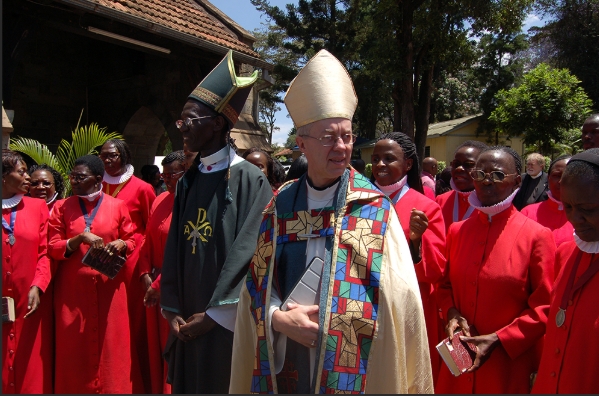
These disagreements have created tensions within the Anglican community and led conservative provinces to question the role of the archbishop of Canterbury as the symbolic leader of the global communion.
Creation of a New Global Anglican Council
One of the most significant decisions from the Abuja gathering was a major leadership restructuring. GAFCON dissolved its Primates Council and replaced it with a newly formed body known as the Global Anglican Council.
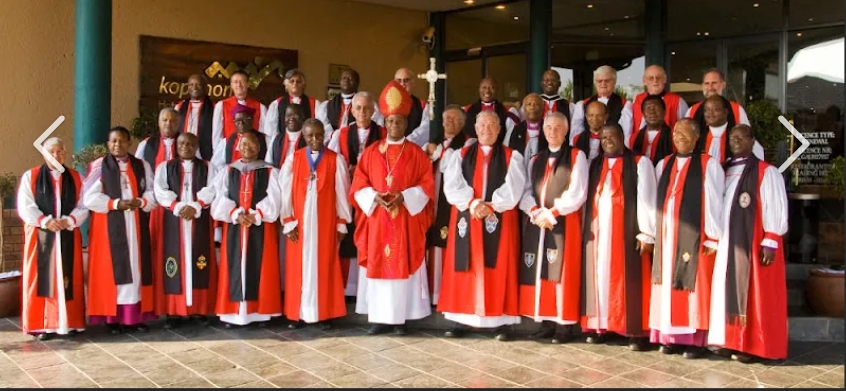
The council includes bishops, clergy, advisers, and lay members, all with voting rights. According to organizers, the new structure aims to reflect a broader and more representative leadership model for conservative Anglican churches worldwide.
New Leaders Elected to Guide the Movement
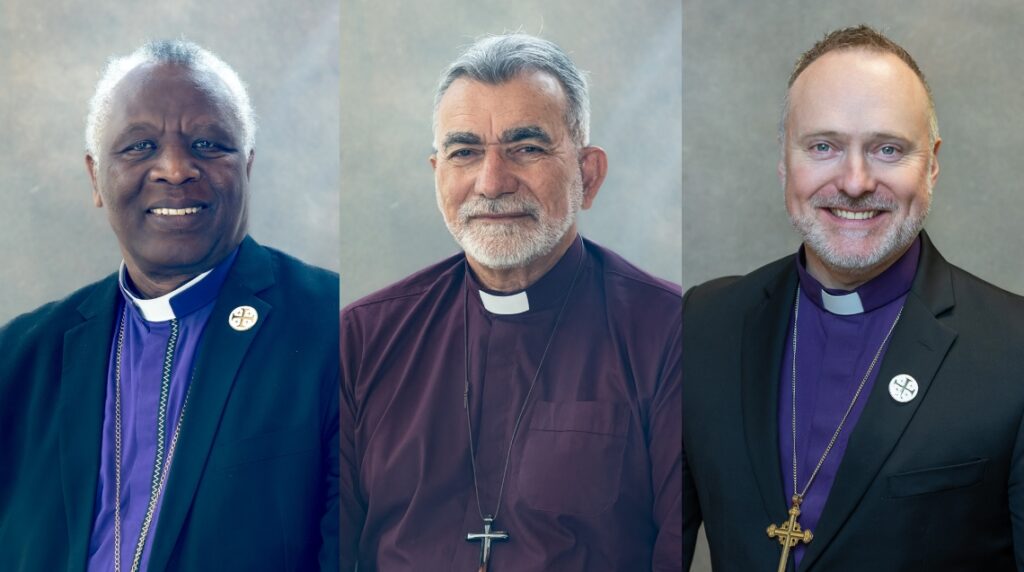
During the meeting, delegates unanimously elected Archbishop Laurent Mbanda of Rwanda as chairman of the Global Anglican Council. Archbishop Miguel Uchoa of Brazil was chosen as vice-chairman, while Bishop Paul Donison was appointed general secretary.
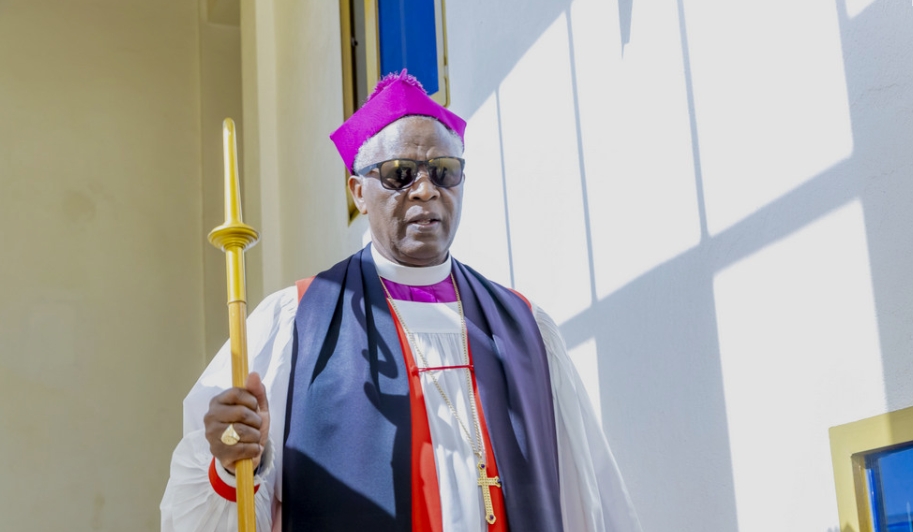
Their leadership terms will run until the next major GAFCON conference scheduled for Athens in 2028. Supporters say the new leadership team represents the diverse geographic spread of the movement, especially the rapidly growing Anglican churches of the Global South.
The Abuja Affirmation and Doctrinal Commitment
The conference also produced a declaration, often referred to as the “Abuja Affirmation.” In it, leaders reaffirmed the principles of the 2008 Jerusalem Declaration, which emphasizes traditional Anglican teachings on marriage, sexuality, and the authority of Scripture.
The document signals that many GAFCON-aligned churches will no longer recognize Canterbury as the central, unifying authority of global Anglicanism. However, leaders insisted that their intention is not necessarily to create a new church but to preserve what they believe is the historic Anglican faith.
A Communion Facing an Uncertain Future
The developments in Abuja highlight a deeper struggle within the Anglican Communion, a worldwide fellowship of churches dating back more than four centuries.
While some observers describe the situation as a potential schism, others see it as an internal reorganization that reflects shifting power toward churches in Africa and Asia.
For now, the Anglican Communion remains united in name but divided in practice.
The decisions taken in Abuja may shape the future of Anglican identity and authority for many years to come.
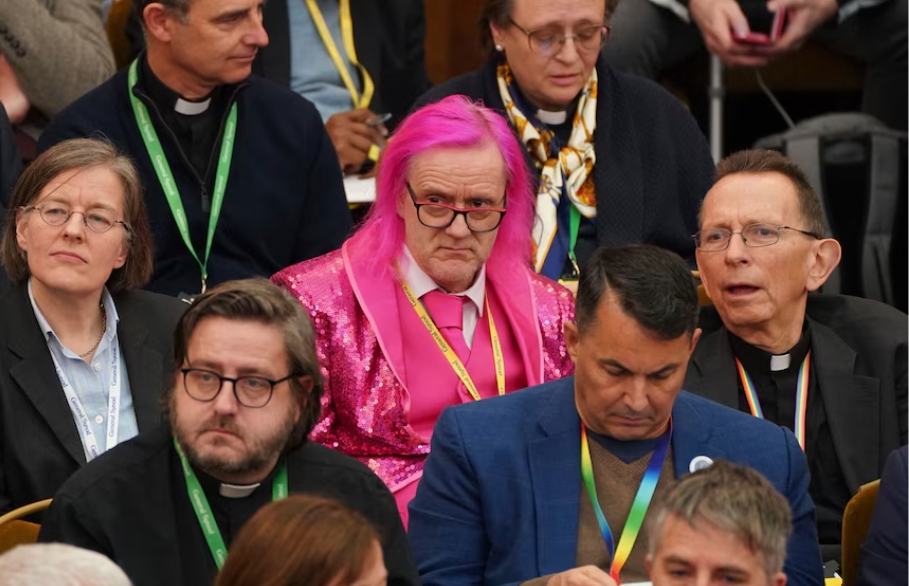
Particularly as they could influence the balance of power between traditional Western churches and the growing influence of churches in Africa and Asia.
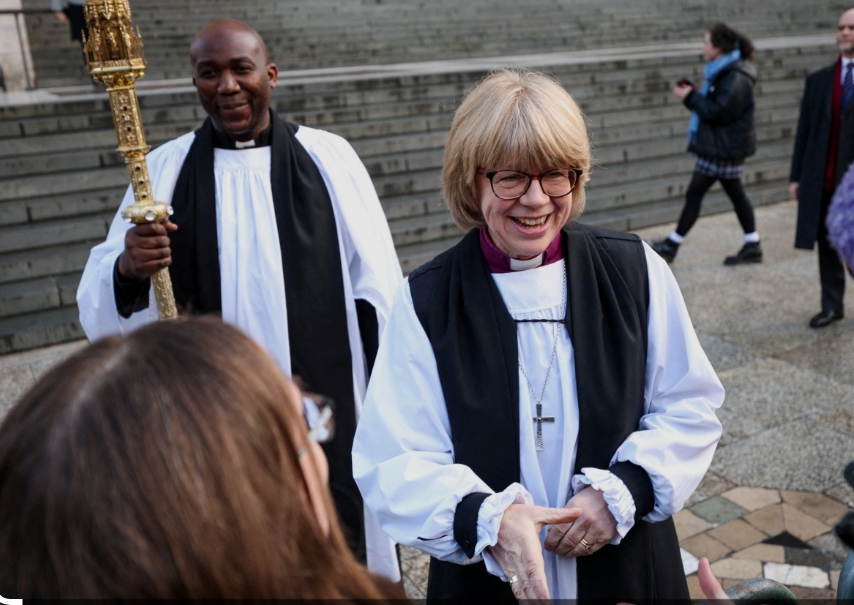
Should Christians Replace God’s Doctrine for Moral Satisfaction?

The debate over Anglican divisions highlights a critical spiritual dilemma for Christians: should church doctrine evolve with modern morals or remain rooted in biblical teachings?

Conservative leaders assert that changing doctrine for cultural acceptance undermines Scripture’s authority, while others advocate for a compassionate response to social changes.
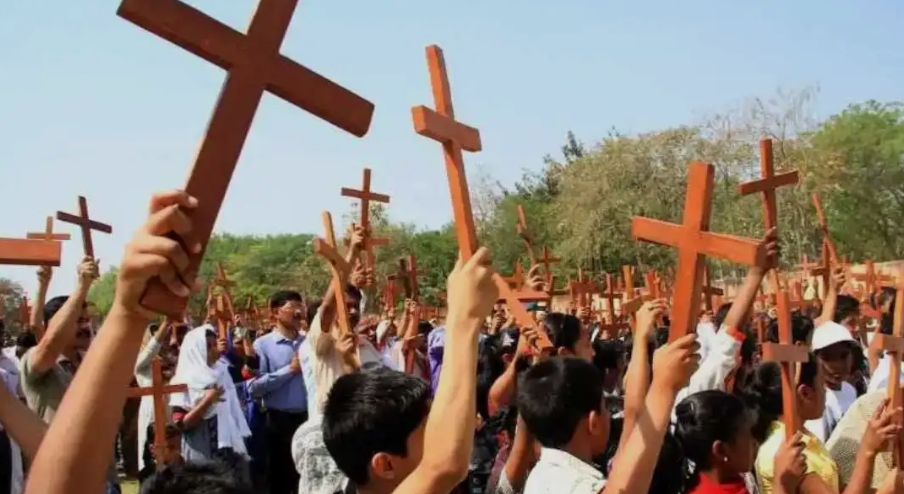
This struggle transcends Anglicanism, affecting many Christian denominations.
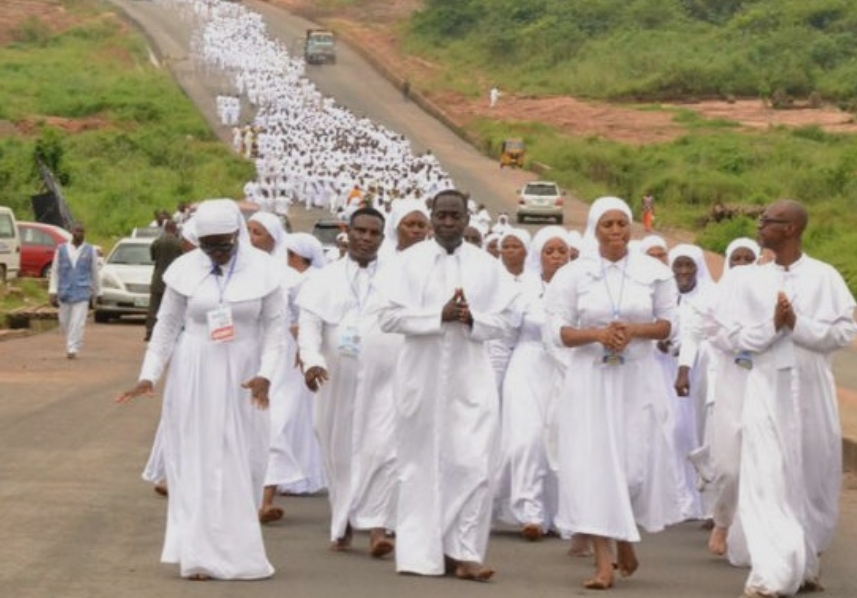
Ultimately, many participants at the Abuja gathering concluded that doctrine should not be modified merely to accommodate contemporary moral trends.