
Iran at Crossroads as Global Pressure Builds Hope
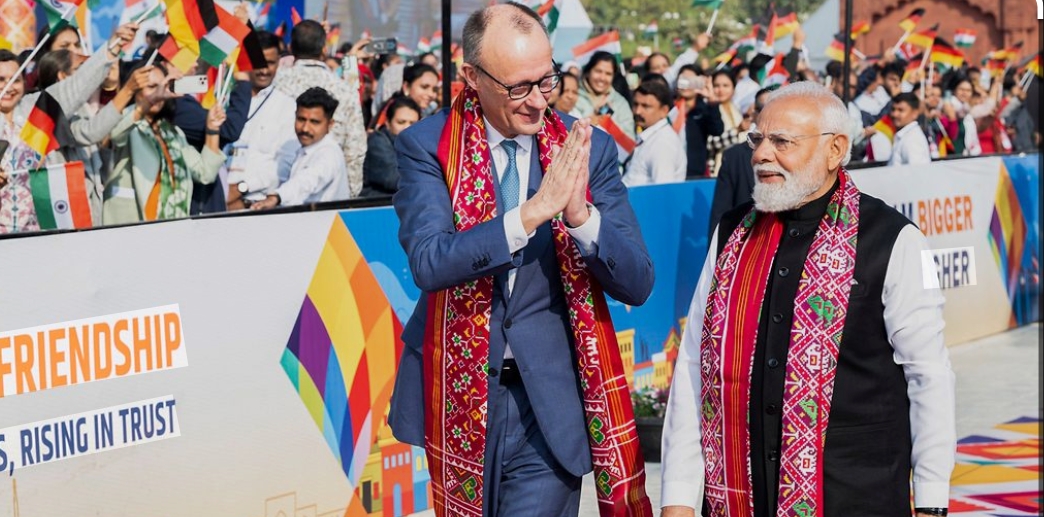
Merz Declares Iran’s Regime Nearing Its Final Phase
German Chancellor Friedrich Merz has sparked global discussion by suggesting that Iran’s ruling regime may be approaching its end due to escalating violence from the police and revolutionary guard. Speaking in Doha and in India, he expressed concern and stated, “If a regime can only maintain its power through violence, then it is effectively finished,” and anticipated that “we are now witnessing the final days and weeks of this regime.” This prediction is significant, as major economic leaders seldom forecast the downfall of sovereign governments without believing that structural conditions warrant such claims.

Currency Collapse and Inflation Deepen Economic Instability
The economic situation in Iran is dire, with the rial’s value plummeting from 70 rials per U.S. dollar in 1979 to over 1.4 million by early 2026. The World Bank predicts a GDP contraction of 1.7% in 2025 and 2.8% in 2026, alongside escalating inflation that could reach 60%. Late 2025 saw official inflation figures above 40%, with food inflation exceeding 70%, impacting household purchasing power and increasing uncertainty in daily life.
Rising Poverty and Bazaar Protests Signal Social Strain
Social strain in Iran is increasingly evident, with reports indicating that over half the population may be malnourished due to rising food prices. Poverty estimates for 2025 range from 22% to 50%. Protests that began in late 2025 intensified following closures in Tehran’s Grand Bazaar, which has historical ties to the 1979 revolution. The current discontent among merchants signifies a critical political context, though the outcomes remain uncertain.
Western Pressure Intensifies Amid Coordinated Diplomacy
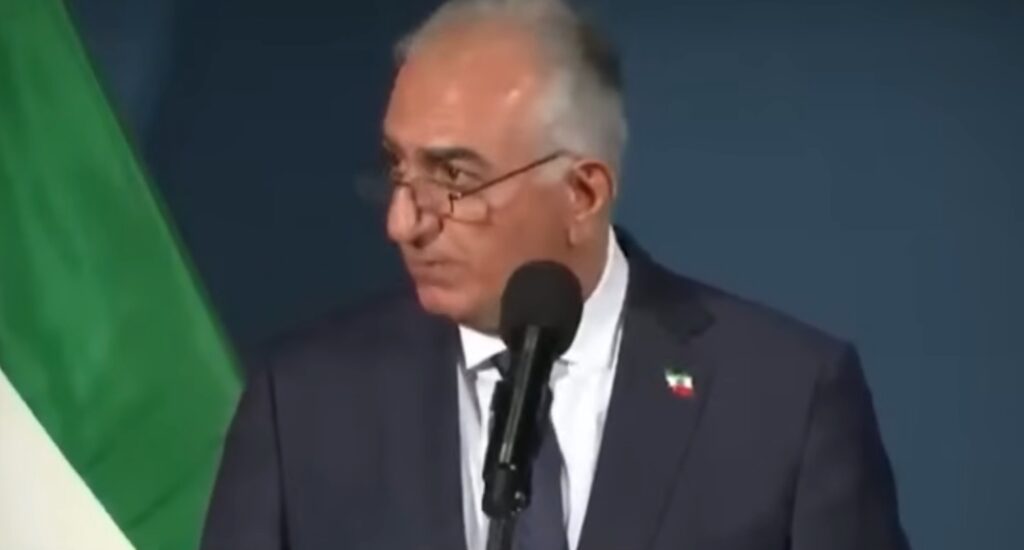
International pressure is increasing domestic instability regarding Iran. Donald Trump has declared a potential 25% tariff on countries trading with Iran, maintaining a tough economic policy. German exports to Iran plummeted to below €1 billion in 2025, representing a small fraction of total exports. A statement from Merz, UK PM Keir Starmer, and French President Macron criticized Tehran’s actions against protesters and highlighted coordination among Western powers. Discussions in major European capitals about “peaceful transition” indicate strategic planning efforts.
Oil Revenue Limits and Capital Flight Accelerate Decline
Oil revenues, previously crucial for Iran’s economy, now offer limited relief due to sanctions and discounted sales, with an estimated $23 billion earned in oil exports for the fiscal year ending March 2025. A minor share of this revenue supports civilian functions, while military and security institutions receive considerable funding. Additionally, an anticipated capital flight of up to $40 billion by 2025 threatens monetary stability and investor confidence, contributing to frequent economic crises within the nation’s $300 billion GDP.
Succession Uncertainty Clouds Iran’s Political Future
Forecasting regime collapse in Iran is complex, particularly with Supreme Leader Ali Khamenei at 86 and a succession debate emerging. Potential successors like Mojtaba Khamenei and Hassan Khomeini embody divergent ideologies but struggle with legitimacy and institutional backing. Historically, governments under economic stress can endure if security forces remain united. Currently, Iran faces severe economic contraction, currency instability, and political unrest, with the outcome hinging on both elite decision-making and societal resilience.