





Why Waking Up at 3 AM Happens
Why Waking Up at 3 AM Is More Common Than Most People Think

I’ve always been fascinated and, at times, frustrated by the phenomenon of waking up in the dark hours between 2 a.m. and 4 a.m., especially around 3 a.m. This early-morning disruption is more common than most people realize: research suggests that up to one-third of adults wake during the night at least a few times a week, with a significant number remembering wake-ups at this exact hour.
How Cortisol and the Body Clock Trigger Early-Morning Wake-Ups
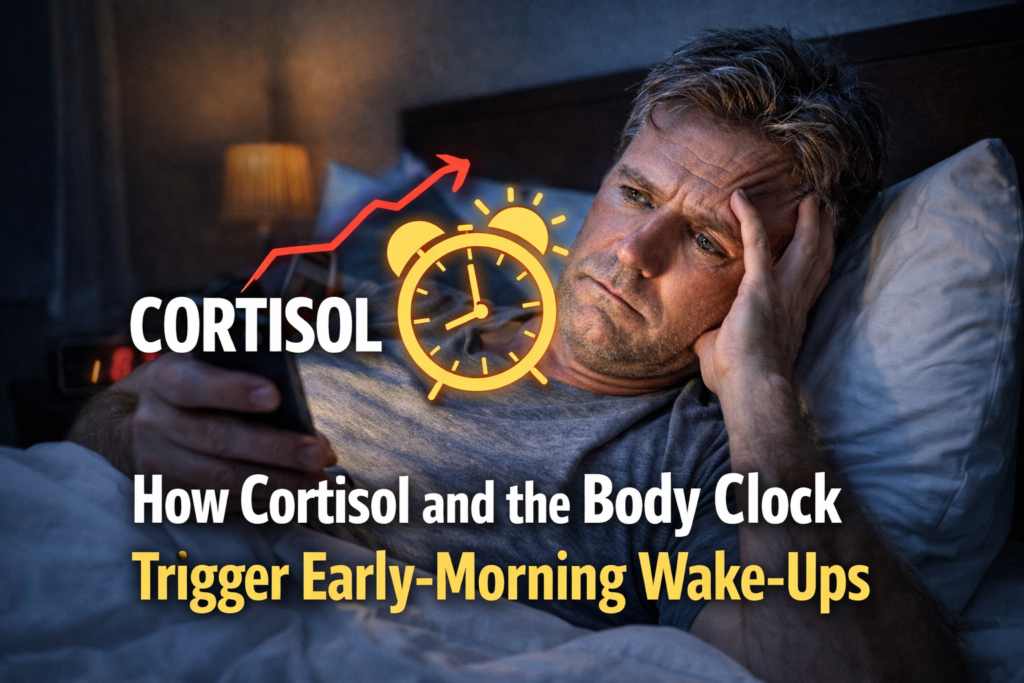
According to sleep medicine science, one reason people wake around this time is the body’s natural hormone rhythm. Cortisol—a stress and alertness hormone—begins to rise around 2–3 a.m. as part of the circadian system preparing us to wake. Stress can exaggerate this normal increase, jolting people awake.
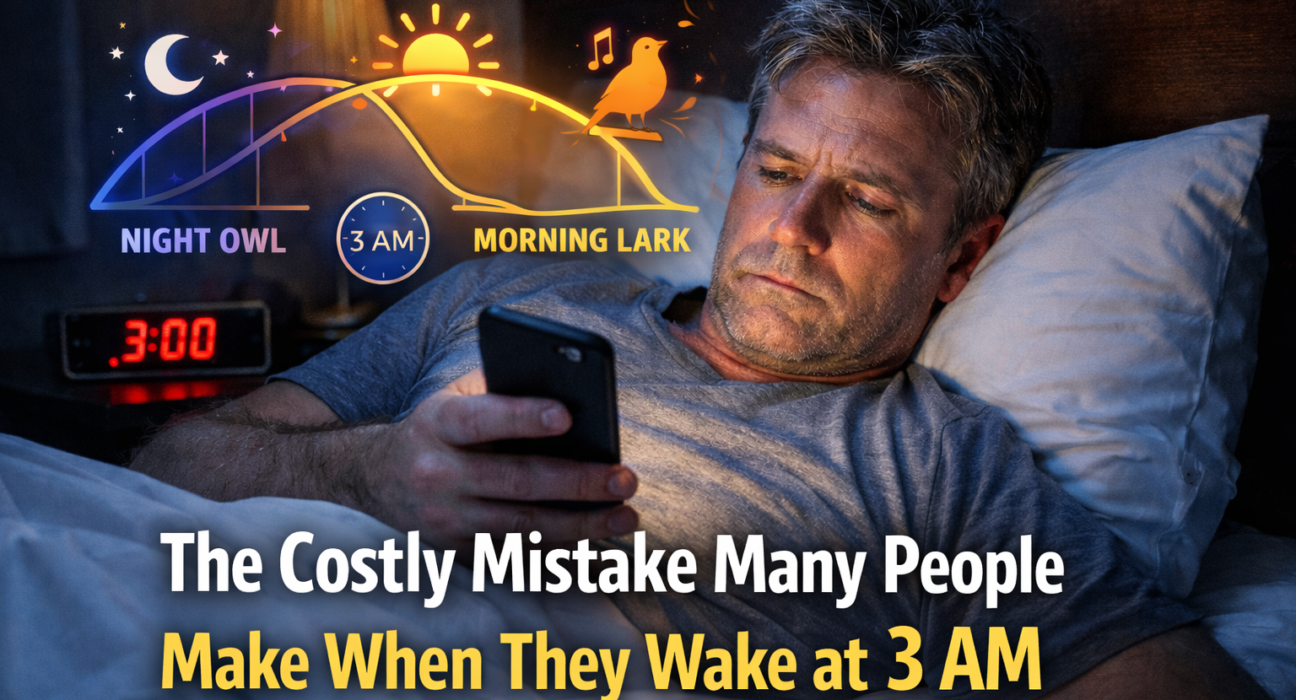
The Costly Mistake Many People Make When They Wake at 3 AM
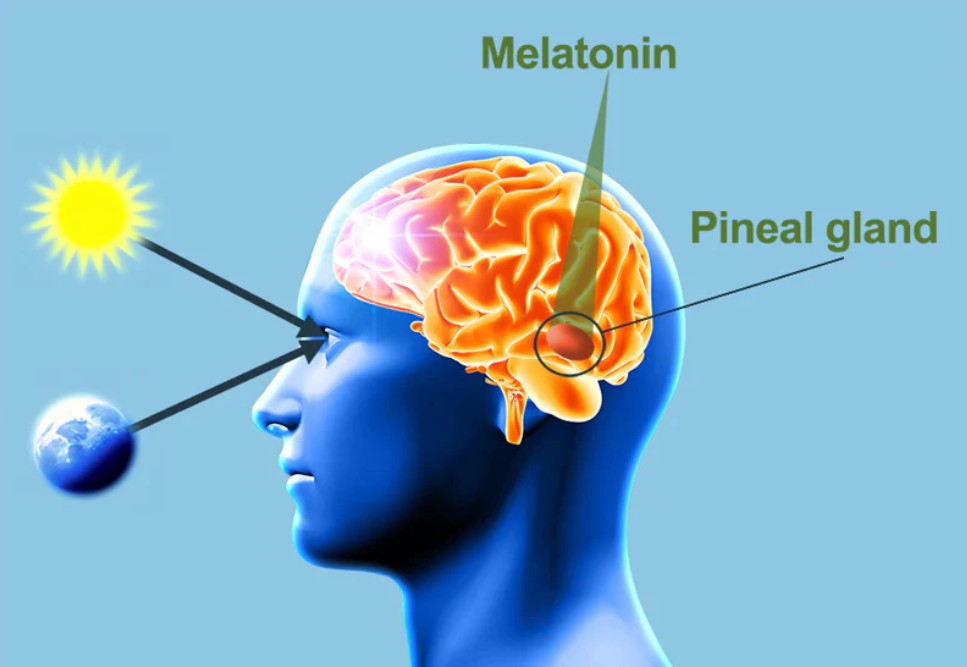
It’s tempting to react when you find yourself blinking awake at 3 a.m., and a common impulse is to reach for your phone or check the time. However, sleep experts warn this may be counterproductive. Blue light from screens suppresses Melatonin (the sleep hormone) and can signal your brain that it’s time to be awake, making it harder to return to rest.
Why Checking Your Phone at Night Disrupts the Brain’s Sleep Signals
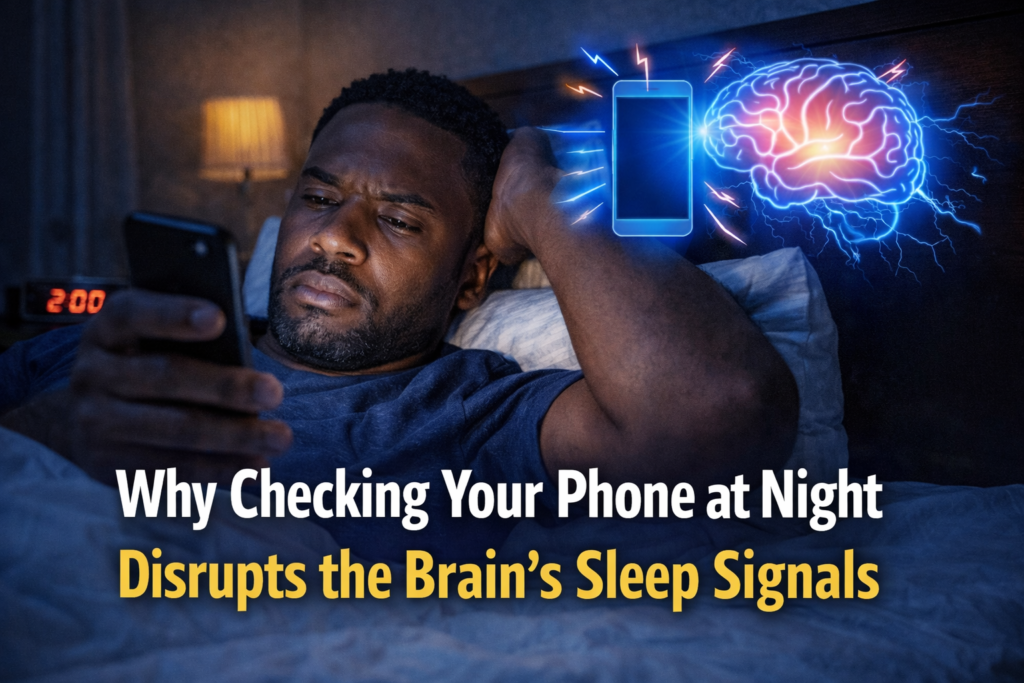
In practical terms, that means do not look at your phone, scroll news, or start planning your day if you wake up at this hour. Instead, keeping lights dim and engaging in calm, non-stimulating behavior (like deep breathing or gentle reading) is recommended by practitioners to help resettle your nervous system.
Lifestyle Habits That Quietly Contribute to 3 AM Wake-ups
Beyond the hour itself, lifestyle factors contribute to these wake-ups. Eating large meals late, consuming caffeine or alcohol in the afternoon or evening, and irregular sleep schedules are all associated with early morning awakening. Adjustments such as finishing food and caffeine earlier and maintaining consistent sleep-wake times can lessen midnight disruptions.
When Night Wakings Are Normal — and When They Signal a Problem
Importantly, not all 3 a.m. wake-ups are cause for alarm. Brief awakenings, especially when followed by an effortless return to sleep, are part of normal sleep architecture as people cycle through light and deep sleep stages. Persistent or prolonged wakefulness that affects daily functioning, however, may point toward underlying conditions such as insomnia or sleep Apnoen and warrant medical evaluation.
Science-Backed Techniques That Help the Body Return to Sleep
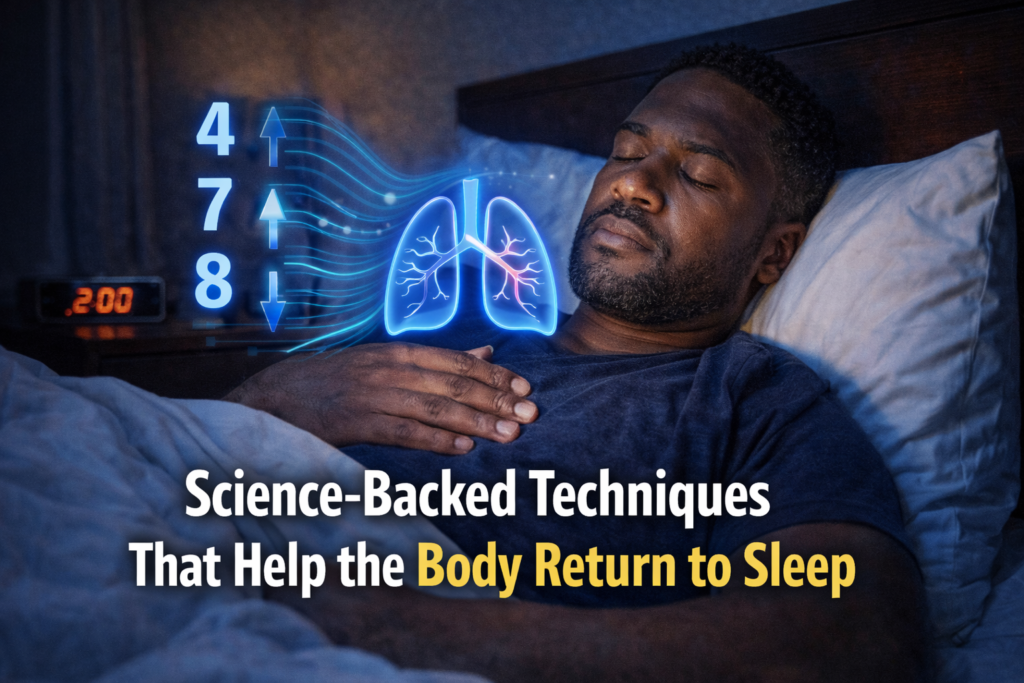
Some experts even highlight advanced strategies for calming the nervous system when these wake-ups occur. Controlled breathing techniques like the 4-7-8 method and mindfulness strategies can reduce sympathetic arousal (the “fight or flight” response), lower stress hormones and invite relaxation back into the system.
Understanding 3 AM Wake-ups Without Letting Anxiety Take Over
If you’ve ever lain in the quiet hours listening to the clock tick past 3 a.m., you’re not alone, and there are constructive steps backed by research and clinical sleep medicine to help you return to rest without feeding anxiety or reinforcing unhelpful habits. The goal isn’t perfection but understanding and responding to your sleep signals in ways that support your health and well-being.