
The Powerful Vision Behind Ghana’s Economic and Global Rise
From Accra to the World: How Mahama’s ‘Reset’ is Redefining Global Development
Ghana’s President, John Dramani Mahama, has been designated the world’s fifth most powerful person promoting global development and change-making in 2026.
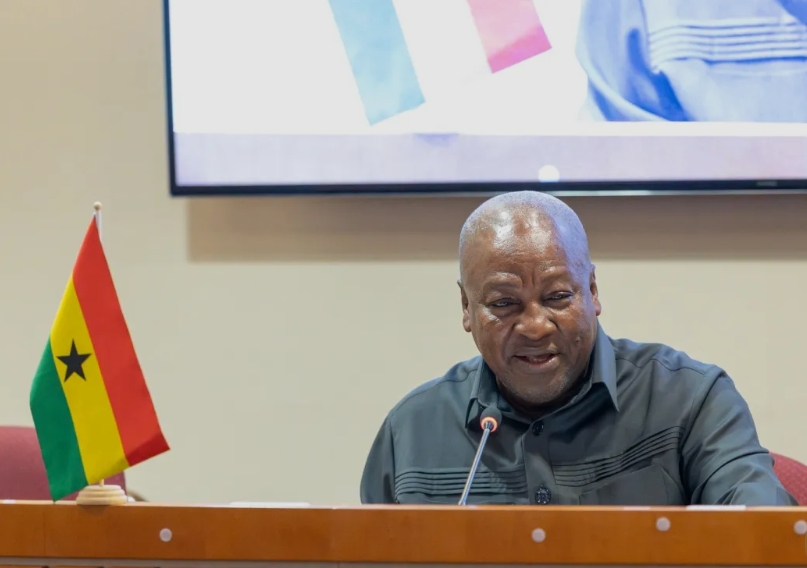
This distinguished prize, bestowed by the recognized international development newspaper Devex, elevates Mahama to the ranks of a select set of global influence’s at a time when development financing and execution are undergoing fundamental transformations worldwide.
The Vision of ‘Accra Reset’
President Mahama’s influences stems from his support for the ‘Accra Reset’ agenda. This is a bold policy framework that aims to shift African countries away from traditional assistance dependency.
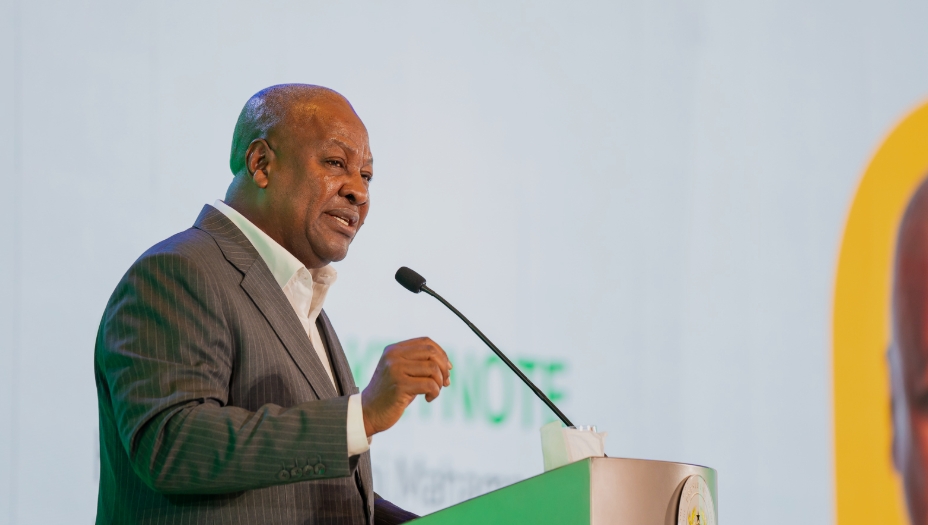
According to Devex, Mahama has emerged as a key voice, urging that Africa must “renegotiate its place in the global economic order” rather than just adapt to dwindling foreign aid allocations.
The Reset focuses on realistic, market-driven initiatives such as raising domestic revenue, growing intra-African trade via the African Continental Free Trade Area (AfCFTA), and using technology to overcome development constraints.
A Response to a Changing Global Landscape
The Accra Reset is a direct and practical response to seismic upheavals in the international development industry. With big conventional donors like the United States reducing foreign aid, there is an urgent need for alternative, sustainable finance options.
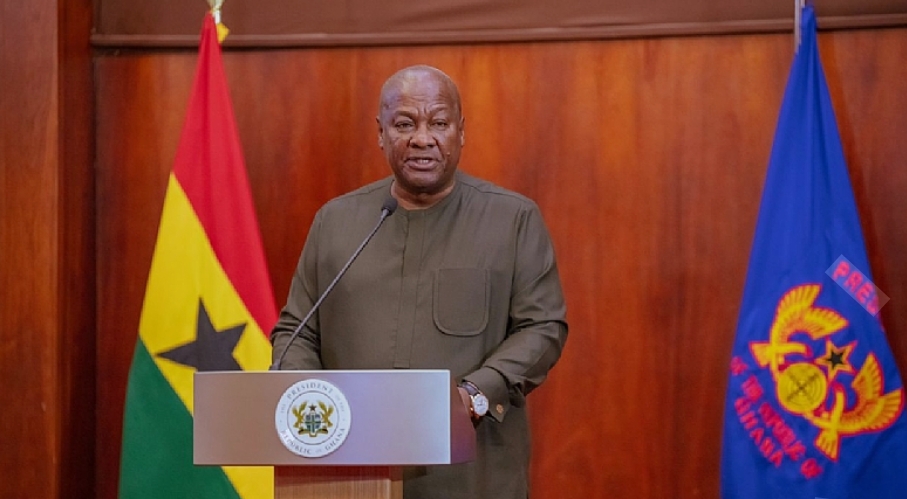
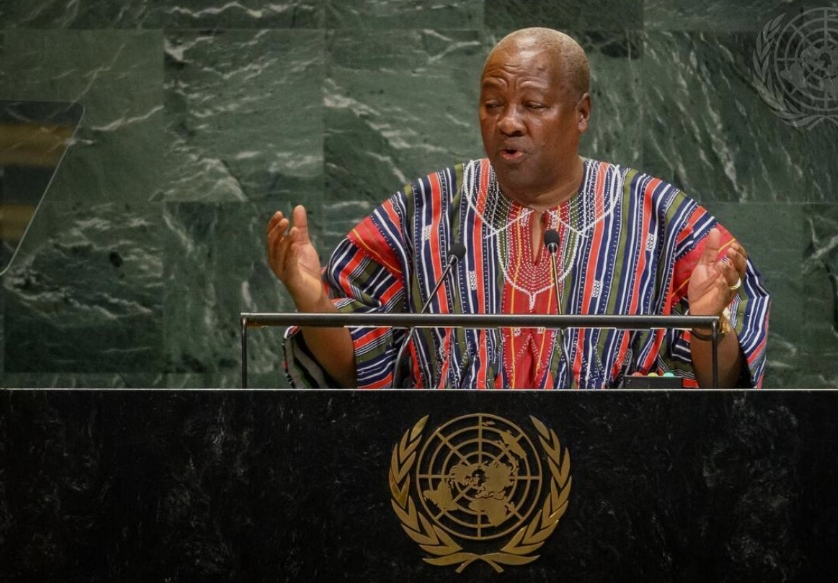
Mahama’s proposal aims to put an end to “development-as-usual” by proposing new governance, business, and funding frameworks. It positions itself not only as an African answer, but also as a worldwide agenda for more fair international cooperation, which Mahama emphasized at the United Nations General Assembly in September 2025.
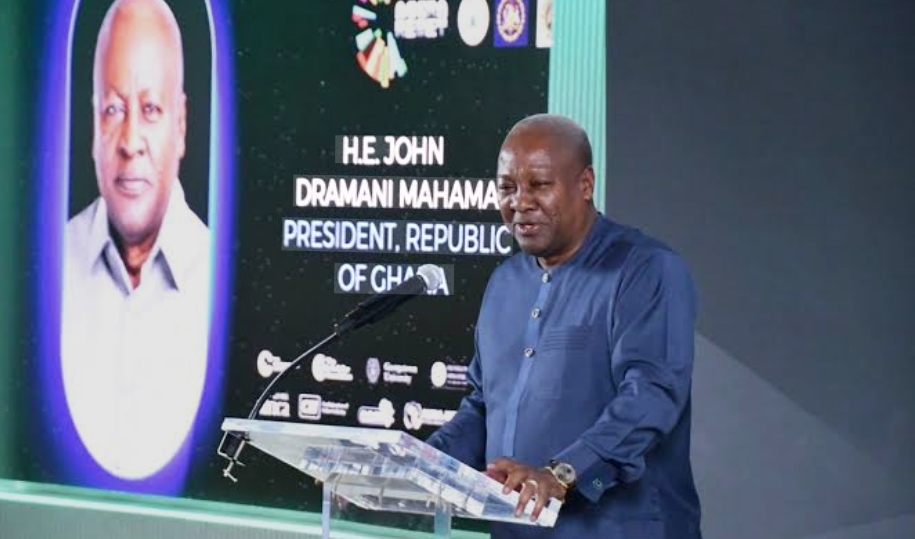
The Leader Behind the Agenda
President Mahama’s advocacy is described as hands-on and essential to the Reset’s momentum. His approach is based on the long-held idea that “political freedom without economic transformation is incomplete.”
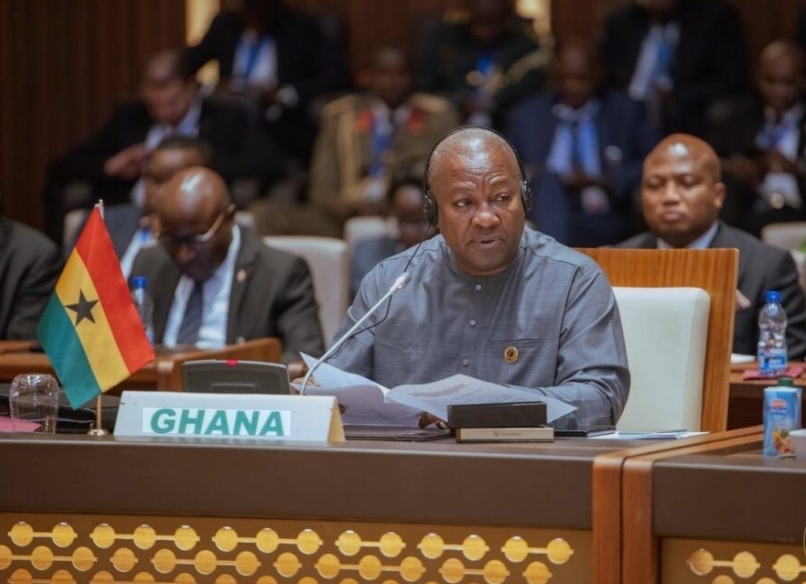
He previously served as President from 2012 to 2017 and as co-chair of the UN Advocacy Group on the Sustainable Development Goals, bringing decades of expertise to his second, non-consecutive term, which begins in January 2025. He chairs the Accra Reset’s Presidential Council, which includes other Global South leaders, and is advised by prominent personalities such as former Nigerian President Olusegun Obasanjo.
Linking Global Vision and Domestic Progress
For President Mahama, the global Accra Reset complements his local “Resetting Ghana Agenda”. He thinks that effective national sovereignty necessitates both internal reform and a more equitable international framework.
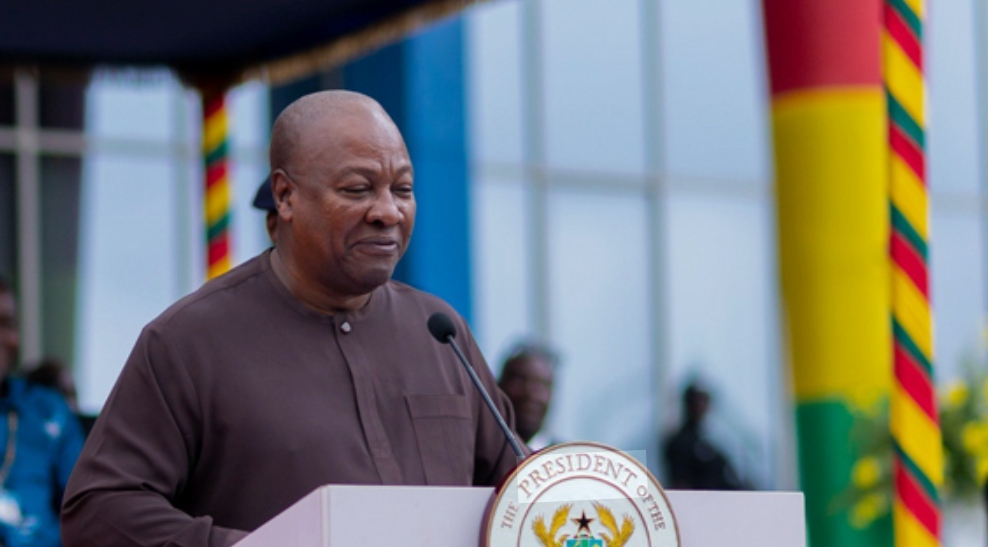
This ideology appears to be linked to genuine economic achievement; the President recently declared that Ghana’s economy has made a spectacular turnaround, with inflation falling drastically and the currency strengthening greatly within a year of his administration. He attributes the recovery to both careful policy and supernatural intervention, noting that international financial institutions have expressed amazement at Ghana’s rapid stabilization.
Redefining the Geography of Power
Mahama’s top five status represents a larger shift in the geography of development influence. Devex emphasizes that actual power is now frequently held by behind-the-scenes players who create policies, people, and budgets.
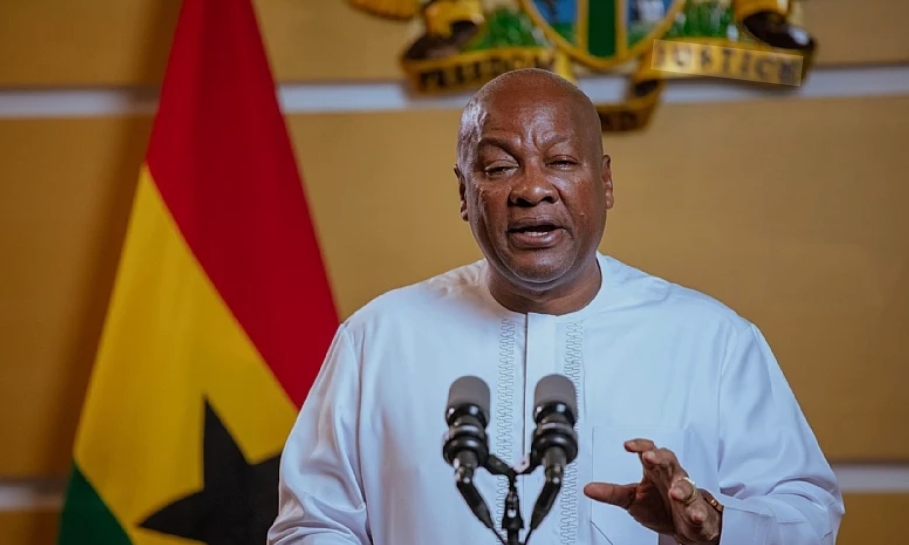
The list, which includes a sitting African president as well as leaders from global finance, philanthropy, and technology such as Open AI’s Anna Makanju and the African Development Bank’s President Akinwumi Adesina, recognizes that the future of global progress is increasingly being directed from capitals like Accra. It represents a dramatic shift in which developing countries are actively projecting influence and seeking a decisive place at the global decision-making table, rather than simply participating.