


Resolving Nigeria’s Tax Law: A Path to Strong Governance

A Democratic Foundation Under Threat
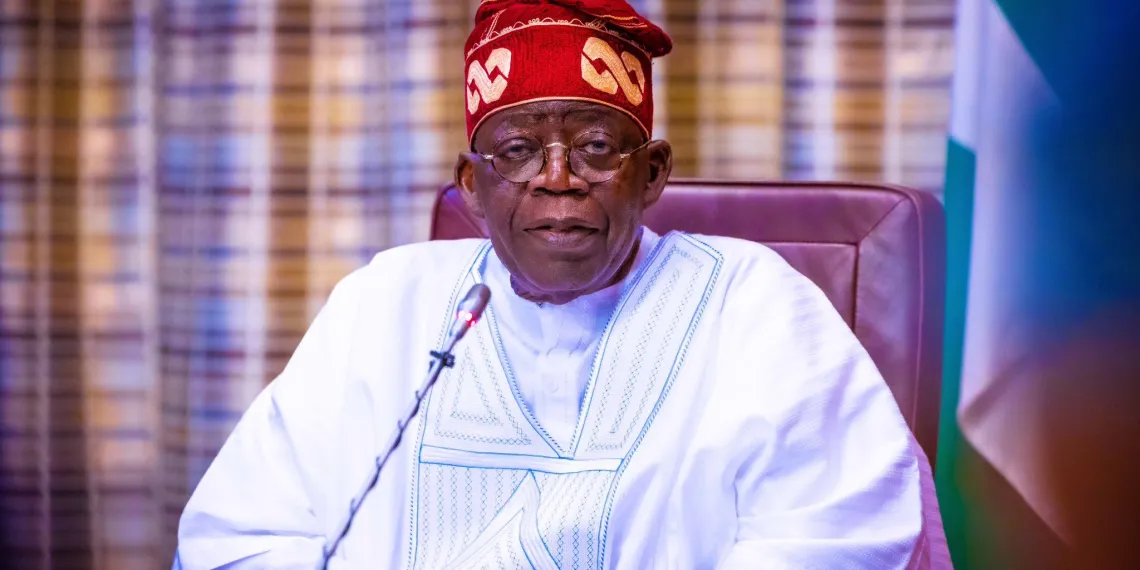
The foundation of any democracy is the belief that laws are enacted clearly and scrupulously followed. In Nigeria, this foundation is under serious threat. A major controversy has emerged in response to credible allegations that the recently approved Tax Reform Act was fundamentally altered after it was passed by the National Assembly and signed into law by President Bola Tinubu.
The Policy and Legal Advocacy Center (PLAC) has issued a basic constitutional warning, claiming that if enacted, such post-passage changes would undermine legislative integrity, the separation of powers, and public trust in the rule of law. This incident extends beyond a mere bureaucratic debate; it fundamentally challenges democratic administration by questioning whether the country’s most significant tax overhaul in decades was enacted through proper, legal channels.
Substantive Changes, Not Clerical Errors
Detailed findings attributed to a legislative review committee point to six major deviations in the gazetted law that appear to be substantive policy changes, not minor clerical corrections. These include altering statutory references, removing petroleum income tax and VAT from federal administrative powers, and imposing a mandatory US-dollar tax computation for petroleum operations.
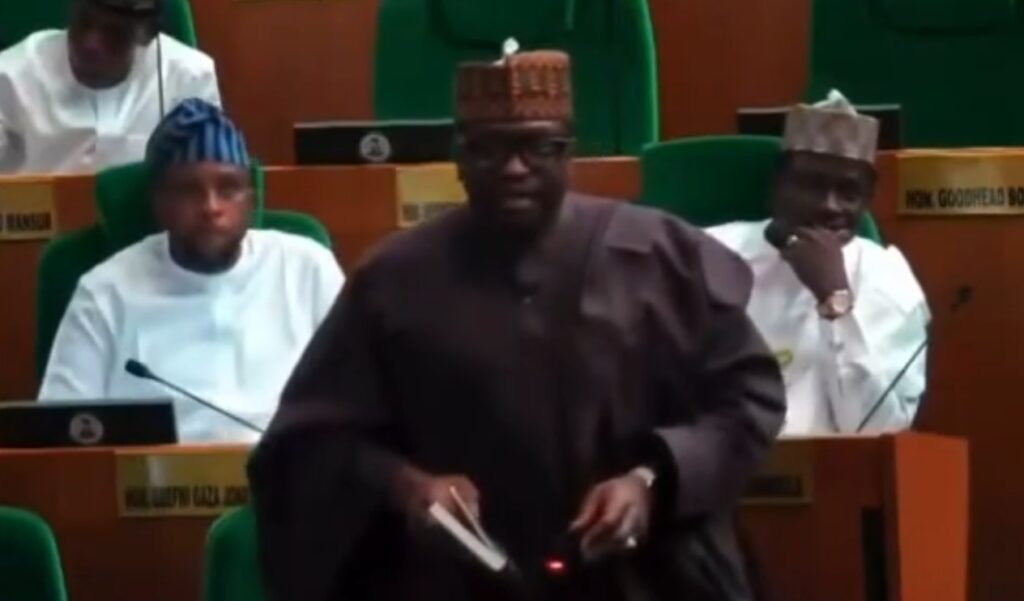
More concerning are provisions that mandate a 20% deposit before a tax appeal can be heard and grant the tax service expanded powers to sell a taxpayer’s assets without prior court approval. As PLAC starkly notes, these actions would constitute a grave breach of Sections 4 and 58 of the 1999 Constitution, which vest law-making authority exclusively in the legislature. The central issue is process legitimacy: allowing such alterations sets a dangerous precedent that threatens legislative supremacy and weakens Nigeria’s democratic institutions.
Official Rebuttal: Claims of Premature Judgment
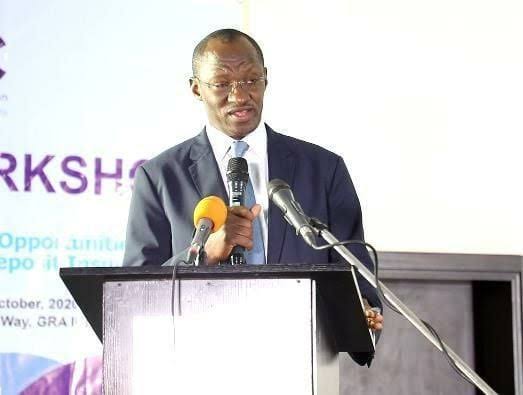
In response to the growing public outcry, the Chairman of the Presidential Fiscal Policy and Tax Reforms Committee, Taiwo Oyedele, has publicly dismissed the claims. Speaking on a television program, Oyedele described the allegations as misleading, stressing that “no official basis currently exists for comparing what was passed by the National Assembly with what was gazetted”.
He argued that the official Harmonized bills sent to the President are not publicly available for comparison and that only lawmakers can authoritatively confirm what was transmitted. Regarding the controversial 20% deposit provision, Oyedele confirmed it was in a draft gazette but is not in the final official version, attributing its circulation to premature reporting. He urged the public to allow the House of Representatives committee to complete its investigation.
Navigating Constitutional Concerns and Economic Urgency
Amid the procedural conflict, an urgent practical issue arises: the planned enactment of the new legislation commenced on January 1, 2026. Oyedele has cautioned that any postponement would adversely affect Nigerian workers and enterprises. He asserted, “The consequence of failing to enact the new tax laws is that the bottom 98 percent of workers will continue to be overtaxed, and businesses will forfeit essential exemptions while enduring a system filled with numerous taxes and concealed VAT.”
His proposed answer is to segregate any faulty provisions for individual rectification while executing the law that has been legitimately enacted without interruption. PLAC, however, demands more resolute measures: an open, independent inquiry, a public disclosure of the genuine version of the law, and explicit accountability for any procedural violations. The settlement of this crisis will either strengthen constitutional order or perilously undermine it, necessitating heightened attention and moral action from all parts of government and civil society.