
Iran’s Exiled Prince Appeals to Trump as Protests Grow
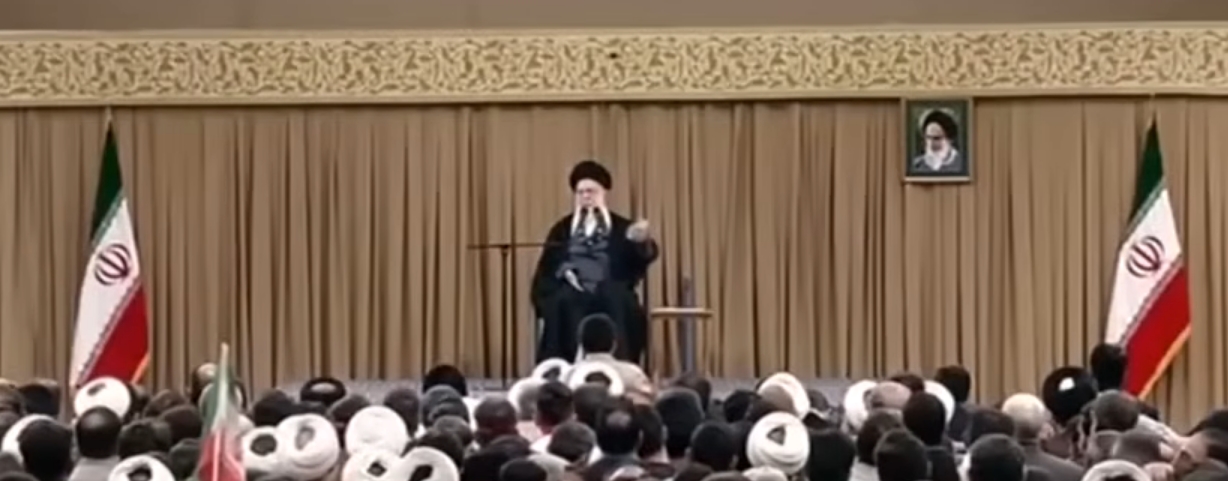
Reza Pahlavi, the exiled heir to Iran’s last monarchy, said in an important Fox News interview that the current unrest across the country is a historic turning point. He called for strong international support for what he called a secular, democratic future for Iran.
The interview shows that the country is at a very important point. The crown prince, who has been a part of the Iranian opposition diaspora for a long time, gives an insider’s view on the level of dissent. He says that the protests are not just about economic problems, but also about a fundamental rejection of the Islamic Republic’s ideology. His writing is the main way the opposition gets its message directly to a Western audience.
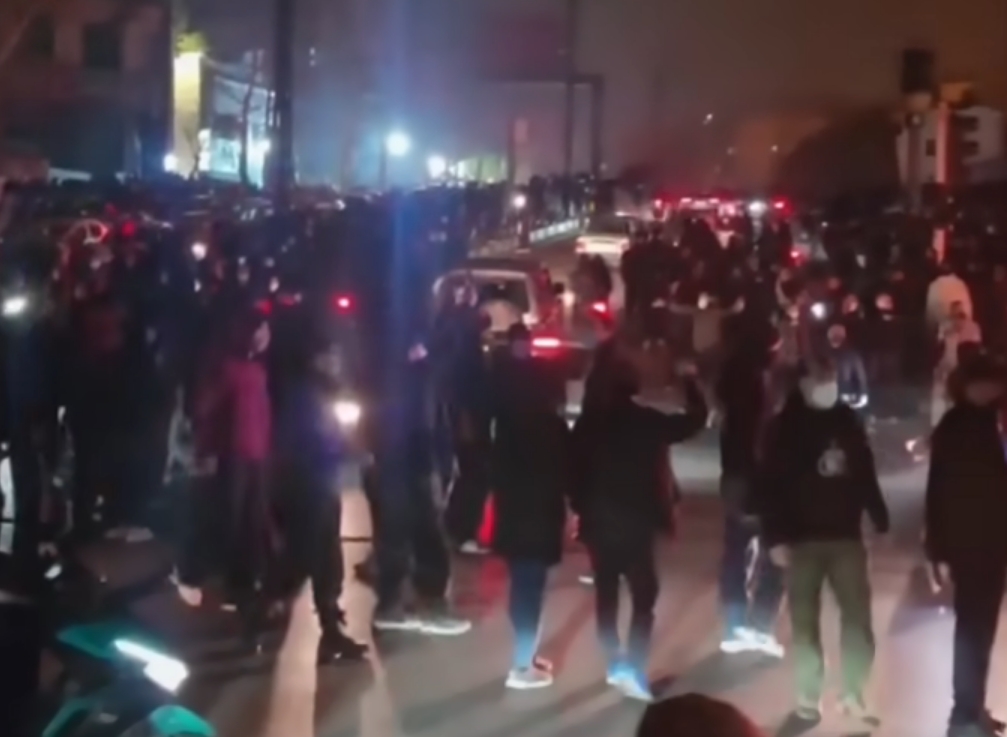
A Nation in Digital Darkness: Protests and Information Warfare
The conversation begins by addressing the regime’s drastic countermeasure against the unrest: a near-total national internet blackout. Pahlavi describes this as a sign of the government’s “desperation and fear,” acknowledging it as a significant obstacle for protesters coordinating and for the world witnessing events.
Despite this digital siege, he asserts that the momentum of dissent is unstoppable, fuelled by decades of grievances. The blackout, rather than quelling protest, is framed as an act that underscores the regime’s isolation from its own people and its willingness to sever Iran from the global community to maintain control.
The Voice of a Dynasty: Pahlavi’s Role and Democratic Vision
Reza Pahlavi consciously positions himself not as a claimant to a restored throne, but as a unifying facilitator for a future political transition. He dedicates his efforts to bridging the diverse factions of the opposition, from secular republicans to disillusioned citizens around a shared goal: ending the current theocracy.
His proposed endpoint is unequivocally democratic: the establishment of a secular republic through free and fair elections. He explicitly states he seeks no predetermined role, aiming instead to “guarantee the process” that would allow the Iranian people themselves to determine their form of government, distancing his mission from a simple royal restoration.
A Direct Appeal to Washington: The Call to “Seal This Legacy”
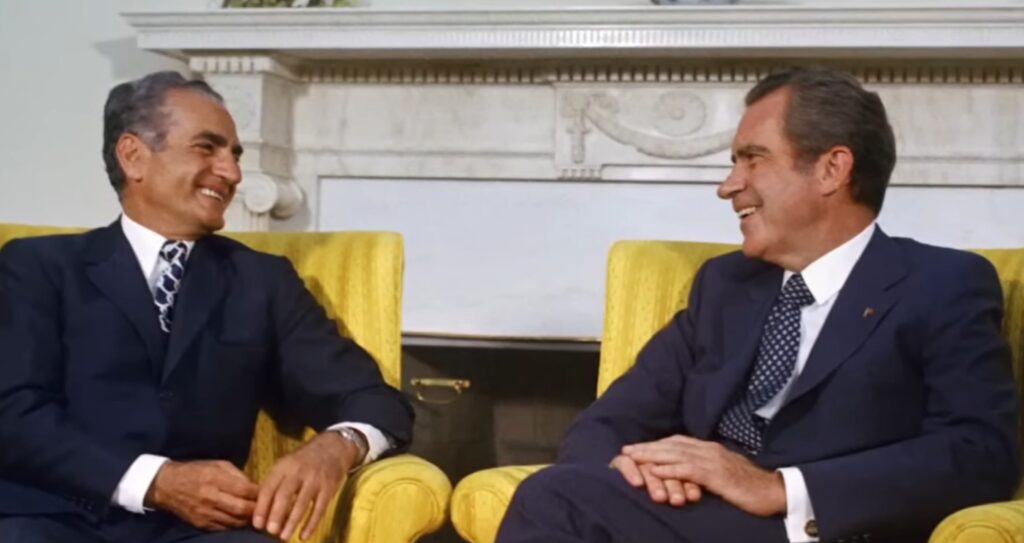
The most politically charged moment is Pahlavi’s direct message to the U.S. administration. He urges President Trump and the international community to move beyond mere condemnation to concrete, decisive action. His plea to “seal this legacy” is a call for U.S. policy to fully and irrevocably align with the Iranian people’s movement.
This appeal suggests a pivotal strategic opportunity. He argues that supporting a democratic transition in Iran would not only fulfil human rights objectives but also permanently alter the Middle Eastern geopolitical landscape, neutralizing a primary source of regional instability and fundamentally improving international security.
The Geopolitical Crucible: U.S.-Iran Tensions as Backdrop
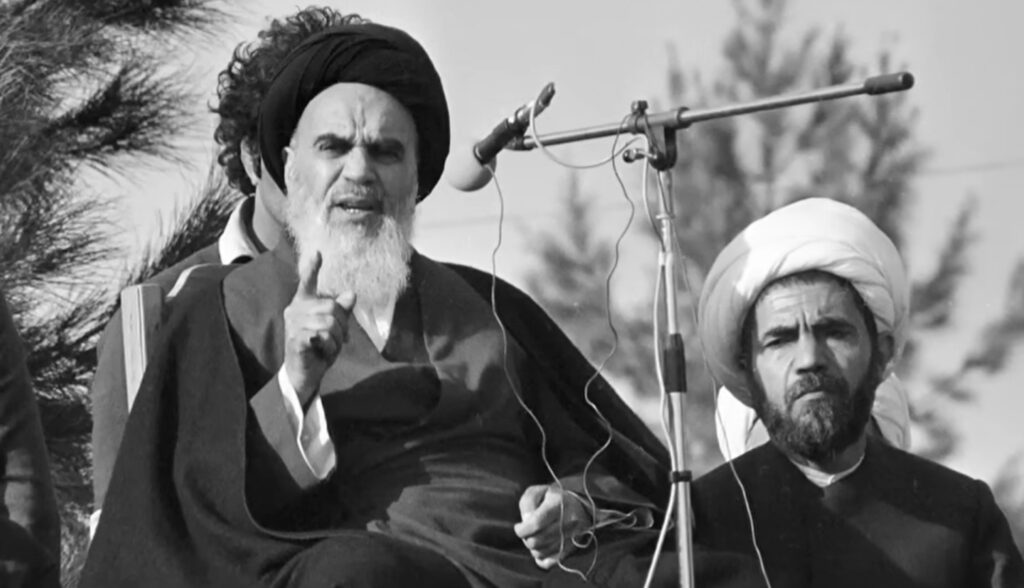
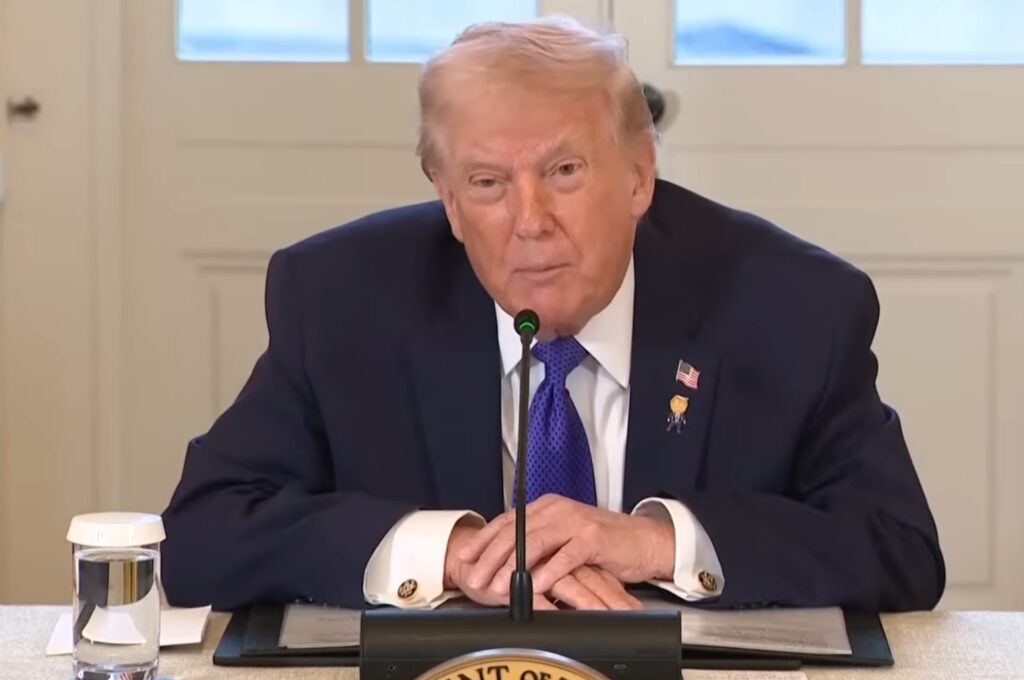
This interview does not occur in a vacuum. It is aired amidst escalating public threats between Washington and Tehran, as reported by Fox News. President Trump warning of unprecedented retaliation. Pahlavi’s appeal seeks to redirect U.S. strategy away from purely military or negotiation-based approaches with the regime.
He advocates for a policy that explicitly empowers the opposition, framing internal regime change led by the Iranian people as the most sustainable solution to the nuclear standoff and state-sponsored terrorism. This positions the democratic movement as the answer to core Western security concerns.
Blueprint for Transition: A Roadmap from Theocracy to Democracy
Beyond inspiration, Pahlavi outlines a practical framework for change. His plan involves forming a broad-based coalition or “transitional council” that would assume responsibility during a carefully managed interim period following the regime’s collapse.
The priorities for this council would be to maintain national integrity, prevent chaos, and immediately organize a constitutional referendum and elections. This focus on orderly process is intended to reassure both Iranians and the world that the end of the Islamic Republic can lead to stability, not a dangerous power vacuum.
The Stakes of History: Weighing a Potential Turning Point
Ultimately, Pahlavi’s interview is a stark presentation of a historic choice. He posits that the West stands at a crossroads: it can repeat past engagements with a weakening theocracy or definitively bet on the Iranian people’s desire for freedom. The “legacy” he references is one of transformative diplomatic courage.
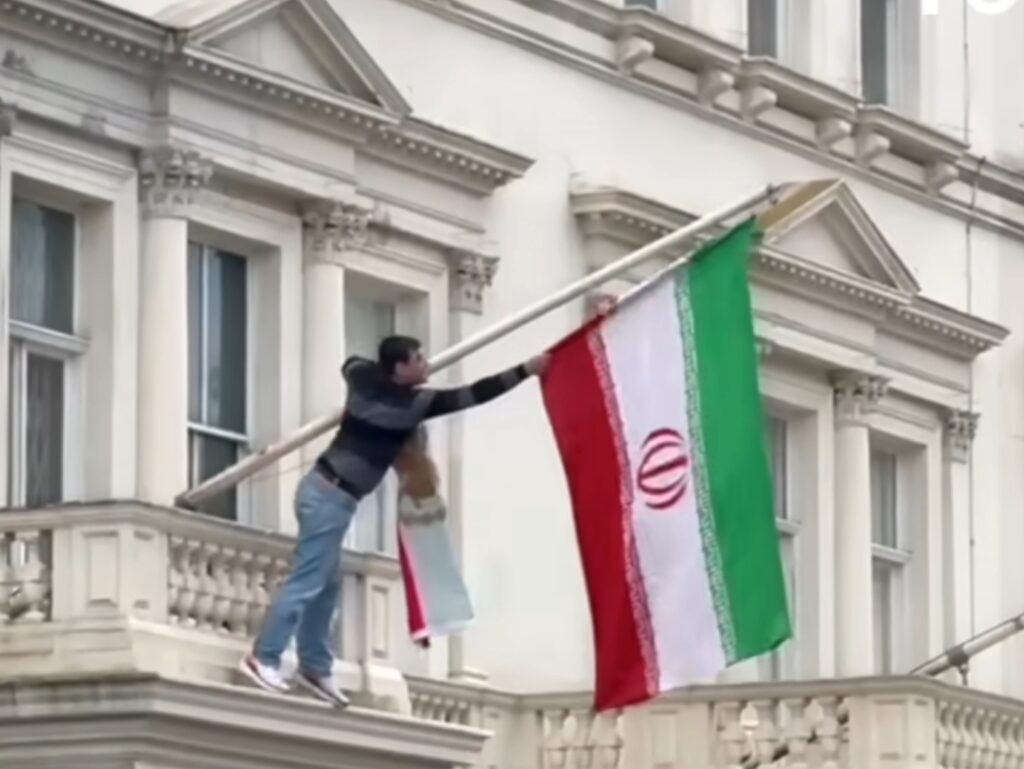
The analysis concludes by recognizing the profound uncertainty of the moment. While the scale of protest is undeniable, the regime’s capacity for repression remains formidable. Pahlavi’s core argument is that international recognition and support could be the critical factor that tips the balance in this long struggle, defining the future of Iran and the wider region for generations.
As Pahlavi stated, the Iranian people are “in the streets, facing bullets,” while the world watches. The unanswered question hanging over this geopolitical drama is whether external powers will remain spectators or become active participants in shaping what happens next.