


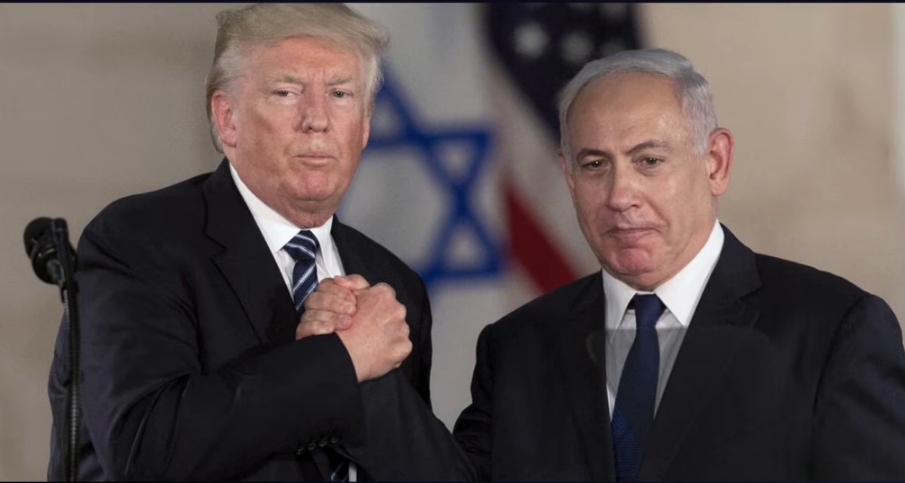
Venezuela Enters New Chapter Following U.S. Capture of Maduro
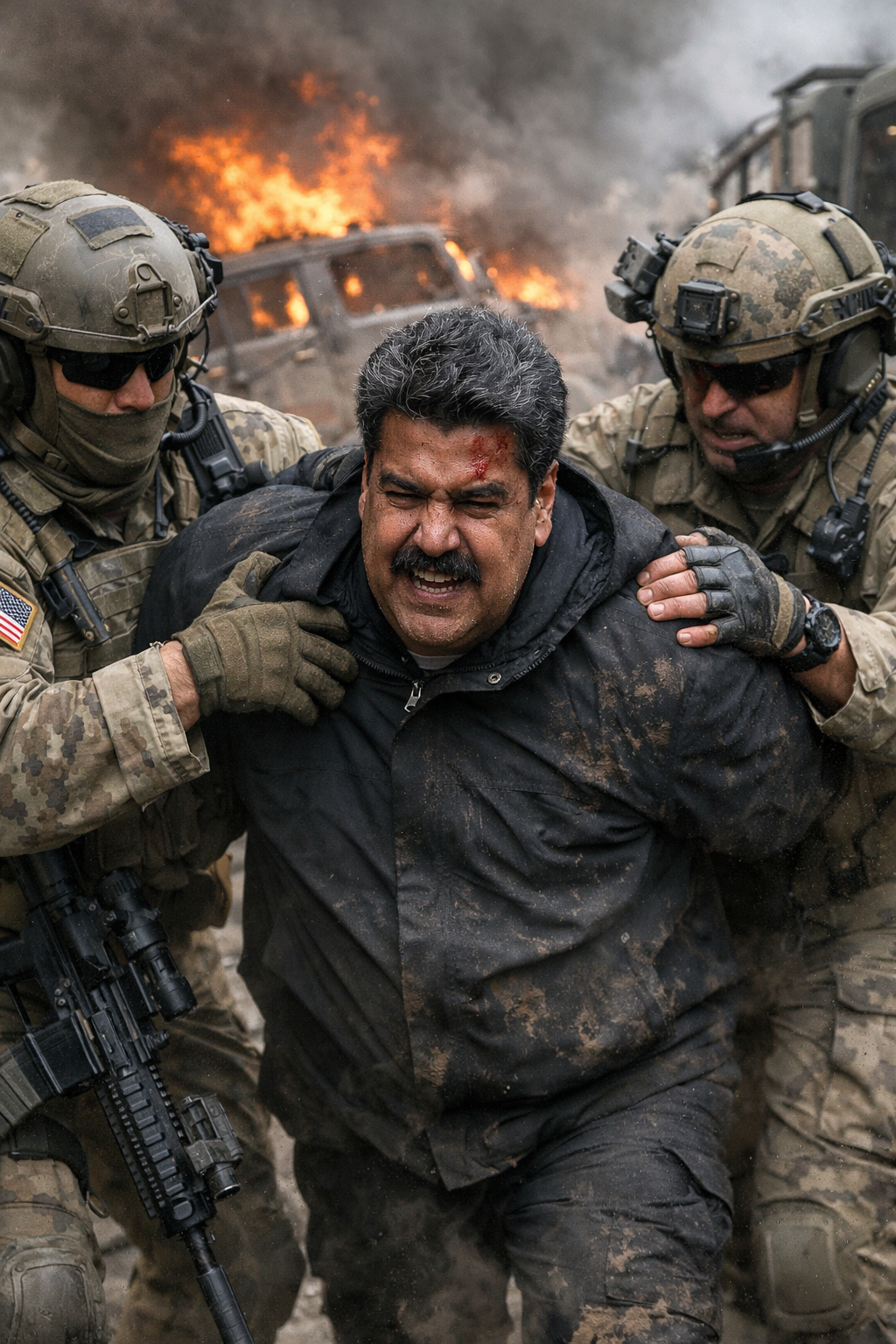
Early January U.S. Military Operation in Venezuela Sparks Explosions and Global Alarm
In the early hours of January 3, 2026, the United States launched a coordinated military operation against strategic military targets across Venezuela, including bases near the capital, Caracas, as explosions and low-flying aircraft were reported by residents across multiple districts. President Donald Trump announced that the U.S. had executed a “large-scale strike” aimed at detaining Venezuelan President Nicolás Maduro and his inner circle, citing long-standing accusations of international narcotics trafficking and threats to regional security.
At least seven blasts were heard just after 2:00 a.m. local time, and the Federal Aviation Administration issued a flight restriction over Venezuelan airspace amid ongoing military activity. The overnight assault shook neighbourhoods throughout La Carlota, Fuerte Tiuna, and other key military installations, with satellite imagery later showing significant damage to infrastructure.
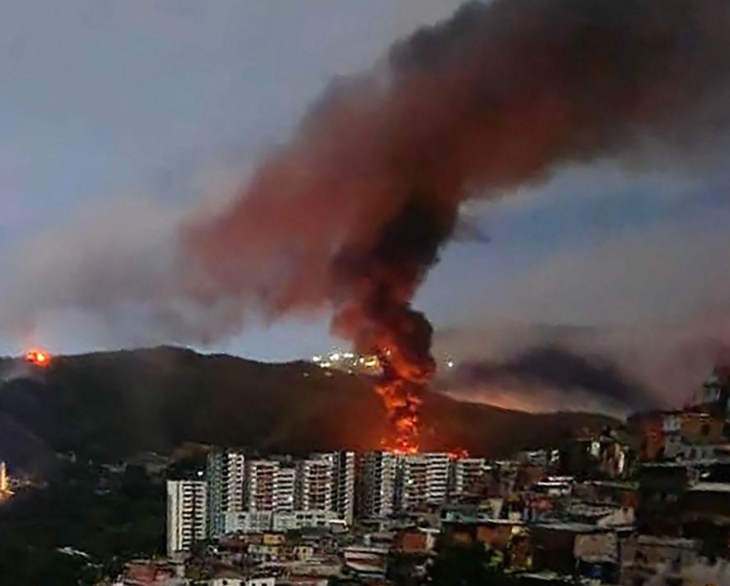
Maduro’s Capture and Evacuation Confirmed by U.S. Government
Hours after the military action concluded, President Trump confirmed via his social platform that Maduro and his wife, Cilia Flores, had been captured and flown out of Venezuela aboard U.S. aircraft, asserting the operation’s success and announcing plans for their prosecution in the United States. Trump described the mission as “brilliant” during statements from his Mar-a-Lago residence, emphasizing that Maduro would face charges tied to narcotics and security offenses.
While the U.S. government stated no American fatalities occurred, it acknowledged injuries to military personnel during the raid. Venezuelan officials including Vice President Delcy Rodríguez, initially rejected the U.S. claims, demanding proof of life and decrying the strikes as illegal aggression and a breach of international law.
Immediate Domestic and Regional Reactions Highlight Deep Divisions
The sudden removal of Maduro triggered sharp political responses. In Caracas, government loyalists condemned the action as a violation of Venezuelan sovereignty, with officials denouncing the presence of foreign troops and calling for mass mobilization to resist what they described as imperialist interference. Protests unfolded both in support of and against the U.S. intervention, reflecting deep societal fractures.
On the regional stage, leaders such as Brazil’s President Luiz Inácio Lula da Silva publicly condemned the operation as having crossed an “unacceptable line,” urging the United Nations to take decisive action, while others called for de-escalation and diplomatic engagement. The European Union and United Nations scheduled emergency briefings to address the crisis, underscoring broad international concern over the legality and humanitarian consequences of the strikes.
Geopolitical Implications and Uncertain Path to Stability
Analysts say the operation marks a historic escalation in U.S.-Latin American relations and could reshape Venezuela’s political landscape. Legal experts question the constitutional basis for unilateral military action without explicit congressional authorization, while human rights organizations warn of potential civilian harm and institutional collapse. International markets reacted to news of U.S. oversight of Venezuela’s oil industry and political transition, as Trump indicated American companies might assist in reconstruction and energy production.
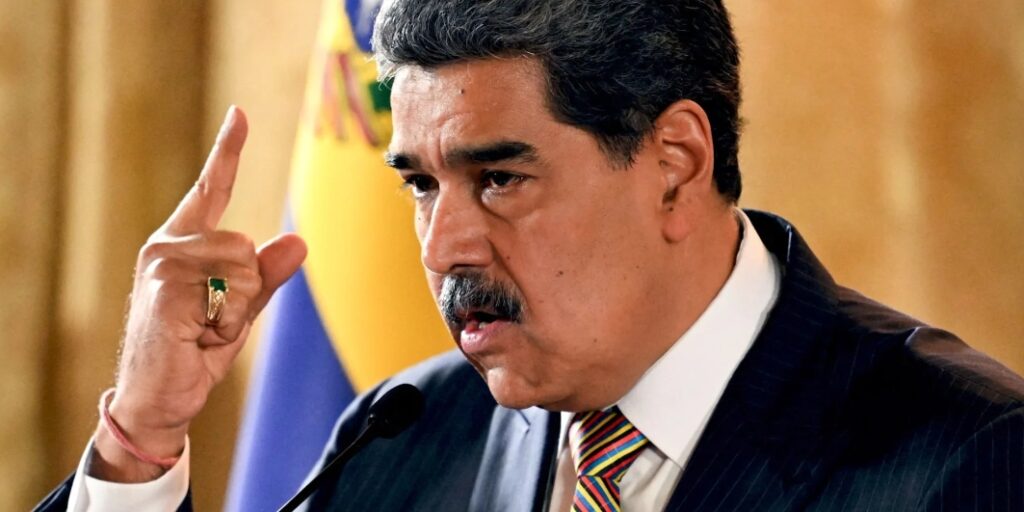
Meanwhile, the lack of clear succession, with Vice President Rodríguez’s location initially unclear adds a volatile layer to governance prospects. The broader geopolitical response, including condemnation from China as a violation of international norms, suggests long-term regional diplomatic tensions ahead even as the immediate chapter of Maduro’s detention concludes.