


Stability at Stake: How Three Democracies Are Redefining Eastern Mediterranean Security
A Calculated Show of Unity in a Fragmented Eastern Mediterranean
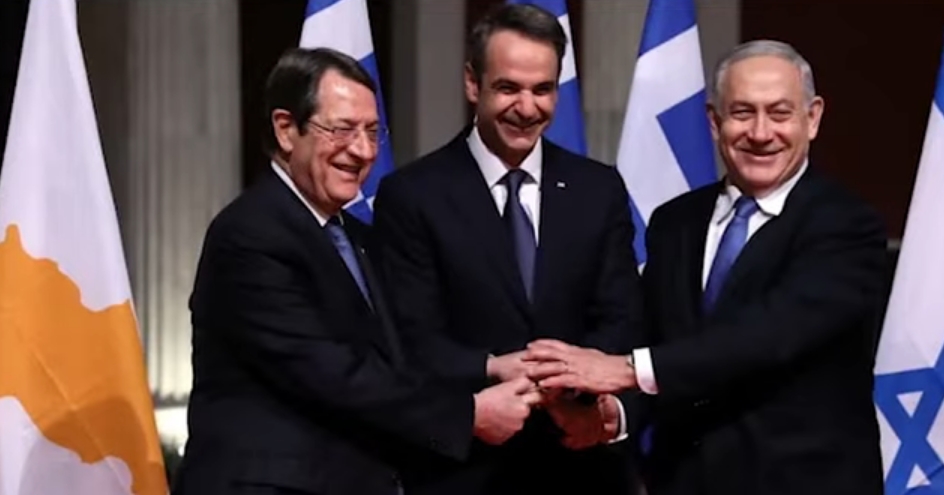
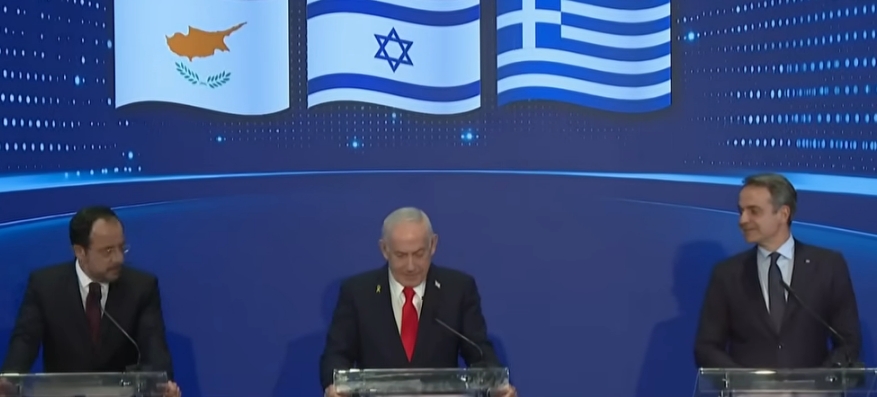
The joint statements delivered by the leaders of Israel, Greece, and Cyprus underscored a calculated effort to project stability in an increasingly volatile Eastern Mediterranean. Speaking during the trilateral meeting highlighted in the AC15 broadcast, Israeli Prime Minister Benjamin Netanyahu emphasized that the partnership rests on “shared democratic values and common security interests,” noting that the region’s instability demands structured cooperation rather than ad hoc alliances. Greek Prime Minister Kyriakos Mitsotakis agreed with this idea, calling the trilateral framework a “pillar of predictability” when trust in the region is still weak. Their comments show a diplomatic path that has been getting deeper since the first trilateral summit in 2016.
Energy Cooperation Turns Diplomatic Alignment into Economic Strategy
Cyprus President Nikos Christodoulides stated that cooperation on natural gas development and electricity interconnection was “no longer theoretical but operational,” referencing ongoing work on Eastern Mediterranean energy corridors. According to data from the International Energy Agency, Eastern Mediterranean gas reserves exceed 2 trillion cubic meters, positioning the region as a strategic supplement to European energy diversification efforts following the Russia–Ukraine conflict. This economic dimension adds material weight to the leaders’ declarations, transforming diplomatic language into infrastructure-driven policy.
Security and Deterrence Drive the Trilateral Framework Forward
Beyond energy, the leaders framed security coordination as a stabilizing counterweight to regional conflict spillovers. Netanyahu pointed directly to the October security crisis in Israel, arguing that intelligence sharing and joint military exercises with Greece and Cyprus contribute to “deterrence through cooperation.” NATO-aligned Greece has hosted multiple trilateral military drills since 2017, while Cyprus has expanded port access agreements with Israeli naval forces, according to reporting by regional defence analysts. These developments suggest that the partnership is evolving from symbolic alignment into functional security architecture.
From Symbolic Dialogue to Enduring Regional Architecture
Taken together, the joint statements reveal a deliberate attempt to institutionalise cooperation amid uncertainty rather than react defensively to crises. Mitsotakis concluded that the trilateral model “proves that geography does not dictate destiny, but policy does,” a line that encapsulates the meeting’s strategic tone. While the alliance does not claim to resolve broader Middle East conflicts, it signals an assertive, rules-based approach to regional order. For those watching, the important thing is not the rhetoric but the consistency. Repeated summits, formal agreements, and growing economic data all point to a partnership that will last.
Ankara’s Edge: Erdogan’s Stark Response to the Israel–Greece–Cyprus Alliance
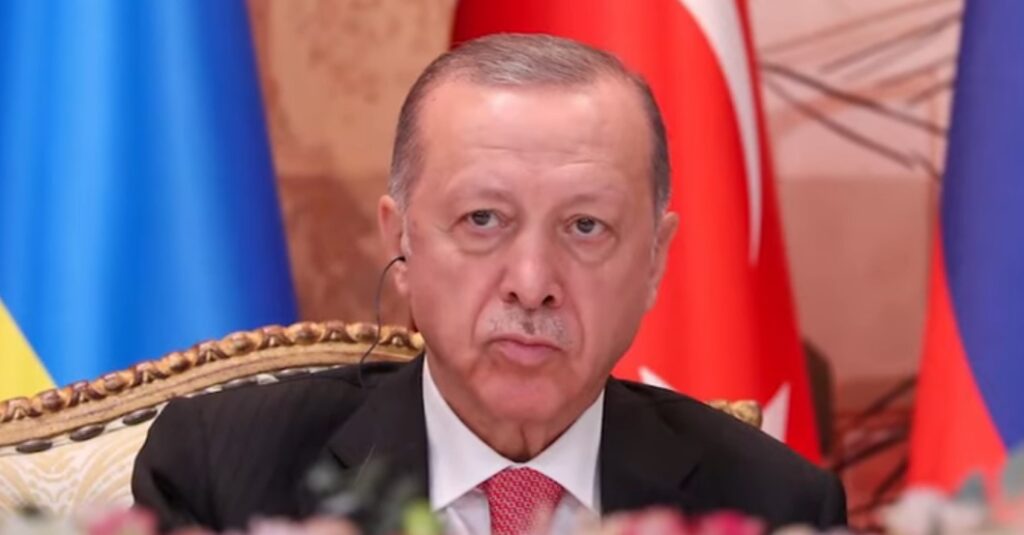
Turkey’s President Recep Tayyip Erdoğan has reacted to the emerging trilateral cooperation with a mix of caution and assertiveness, framing it as a challenge to Ankara’s regional interests rather than a purely benign strategic alignment. Speaking at a naval commissioning ceremony in Istanbul shortly before the summit, Erdoğan asserted that “Turkey will not allow violations of its rights or what belongs to it,” underlining that Ankara remains vigilant over maritime claims and security prerogatives in the Eastern Mediterranean—a direct rhetorical counterweight to the Jerusalem declarations by Israel, Greece, and Cyprus.
The official Turkish media and analysts have described the tripartite initiative as potentially forming a “dirty front” aimed at containing Turkey’s influence, illustrating how Turkish political narratives are weaponising the alliance’s optics. While Erdoğan also proclaimed at the ceremony that Turkey “does not want any tension, crisis or conflict with any country,” his emphasis on defending Turkish interests reflects Ankara’s broader strategic posture under its “Blue Homeland” doctrine, which seeks to assert maritime rights across contested waters. This response shows a bigger diplomatic divide: Ankara’s strong claims to its territory versus the three partners’ united effort for what they call a teamwork approach to security and energy in a changing regional power landscape.