




How Israel’s AI Brigade and Smart Missiles Are Redefining Modern Warfare
In a decisive move to secure a technological edge, the Israel Defence Forces (IDF) has centralized its artificial intelligence capabilities under a new operational-tech division named “Bina” (Hebrew for “intelligence”). This “AI Brigade,” established within the C4I and Cyber Defence Directorate, consolidates nearly all of the military’s existing AI units. The strategic goal, as articulated by Maj. Gen. Aviad Dagan, is to build an efficient “machine” for the coming decade that can radically amplify force effectiveness: “To turn one tank into a hundred tanks, one soldier into a hundred fighters”. This represents a foundational shift from merely adding hardware to multiplying combat power through data and algorithms, aiming to create a force were intelligence and automation act as core combat multipliers.
This algorithmic shift is mirrored in the physical domain by a new generation of “smart” munitions. Israel’s defence industry is producing guided missiles that leverage AI and novel guidance systems to overcome modern battlefield challenges. For instance, Israel Aerospace Industries recently unveiled the “Teaser,” a lightweight missile it describes as the “first guided missile in the world using an external optical guidance without a homing sensor”.
This design makes it immune to GPS jamming, a critical feature learned from contemporary electronic warfare environments. Similarly, Rafael Advanced Defence Systems’ SPIKE LR II missile incorporates AI for smart target tracking, enabling it to sustain lock-on in challenging conditions with minimal human intervention. These systems exemplify a trend where the weapon itself becomes an intelligent node in a networked battlespace.
The most profound redefinition of warfare, however, occurs in the command and targeting process. IDF officials have acknowledged using AI-based tools for targeting support, intelligence analysis, and streamlined command and control.

Systems like “Habsora” (The Gospel) an AI-based tool that quickly generates potential military targets, and the “Fire Factory,” which analyses vast datasets to calculate ammunition needs and prioritize strikes, have moved from concept to combat deployment. These tools can execute in seconds tasks that previously required weeks of analyst labour, enabling a pace and scale of operations previously unimaginable. This fusion of AI-driven decision support with precision smart munitions is setting a new paradigm for modern conflict, one where the speed of data processing is as decisive as the speed of the missile.
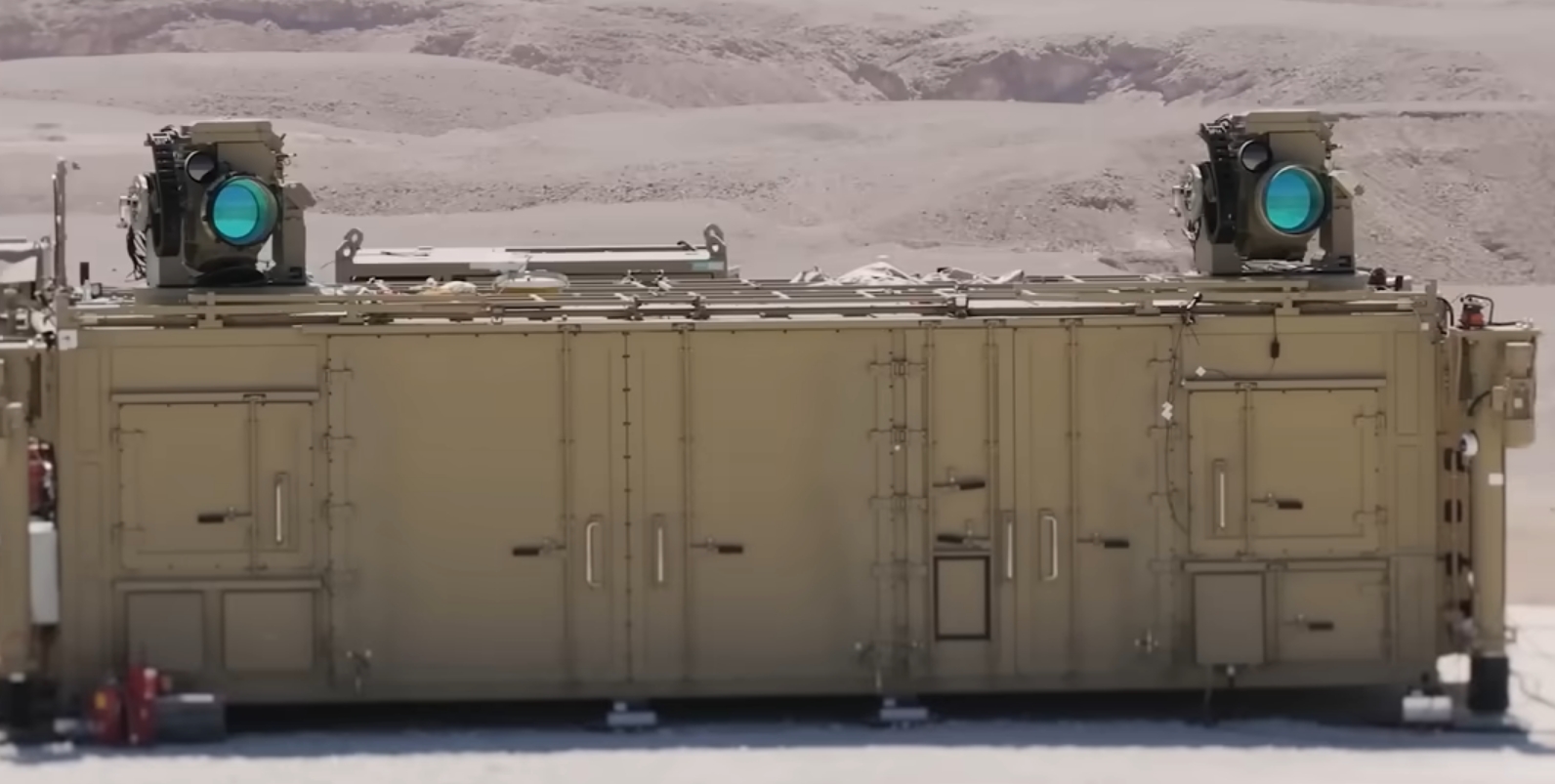
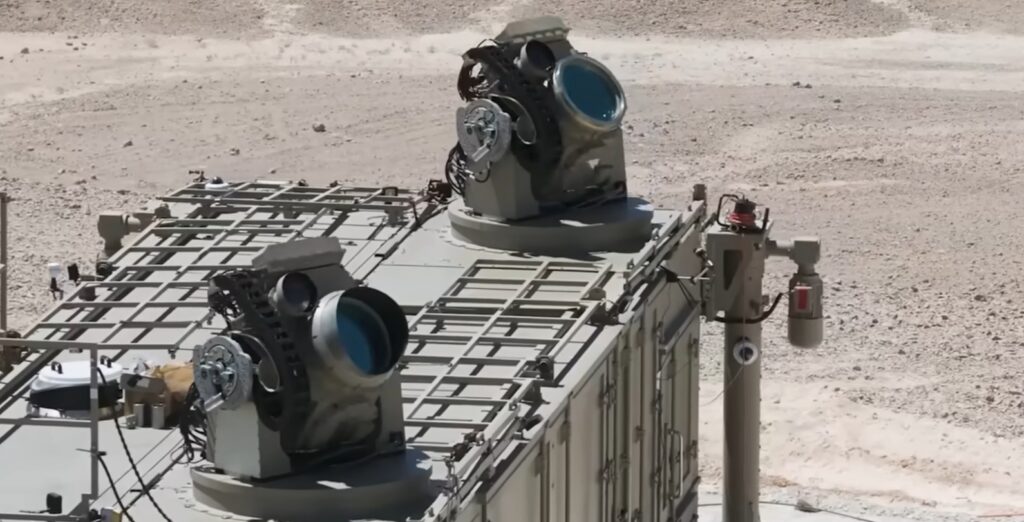
Israel’s new laser beams anti-defence system is now operational. Several tests carried out show the engineering ingenuity. At the testing ground, the powerful laser anti-defence beam neutralised every target, including missiles. Following a final, comprehensive series of trials in southern Israel, the Defence Ministry announced the completion of the “Iron Beam” system’s development and its handover to the Israeli Air Force for operational deployment. The system proved its effectiveness in a complete operational configuration by successfully intercepting rockets, mortar shells, unmanned aerial vehicles (UAVs), and aircraft across a wide range of simulated combat scenarios.
This technological breakthrough, which the ministry calls a “global… engineering breakthrough,” utilizes a 100-kilowatt laser and advanced adaptive optics to focus a stable beam that can destroy targets within seconds. The system’s deployment by the end of December 2025 adds a critical fifth layer to Israel’s air defence, working alongside the Iron Dome to counter short-range, low-cost threats like drones and rockets with a marginal cost of just a few dollars per shot, a revolutionary advantage over traditional missile interceptors. Defence officials state this “game-changing” capability fundamentally alters the battlefield’s cost equation, allowing Israel to defend against sustained barrages of inexpensive threats without depleting expensive interceptor inventories