

Conflicting Nigerian Detainee Reports Raise Alarms Over Media Credibility and Governance
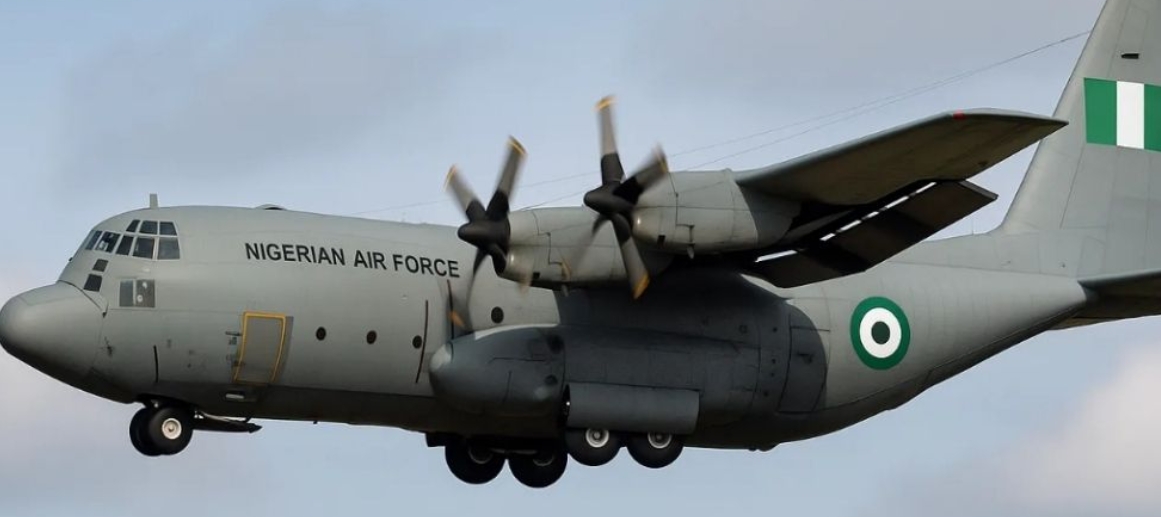
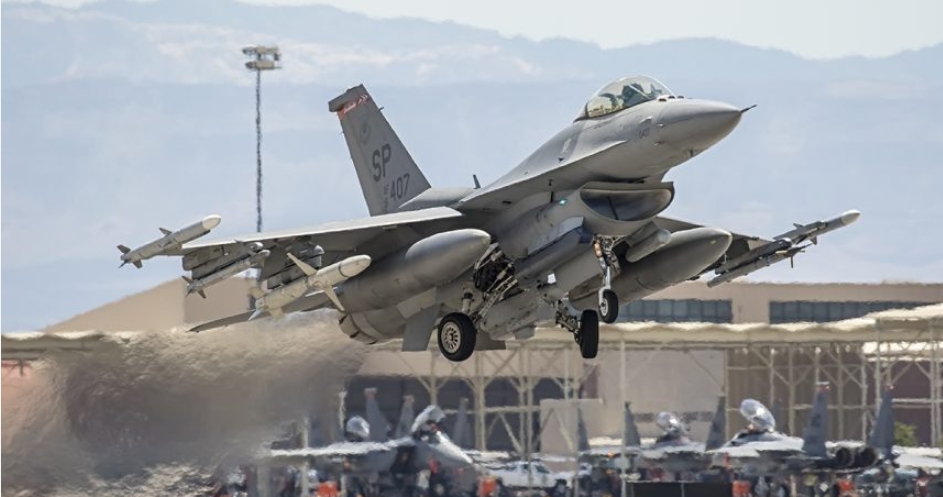
The ongoing detention of 11 Nigerian Air Force personnel in Burkina Faso, now entering its seventh day, has exposed more than a diplomatic rift between West African neighbors. It has laid bare a profound crisis within Nigerian journalism and the government’s relationship with the press. Following the aircraft’s precautionary landing in Bobo-Dioulasso on December 8 due to a technical issue, Burkinabe authorities cited an “unauthorised” entry into its airspace as grounds for detention, an act condemned by the Confederation of Sahel States (AES) as a sovereignty violation. While the Nigerian Air Force confirmed the personnel’s safety, the subsequent information vacuum and conflicting official statements have created a breeding ground for public mistrust and media confusion.
This incident has starkly highlighted the dangers of a media ecosystem over-reliant on government press releases instead of investigative rigor. Initial reports from several major Nigerian outlets, based on official statements, suggested the soldiers had been released. This narrative was directly challenged by Arise Television anchor Rufai Oseni, who reported that the crew remained detained because the federal government had not formally clarified their mission to Burkinabe authorities. The contradiction points to a systemic failure where official pronouncements are taken at face value. Reporters Without Borders ranks Nigeria 122 out of 180 countries in press freedom, noting it is “one of West Africa’s most dangerous and difficult countries for journalists,” who face regular monitoring, attacks, and arbitrary arrest. This environment naturally encourages reliance on less risky official channels over independent fact-finding.
The pressure on Nigerian media is institutional, creating a chilling effect that stifles the accountability journalism essential in a democracy. Authorities maintain significant leverage through regulatory and legal frameworks. The National Broadcasting Commission (NBC) exerts control, and laws like the Cybercrimes Act are weaponized to prosecute journalists. A prevalent tactic is the use of Strategic Lawsuits Against Public Participation (SLAPPs), meritless lawsuits designed to intimidate and silence critics, draining their resources and forcing self-censorship. As emphasized in a recent dialogue on civic space, “Journalists should not be treated as political pawns but as human beings who, at great cost to themselves, serve a critical social purpose”. This restrictive climate explains the initial, uncritical replication of the government’s narrative on the Burkina Faso detainees.
Ultimately, the path forward requires a dual commitment: robust protection for independent journalism and transparent governance. Investigative work in Nigeria, such as exposés on fake fertilizers in Kenya or corrupt scholarship schemes in Ghana, proves that impactful accountability journalism is possible and can spur official action. For the immediate crisis, resolving the soldiers’ fate hinges on clear diplomatic communication, as analyst Rufai Oseni noted. For the nation’s long-term health, defending press freedom as an “everyday essential” is non-negotiable. This means authorities must cease SLAPPs, guarantee access to information, and reform repressive laws. Only then can the media fulfil its role as a true check on power, preventing future informational failures and strengthening Nigerian democracy.