
Senator Ali Ndume Criticizes Tinubu’s Appointments, Security Lapses, and Borrowing Practices
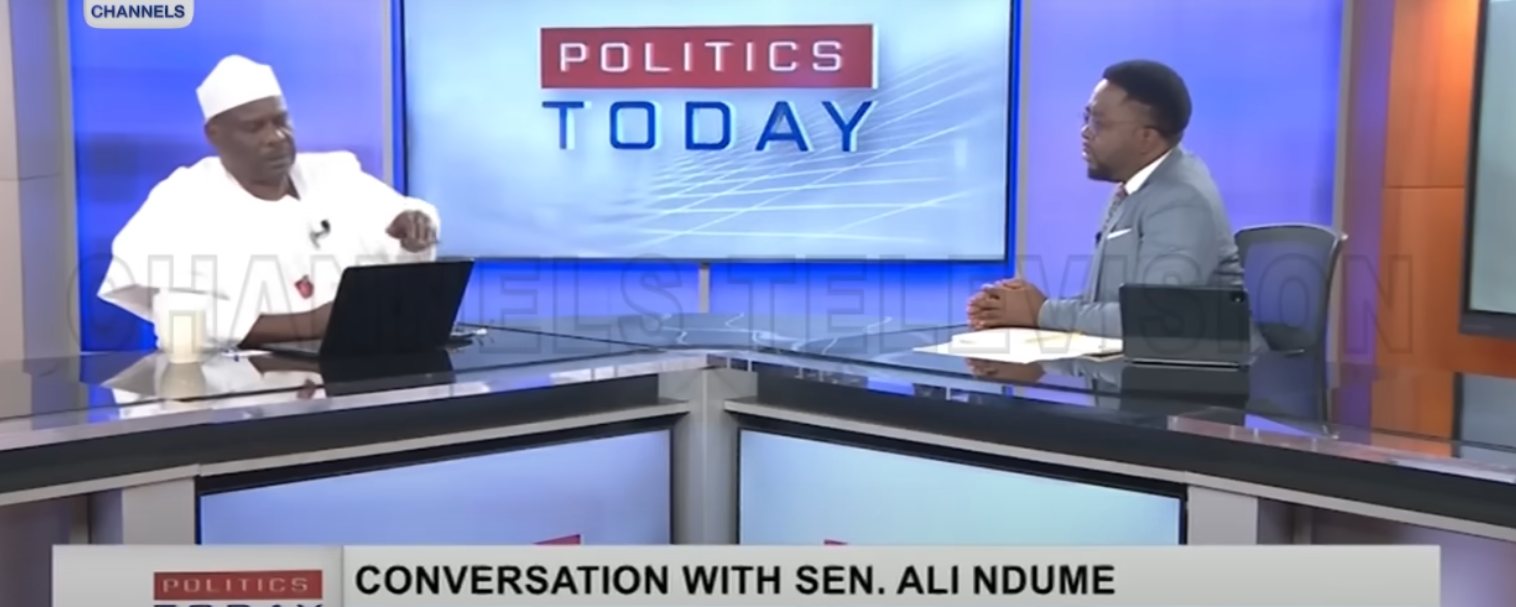
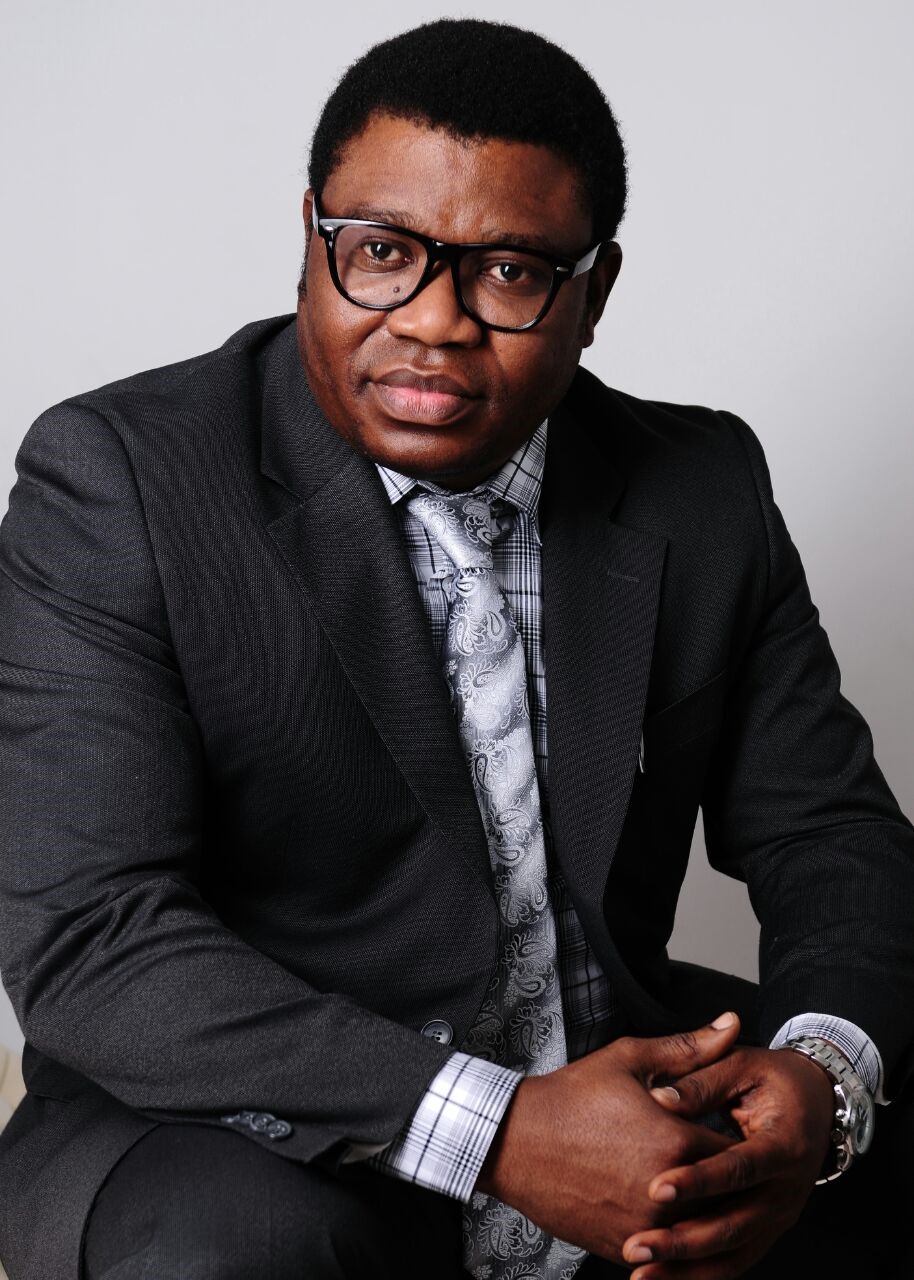
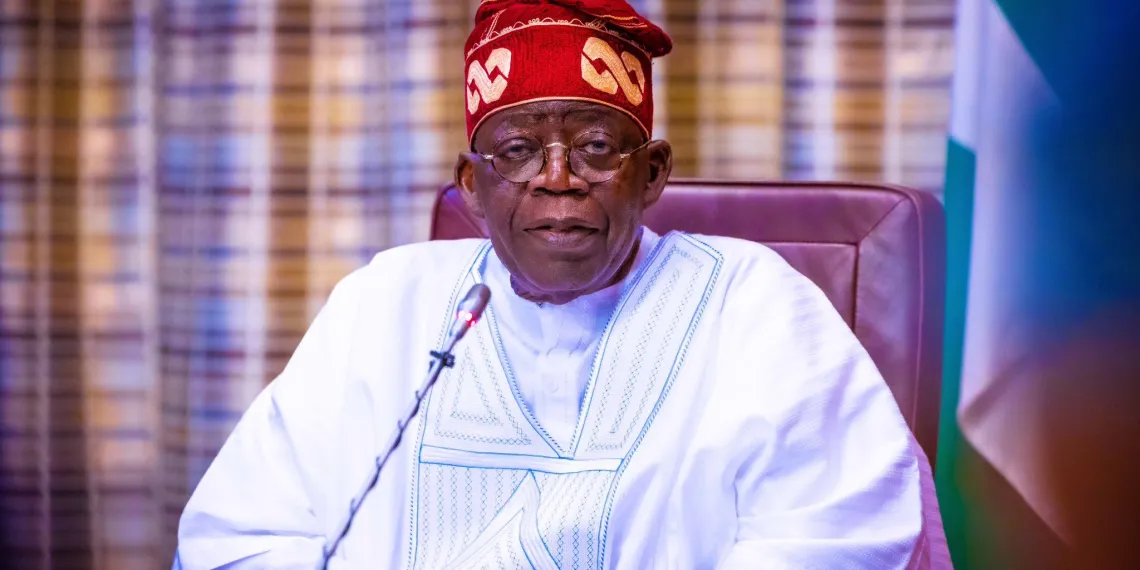
Senator Ali Ndume, a prominent figure in Nigeria’s ruling All Progressives Congress (APC), has once again positioned himself as a vocal critic of the federal government, raising alarms over constitutional violations, insecurity, and fiscal practices. In a recent interview with Channels TV, Ndume accused President Bola Tinubu’s administration of disproportionately favouring the Southwest in political appointments, neglecting security challenges, and engaging in opaque borrowing. His critiques, often met with backlash from pro-government factions, underscore deepening tensions within the APC and broader concerns about governance.
Federal Character Violations: A Constitutional Breach
Ndume’s primary contention centres on alleged violations of Nigeria’s Federal Character Principle, enshrined in Section 14(3) of the Constitution, which mandates equitable representation in public appointments. He claims over 70% of Tinubu’s political appointees hail from the Southwest, the President’s geopolitical zone, skewing national unity. “The figures are there,” Ndume asserted, referencing data he provided to media outlets. While acknowledging the President’s prerogative to appoint qualified individuals, he stressed that political appointments must reflect Nigeria’s diversity to prevent regional alienation.
Ndume dismissed arguments prioritizing competence over federal character, clarifying that his critique targets political—not professional—appointments (e.g., military roles requiring technical expertise). He warned that such lopsidedness could “boomerang,” fuelling discontent. Despite accusations of partisanship, Ndume emphasized his constitutional duty to hold the government accountable: “We swore to oversee the executive…it’s not personal.”
Security Crisis: Stalemate in Borno, Plateau, and Beyond
Shifting to security, Ndume painted a grim picture of Nigeria’s instability, citing recent attacks in Borno, Plateau, and Edo states. In his home state of Borno, he reported escalating Boko Haram and ISWAP activities, including the killing of soldiers and civilians. Despite military efforts, he described a “stalemate,” criticizing underfunded and demoralized armed forces. “Soldiers earn as low as ₦50,000 monthly,” he revealed, questioning their capacity to combat insurgency.
As a former Senate Committee Chairman on the Army, Ndume advocated for pragmatic solutions, including hiring private military contractors (PMCs)—a proposal rejected by Chief of Defence Staff General Christopher Musa. He argued that PMCs could neutralize threats in “black spots” like Borno, freeing the military for broader operations.
Borrowing Spree: Loans for “Intangible” Projects
Ndume also scrutinized the Tinubu administration’s borrowing habits, citing 9. 45 billion in loans acquired since June 2023. While acknowledging borrowing’s role in development, he criticized allocations to “intangible” projects like 500 million for women’s programs and $800 million for post-subsidy palliative measures. “Where are the poor people benefiting from these loans?” he asked, contrasting such spending with infrastructure deficits.
He raised procedural concerns, alleging that many loans bypassed National Assembly scrutiny. Although the Senate approves medium-term expenditure frameworks, Ndume insisted each loan requires itemized justification. “These [loans] are being paid back over 40 years…our grandchildren will bear the burden,” he warned, urging transparency and investment in railways, roads, and energy.
Accountability and 2027 Politics
Defending his critiques, Ndume rejected claims of disloyalty to the APC, framing his actions as patriotic oversight. “Nigeria is my country; I have no other,” he stated, dismissing attacks from “Tinubu’s boys” focused on 2027 elections. He urged the government to prioritize immediate security, welfare, and economic stability over future politicking: “If the government performs, 2027 will take care of itself.”
When challenged on his solitary stance among senators, Ndume attributed it to divergent “makeups,” not complicity. “God created me differently,” he remarked, claiming silent support from colleagues unwilling to “take the bullet.”
Conclusion: A Call for Course Correction
Ndume’s interview underscores systemic governance challenges, from ethno-regional equity to fiscal responsibility. While the administration dismisses his allegations as “mischief,” his critiques resonate with public frustrations over insecurity and economic hardship. As Tinubu approaches his second year in office, Ndume’s warnings highlight the urgency of addressing Nigeria’s fissures—before they deepen into irreparable cracks.
Key Takeaways
- Federal Character: Ndume demands equitable political appointments to reflect Nigeria’s diversity.
- Security Stalemate: Immediate action is needed to revitalize military morale and explore PMCs.
- Borrowing Transparency: Loans must fund tangible infrastructure, with rigorous legislative oversight.
- Accountability Over Loyalty: Ndume prioritizes national interest over partisan solidarity, urging governance rooted in constitutional mandates.
As Nigeria navigates these crossroads, Ndume’s voice—though contentious—remains a barometer of grassroots grievances and institutional accountability.