

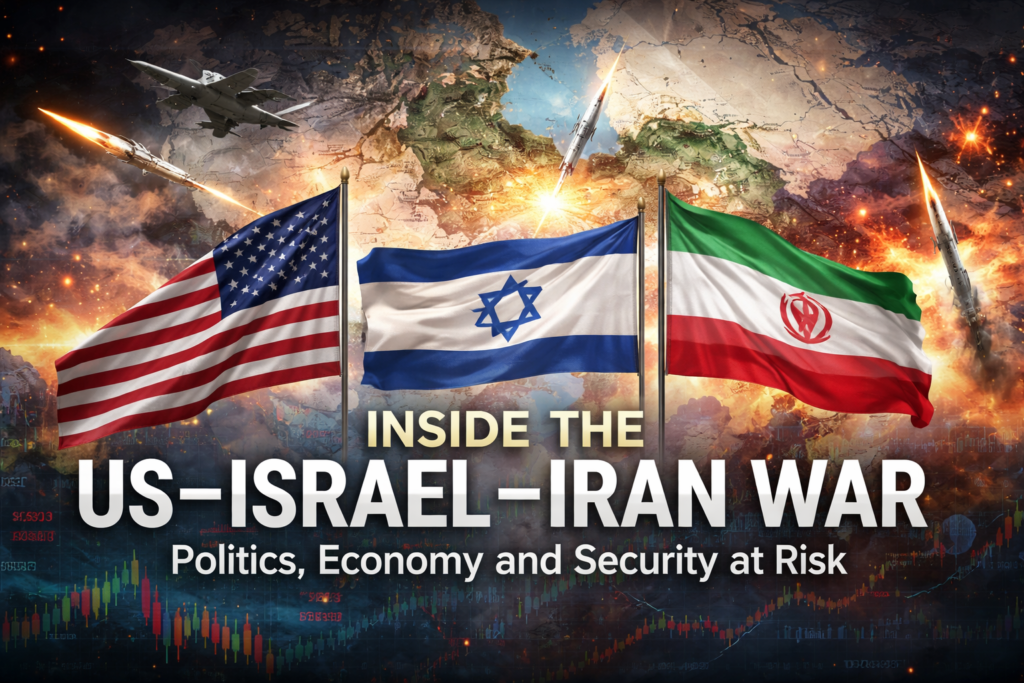
U.S. Airman, Found and Rescued
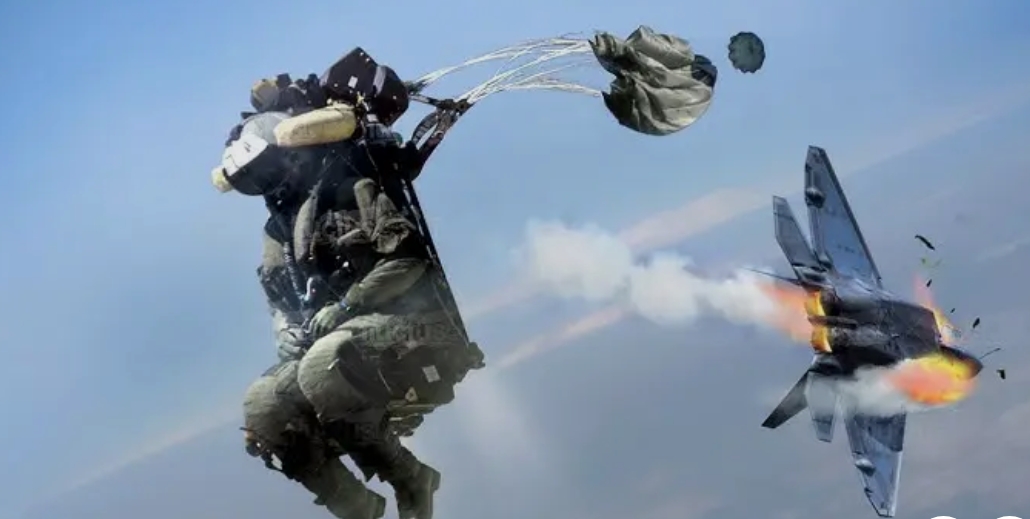
The Rescue That Ended Days of Uncertainty
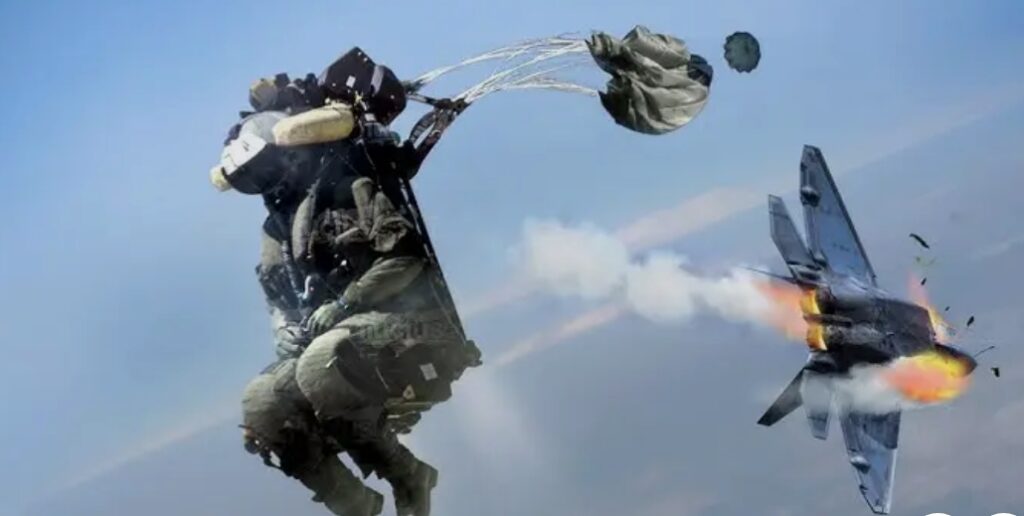
Reports confirm that the missing U.S. crew member from a downed F-15E in Iran has been found alive and rescued during a large search-and-rescue mission. The airman was flown to Kuwait for medical treatment, following the earlier recovery of the second crew member.
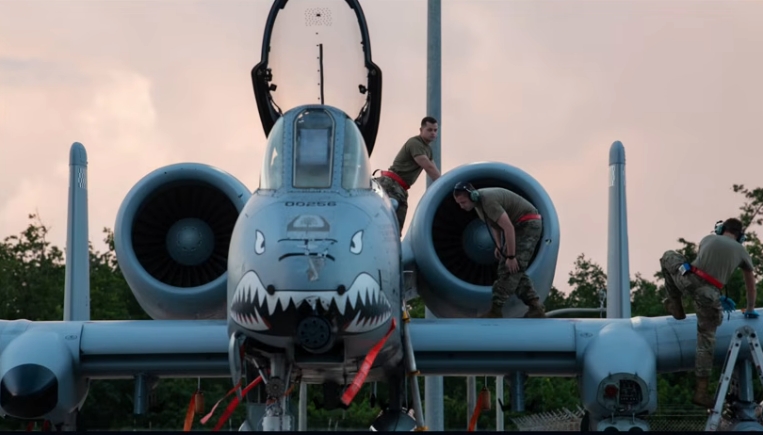
This incident highlights the military’s priority on personnel recovery and the potential for such events to escalate into international crises. The successful rescue without U.S. casualties is viewed as a major operational success, though the incident raises significant political and security concerns.
How the Jet Was Shot Down
The F-15E was reportedly shot down by Iranian air-defense systems amid regional tensions. U.S. officials assert the aircraft was hit by hostile fire, while Iranian state media claims it was downed by newly deployed air-defense systems, though the specific missile system remains unconfirmed.
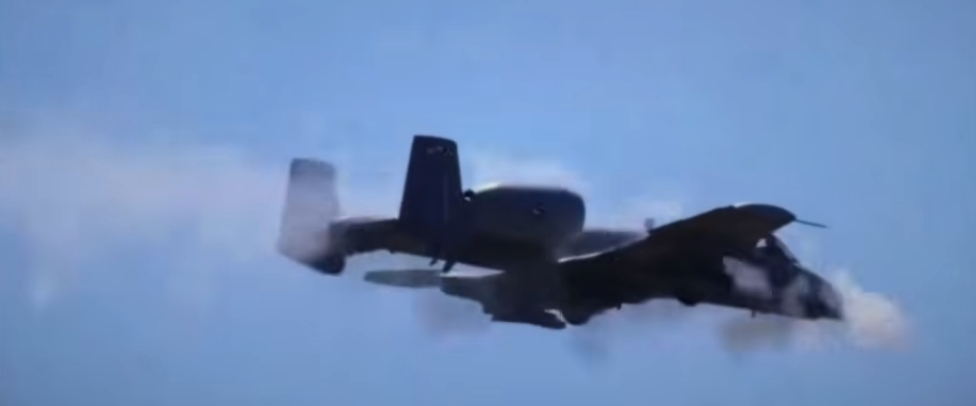
The circumstances surrounding the engagement are unclear, raising questions about whether it was planned, accidental, or a response to military action. This ambiguity is significant as it influences perceptions of whether the incident represents escalation or defense.
The Search Operation on Both Sides
After the jet was downed, U.S. and Iranian forces searched for the missing pilot, with reports suggesting Iran offered a reward for capture. This urgency highlighted the intelligence and propaganda value of captured personnel.
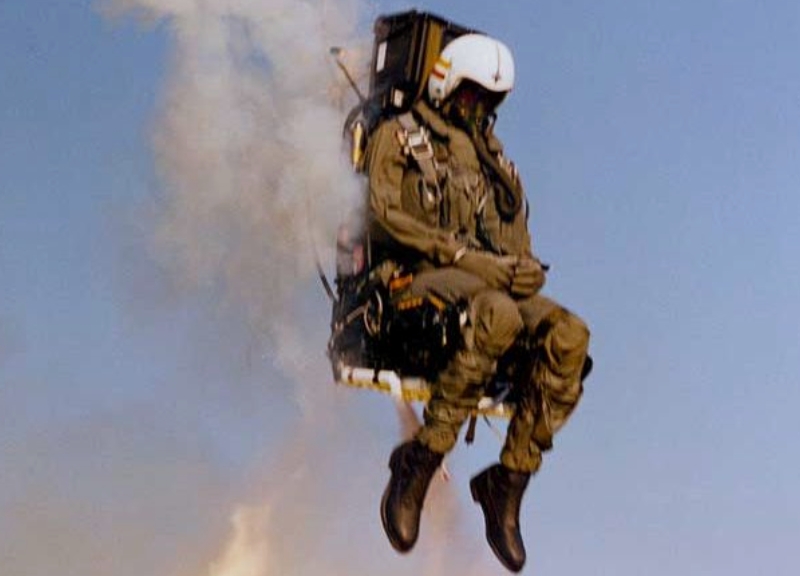
Consequently, the U.S. military acted swiftly to locate and rescue the airman, who evaded capture in difficult mountainous terrain, complicating and endangering the operation.
The Firefight During the Rescue
Some government sources reported that the rescue operation involved a heavy firefight while extracting the airman, indicating armed resistance.
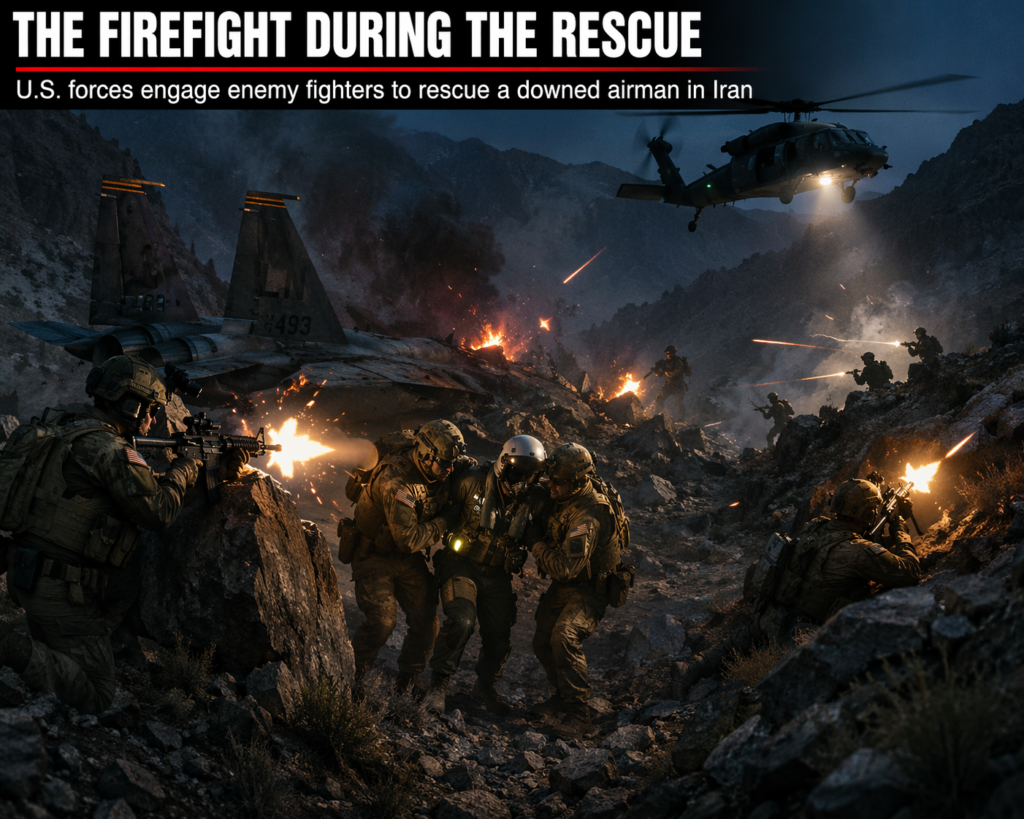
Although official accounts are lacking, the consensus is that the operation was a combat extraction rather than a simple evacuation, marking it as a particularly dangerous military endeavor.
Casualties and Conflicting Information
U.S. sources confirm no American casualties in the recent rescue mission, highlighted in official statements and media. Conversely, Iranian media has not reported any confirmed losses, focusing instead on their prior search efforts.
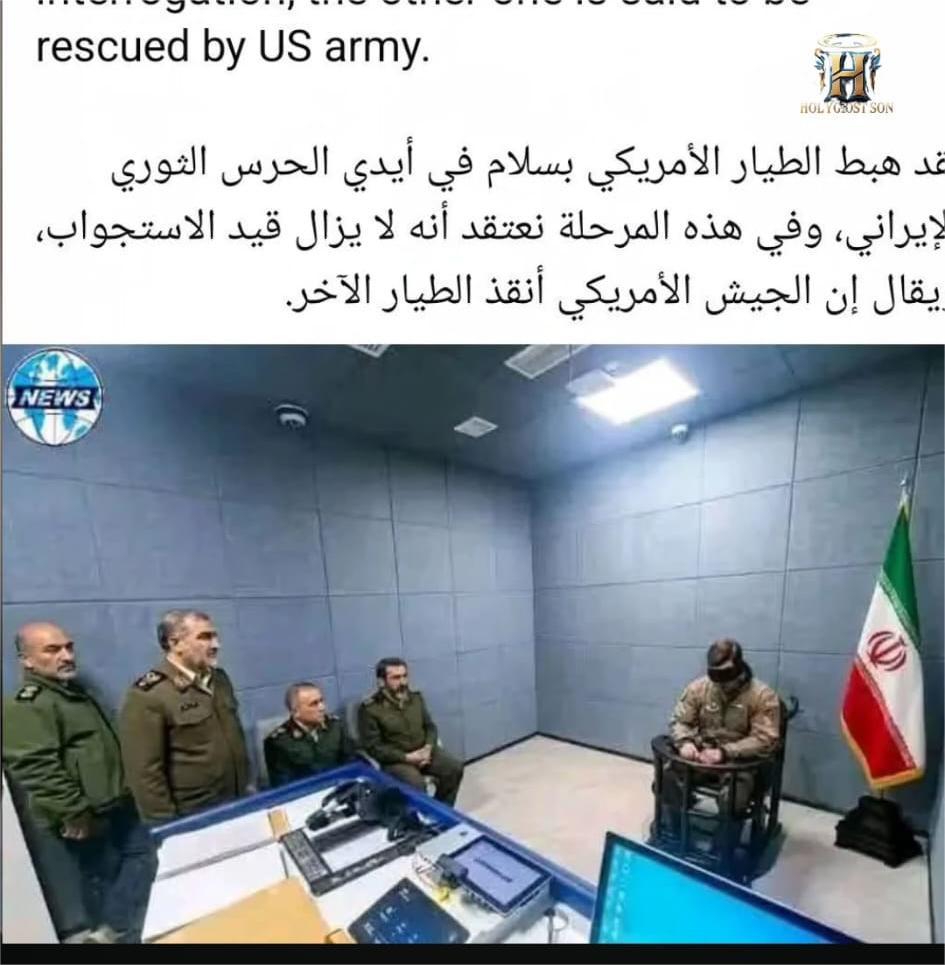
Independent verification of casualties remains unavailable, illustrating the common ambiguity in conflict situations and the influence of information warfare, where each side manages the narrative presented to the public.
Political Implications of the Incident
Politically significant, the incident of a U.S. fighter jet being shot down by Iranian defenses marks a serious escalation.

It raises regional tensions, necessitating a balance between military response and diplomatic strategy. Conflicts can escalate if mismanaged, making cautious official statements from both sides essential.
Security and Military Lessons
From a security perspective, the incident underscores the enhanced capability of Iranian air-defense systems, indicating that their effectiveness against advanced aircraft raises the risk for future operations. It emphasizes that modern warfare focuses on detection and air-defense capabilities in addition to aircraft power.
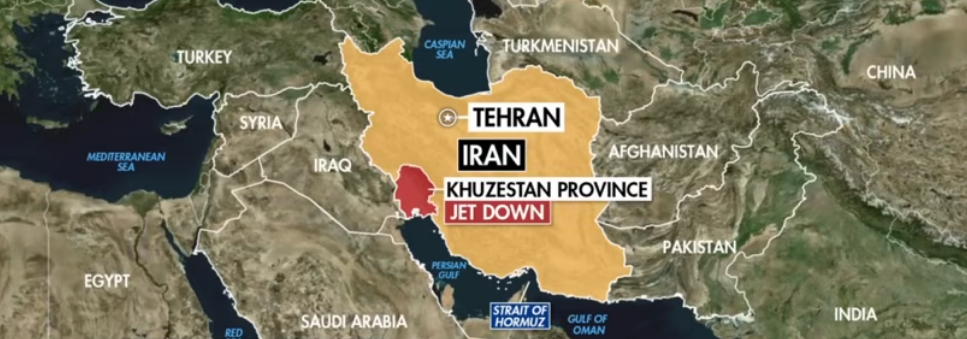
Furthermore, the successful U.S. special operations rescue mission highlights their ability to penetrate hostile territory, locate, and extract personnel, conveying a significant message about military readiness and operational efficiency.
Social and Human Perspective
Beyond politics and military strategy lies a human story of survival, as a pilot evaded capture and was rescued. This incident highlights the human lives at risk behind military headlines.
The pressing issue is whether it will trigger escalation or restraint, with a professional solution advocating for accelerated diplomacy over military responses to avoid a larger conflict that could impact global security and the economy.