

The Rot in INEC, Judiciary, and National Assembly — A Personal Reflection
A Moment of Truth Before Power
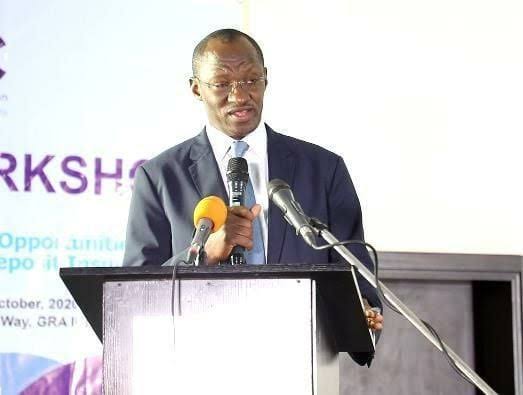
Watching Barrister Mike Igini speak was emotional for me. He spoke boldly in front of those in power. He did not hold back. He exposed profound problems in Nigeria’s electoral system.
He spoke about INEC, the judiciary, and the National Assembly. His message was clear and direct. Nigeria’s democracy is in danger if institutions refuse to do the right thing. His words were not just criticism. They were warnings about the future of Nigeria.
The Problems Igini Clearly Identified
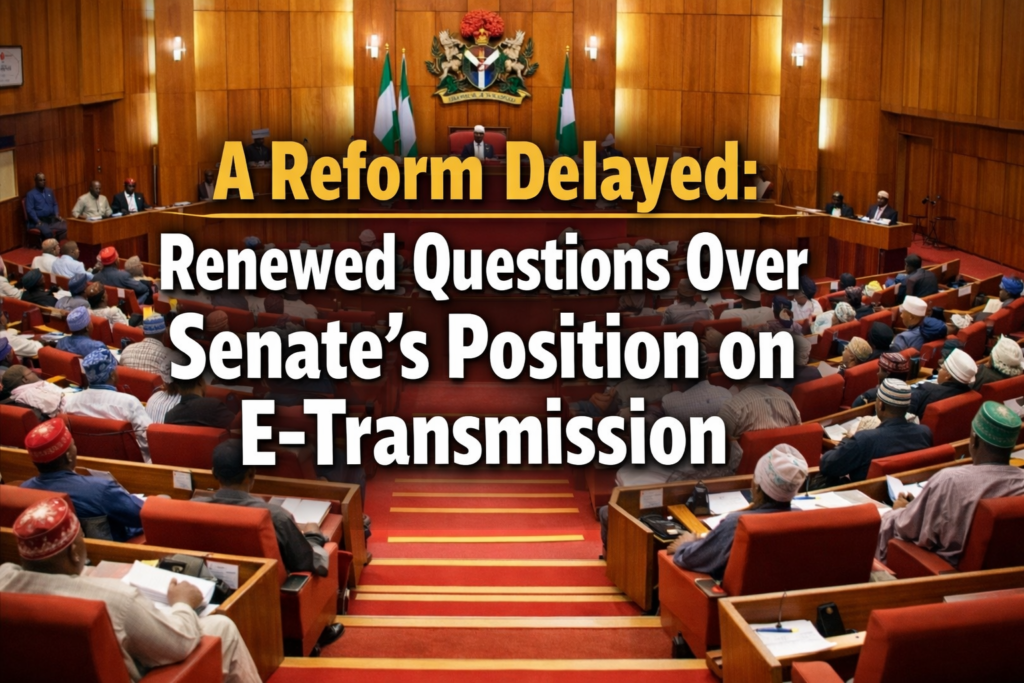
Igini listed many problems affecting elections in Nigeria. He spoke about the refusal to allow full electronic transmission of results. He talked about manipulation during manual collation. He blamed loopholes in the Electoral Act. He also blamed the judiciary for giving conflicting judgments.
He said the National Assembly sometimes creates laws that weaken elections, such as those that limit the powers of electoral bodies or introduce ambiguous regulations that can be exploited. He explained that political interference inside INEC is also a problem, as it undermines the integrity of the electoral process and contributes to the disputes surrounding election outcomes.
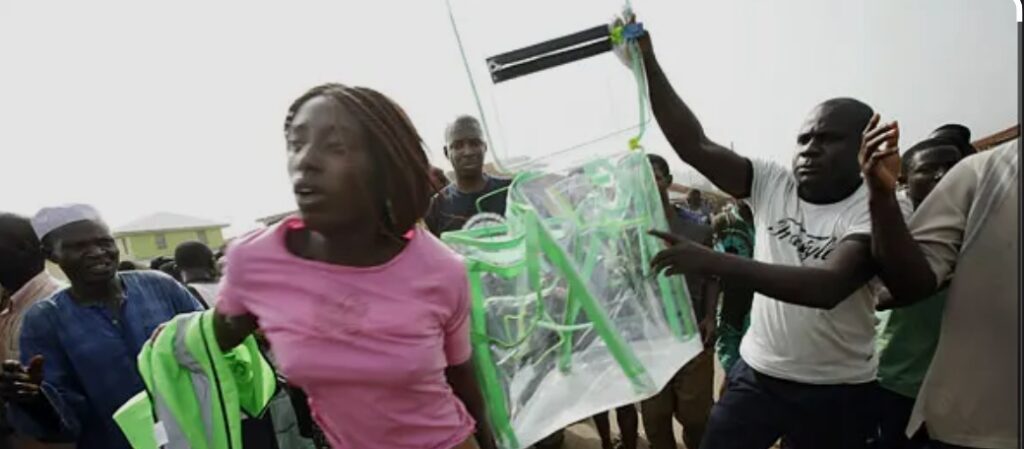
These issues, he said, are the real reasons elections are always disputed, as they undermine the integrity of the electoral process and lead to a lack of public trust in the outcomes.
The Judiciary and National Assembly Under Fire
Igini was very direct about the judiciary. He said the courts sometimes fail to defend the law. He said clear laws are ignored or misinterpreted. Such conduct weakens democracy. He also warned the National Assembly not to remove electronic transmission from the law.
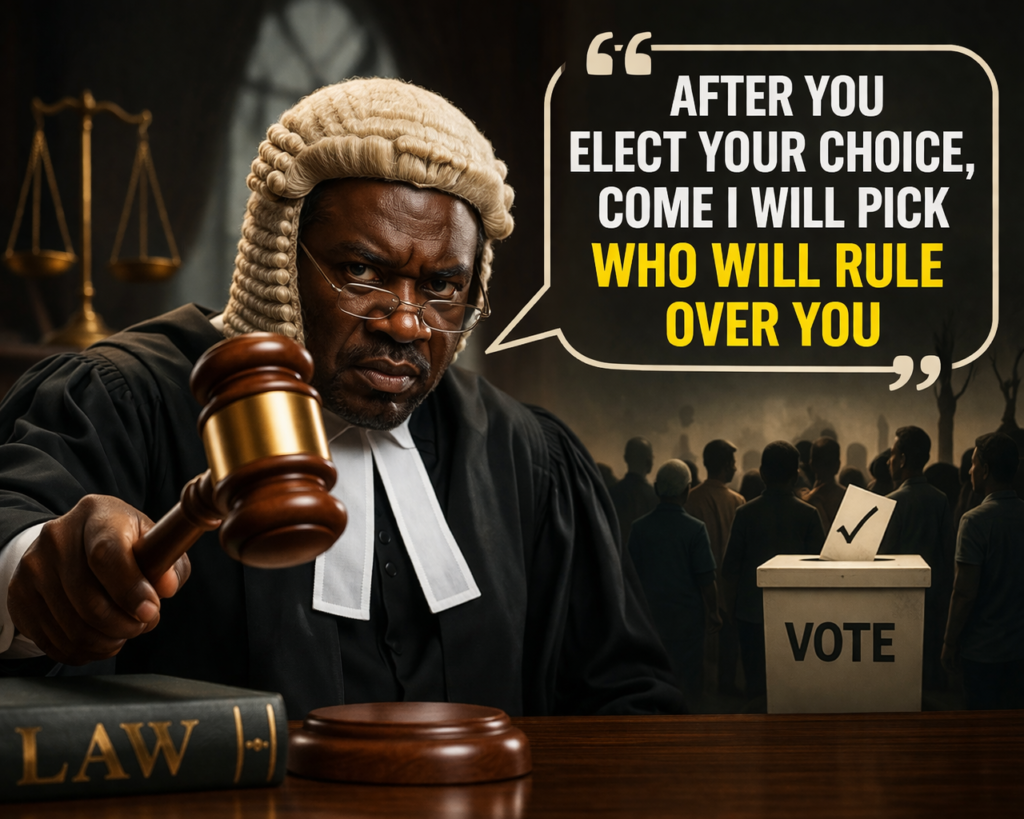
According to him, lawmakers may suffer from the same manipulation they ignore today, which could lead to a loss of public trust and further erosion of democratic principles. He called this “institutional self-harm.”. He believes bad laws can destroy democracy slowly.
The Solutions Igini Proposed
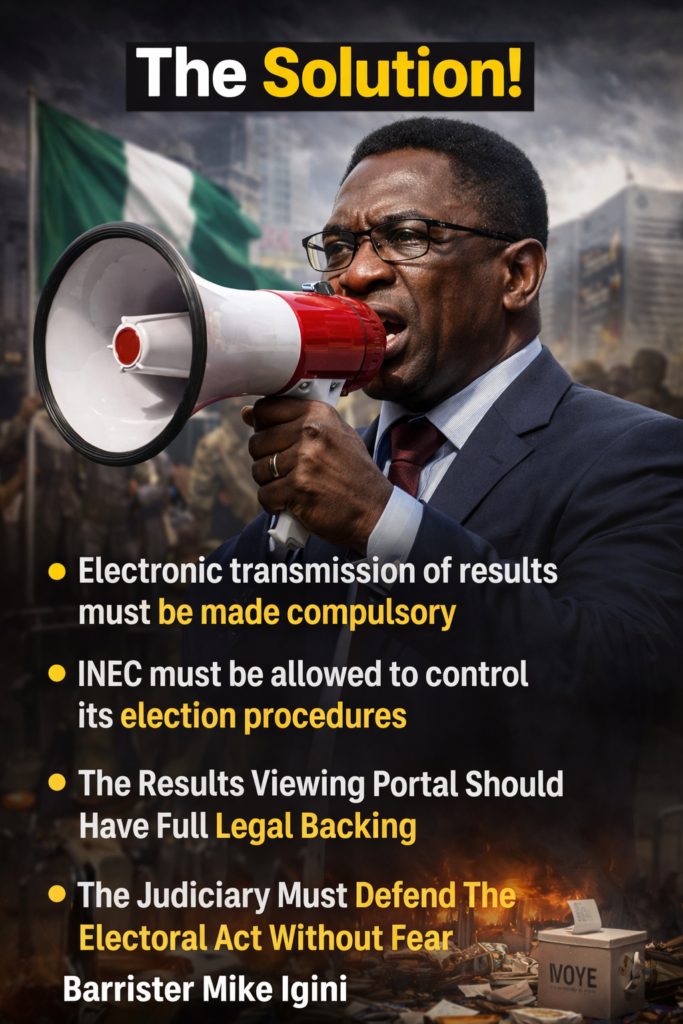
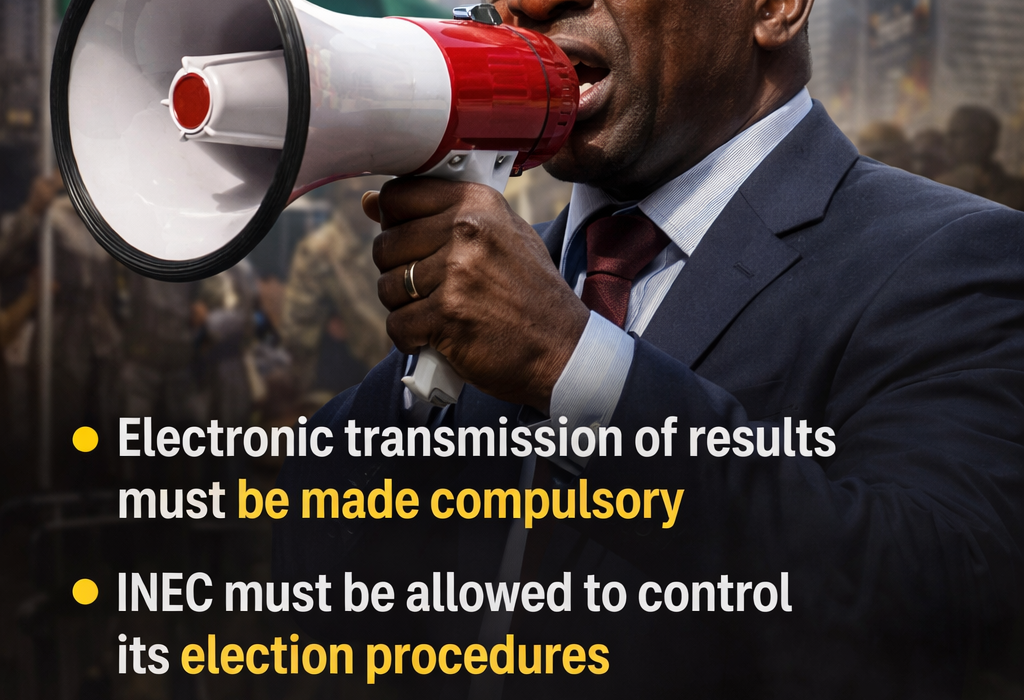
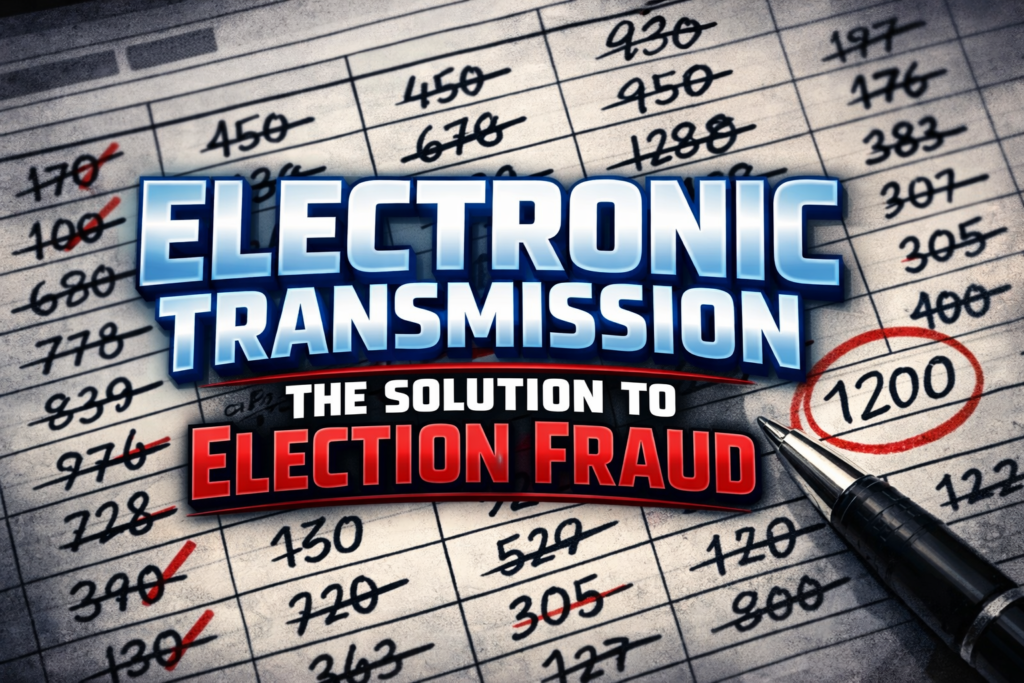
Igini did not just complain. He offered solutions. He said electronic transmission of results must be made compulsory. He said INEC must be allowed to control its election procedures. He said the results viewing portal should have full legal backing.
He also said the judiciary must defend the Electoral Act without fear. Finally, he said Nigerians must demand transparency. These solutions are practical and possible if leaders are sincere, as they can lead to improved governance and increased public trust in the electoral process.
How These Problems Affect Nigeria Today
Such a situation leads to poverty and unemployment. It also creates anger among citizens. That anger sometimes leads to violence and insecurity. So, the election problem is also an economic and security problem.

The Social Impact on Ordinary Nigerians
Ordinary Nigerians are losing faith in democracy. Many people believe their votes do not count. This belief is dangerous for any country. When people lose trust in elections, they lose trust in government. This leads to protests, unrest, and division. Igini’s speech showed that the problem is not the people. The problem is the system and those managing it.
More Light on the Possible Solutions
Nigeria must reform its electoral system completely. Electronic transmission should be automatic, not optional. Election offenders must be punished. The judiciary must deliver judgments based on law, not technicalities.
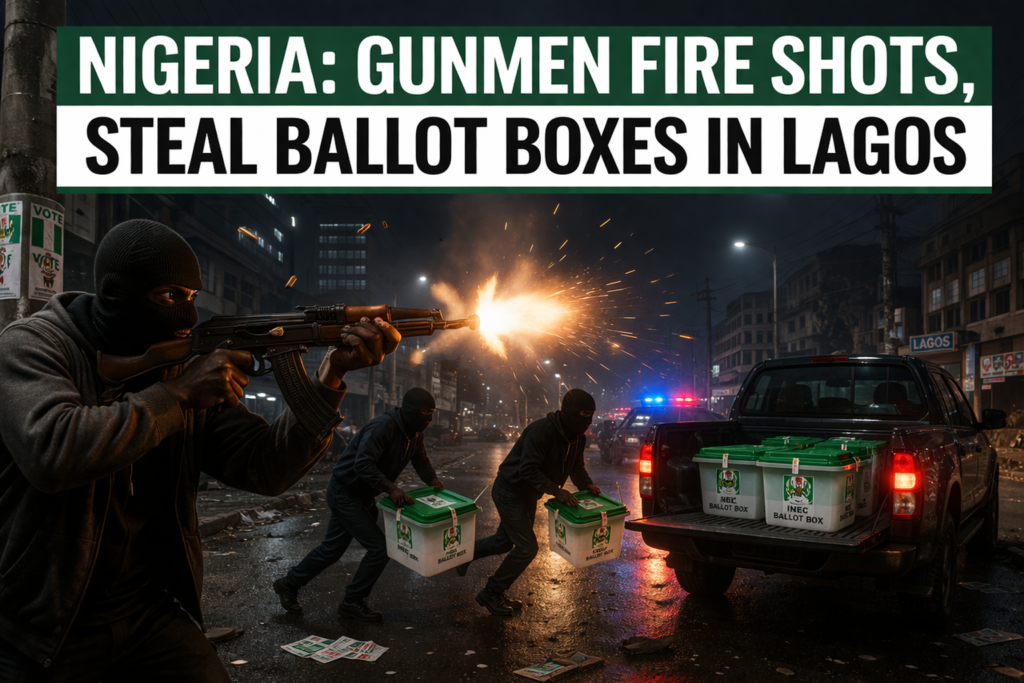
INEC must be truly independent. Political parties must also practice internal democracy. If these changes happen, Nigeria’s elections will improve and leaders will be more accountable, leading to a stronger democratic process and increased public trust in government institutions.
Final Thoughts on Nigeria’s Democracy
After listening to Igini, I felt that Nigeria still has hope. But that hope depends on courage. Institutions must be brave. Leaders must be honest. Citizens must demand accountability.
Democracy cannot survive on speeches alone. It survives on laws, institutions, and truth. Nigeria must choose between protecting democracy or protecting political interests. That choice will shape the future of the country.