
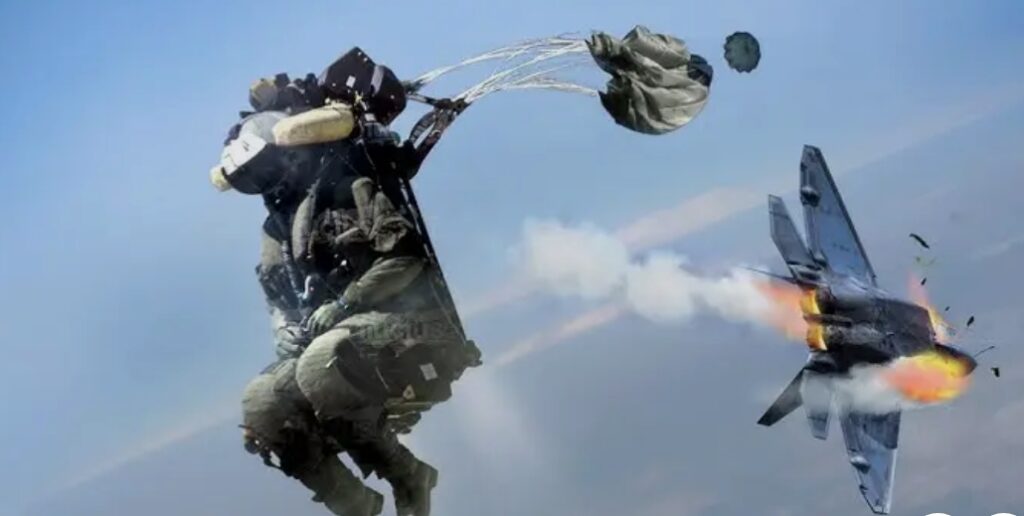
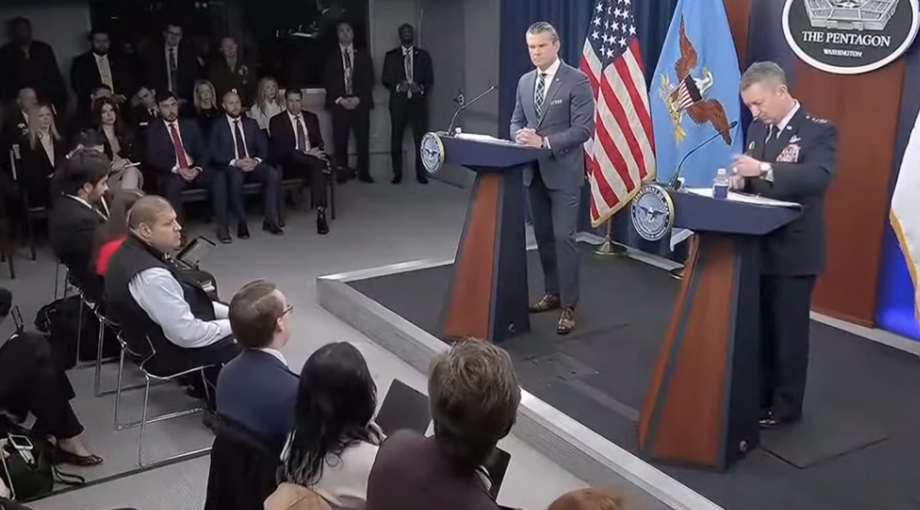

Rubio: “Next Phase of Strikes Will Be Even More Punishing”

A Clear Objective: Destroying Iran’s Missile Threat
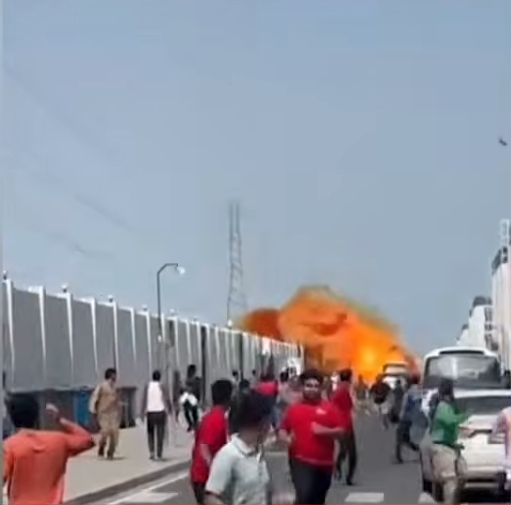
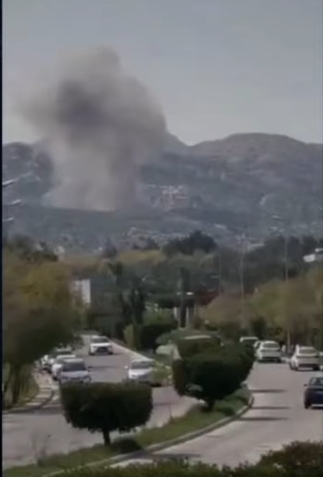
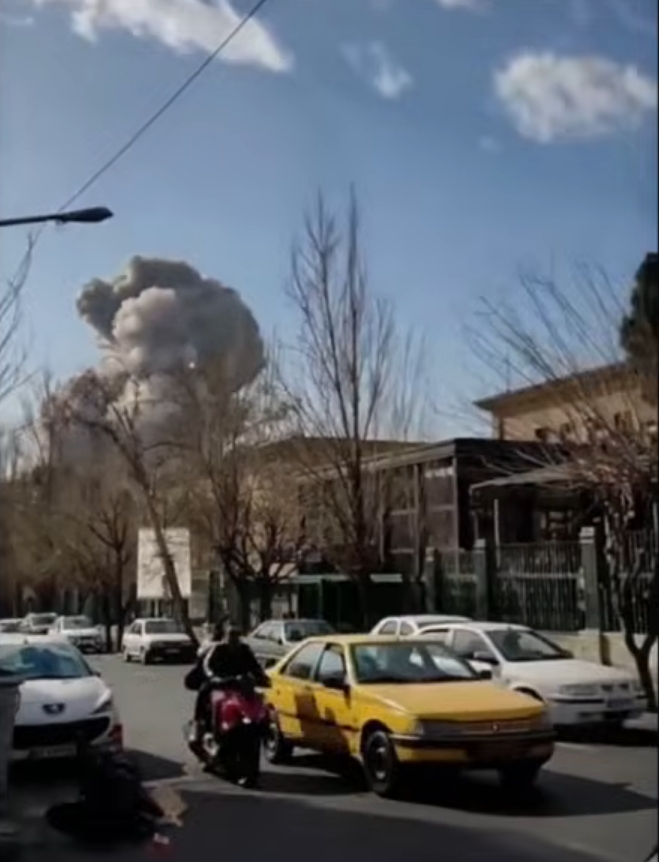
In a firm and direct statement, U.S. Secretary of State Marco Rubio confirmed that the United States has launched a focused military operation against Iran. The goal, he said, is simple. Destroy Iran’s short-range ballistic missile capabilities and weaken its naval forces.
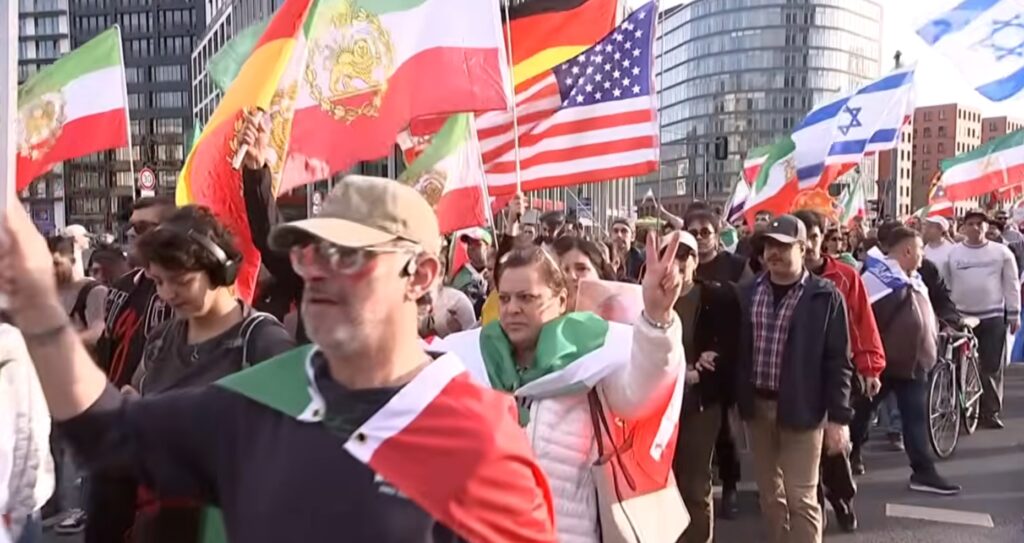
According to Rubio, these assets pose a direct threat to American forces and global shipping lanes. He emphasized that the operation was progressing successfully. He noted that the Pentagon would handle the tactical details. The message was clear: the present is a targeted mission with defined objectives.
Why Now? The Case for Pre-emption
Rubio addressed the question many Americans are asking—why strike now? He argued that intelligence showed Iran would respond swiftly to any Israeli action by targeting US forces. In fact, he claimed Iranian missile units were activated within an hour of initial hostilities.
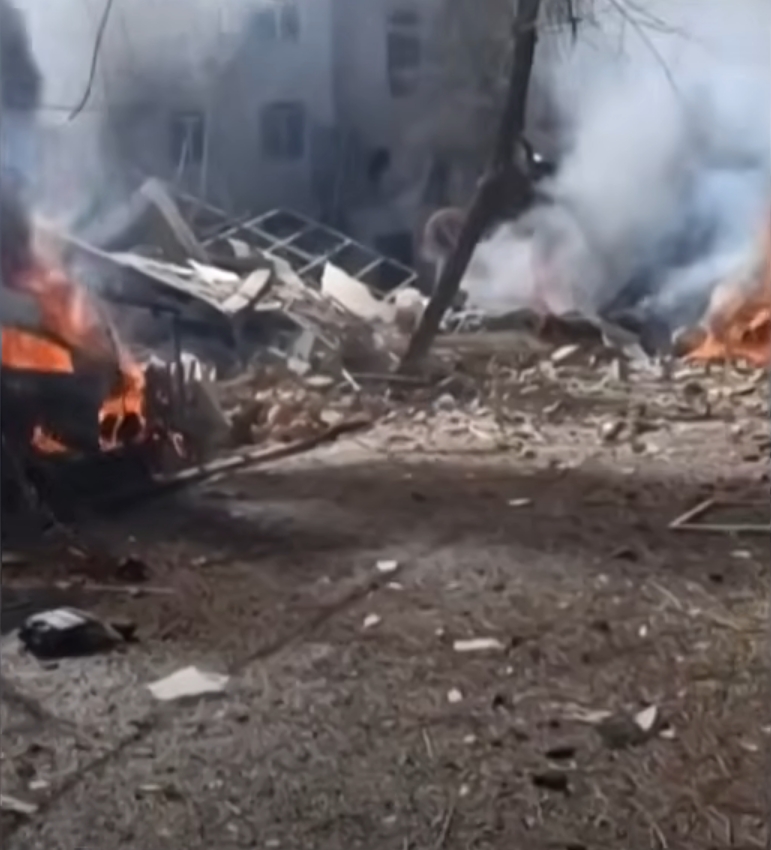
Waiting, he said, would have meant absorbing a devastating first blow. From his perspective, acting first was defensive, not reckless. The administration believes pre-emption saved American lives. Critics may debate that logic, but Rubio framed it as a necessary calculation.
The “Shield” Strategy and Nuclear Concerns
Rubio described what he sees as Iran’s long-term strategy. He argued that Tehran has been building a massive stockpile of conventional missiles and drones.

The purpose, he said, is to create a shield. With enough weapons, Iran could deter any attack on its nuclear ambitions. He cited estimates of over 100 missiles produced per month. Meanwhile, defensive interceptors are limited. In his view, allowing this buildup to continue would have created a “point of immunity”. That, he insisted, was an unacceptable risk.
Regime Change: Not the Mission, But a Hope
While the operation is military in nature, Rubio did not hide his political stance. He said the United States would welcome a new government in Iran. However, he stressed that regime change is not the objective of this mission.
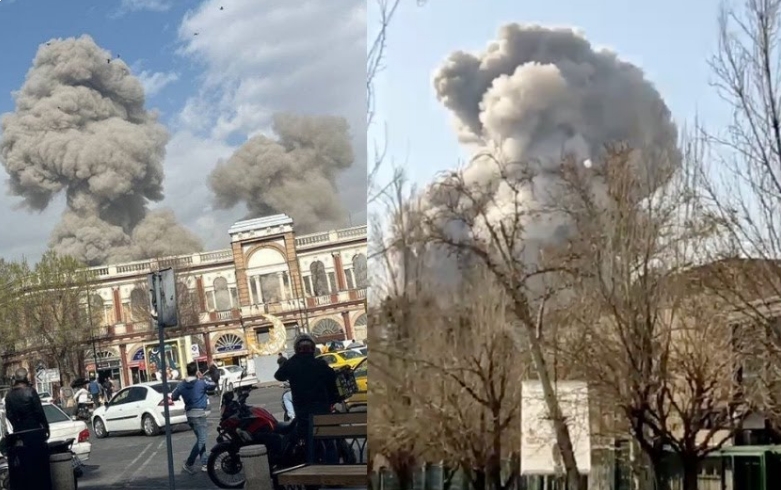
The focus remains on missile and naval capabilities. He suggested that the Iranian people have shown dissatisfaction through past protests. If they choose change, he said, the US will support it. Still, the administration’s official line is clear: weapons first, politics later.
Congress and the War Powers Debate
Questions quickly turned to legality. Did the White House consult Congress? Rubio stated that the administration notified the “Gang of Eight” and complied with the 48-hour reporting requirement under the War Powers Resolution.
He argued that no law requires full congressional approval before such action. Historically, both Republican and Democratic administrations have challenged the constitutionality of the War Powers Act. Rubio insisted the administration followed the law. The constitutional debate, however, is likely far from over.
Civilian Impact and Global Reactions
Concerns about civilian casualties were also raised. Rubio firmly denied that the United States deliberately targets schools or civilian infrastructure. He said the focus is strictly on military capabilities.
At the same time, he accused Iran of striking civilian sites, including airports and embassies. These claims will be closely scrutinized by international observers. In any conflict, perception matters. Civilian harm can quickly shift global opinion and reshape alliances.
Energy Markets and Economic Risks
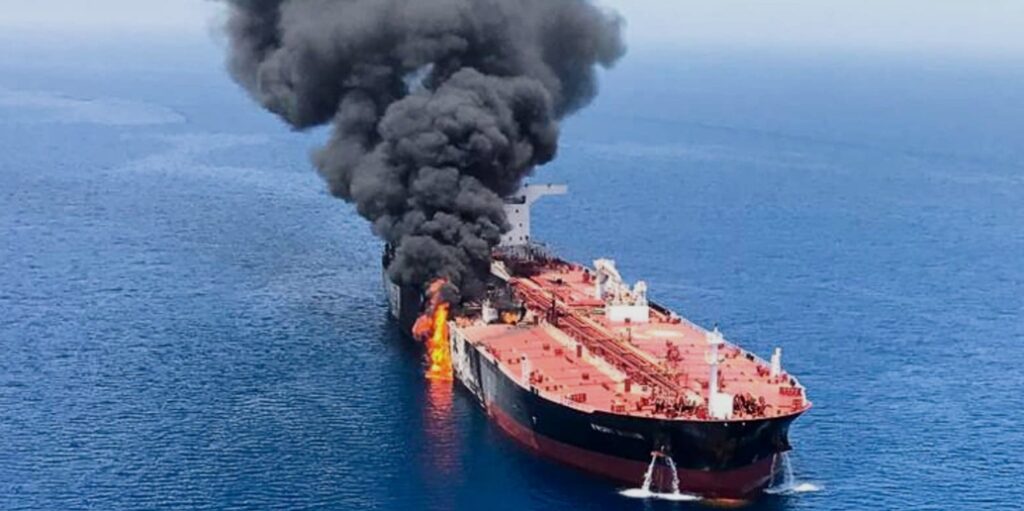
Another major concern is energy. Rubio warned that Iran’s naval power gives it leverage over nearly 20 per cent of the global energy supply.
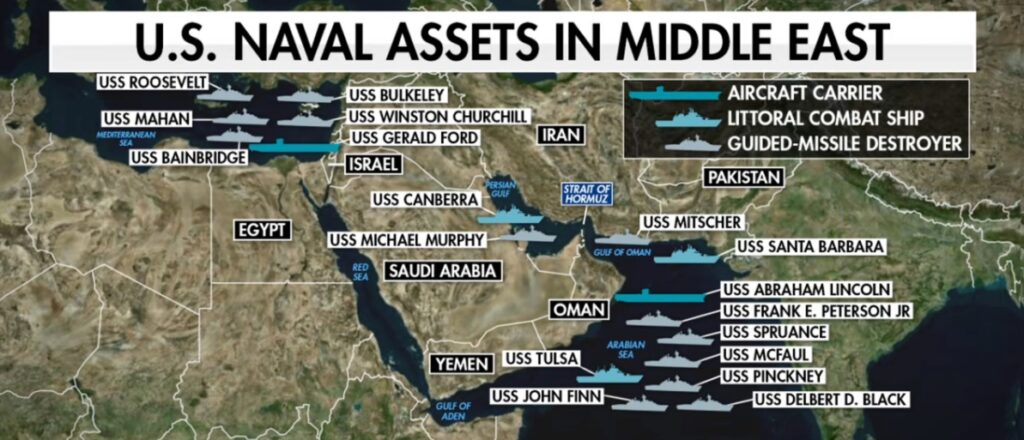
Disruption in the region could shake markets worldwide. He said Treasury Secretary Scott Bessent and Energy Secretary Chris Wright are preparing mitigation measures.
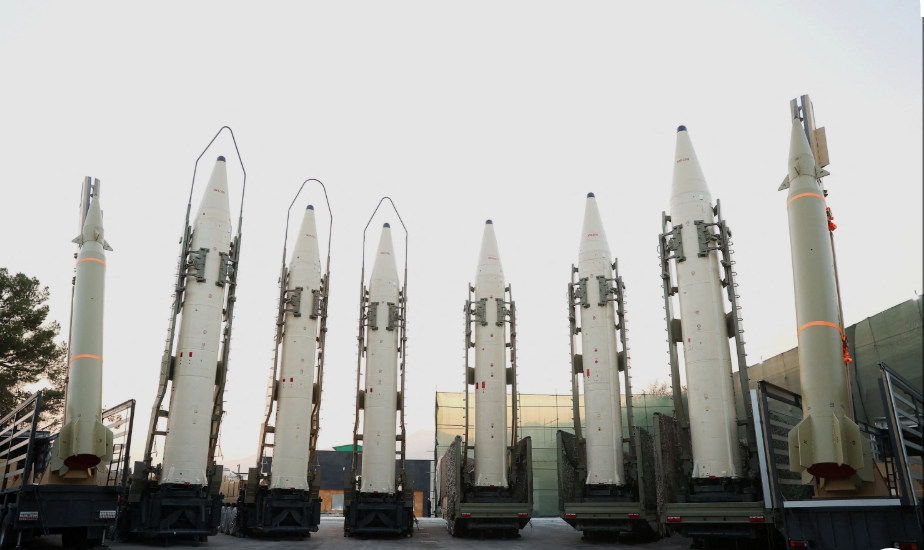
Markets have already reacted to the news. Oil prices remain sensitive. The administration insists it anticipated these risks and has plans in place. Still, economic ripple effects may test public patience.
“More Punishing” Strikes Ahead

Perhaps the most striking moment came at the end. Rubio cautioned that the most severe consequences are still to come. He said the next phase of US military action will be even more punishing for Iran.
There are no current plans for ground troops, but the president retains that option. Rubio did not offer a timeline.
He only promised that the mission would continue until objectives are achieved.
His final message was blunt: the world will be safer when the campaign is over. Whether that promise holds remains to be seen.