
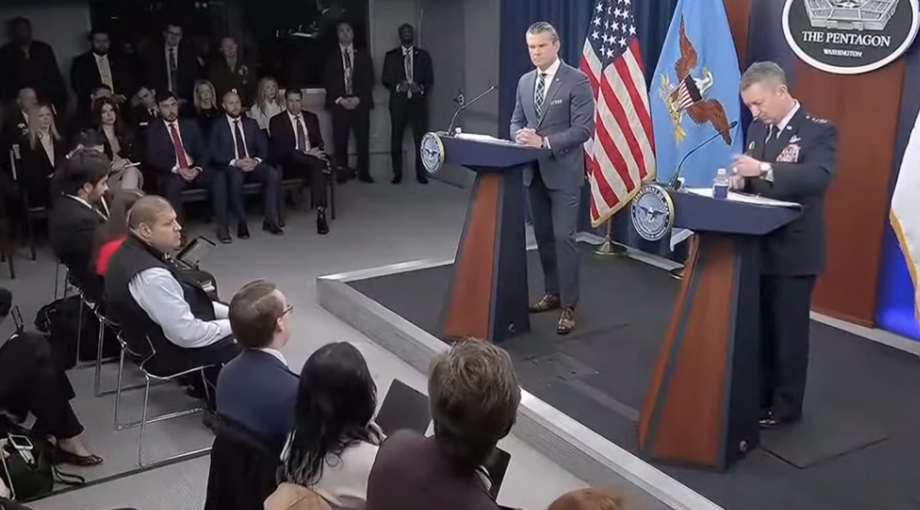

Iran Fire Amidst Khamenei’s Deaths
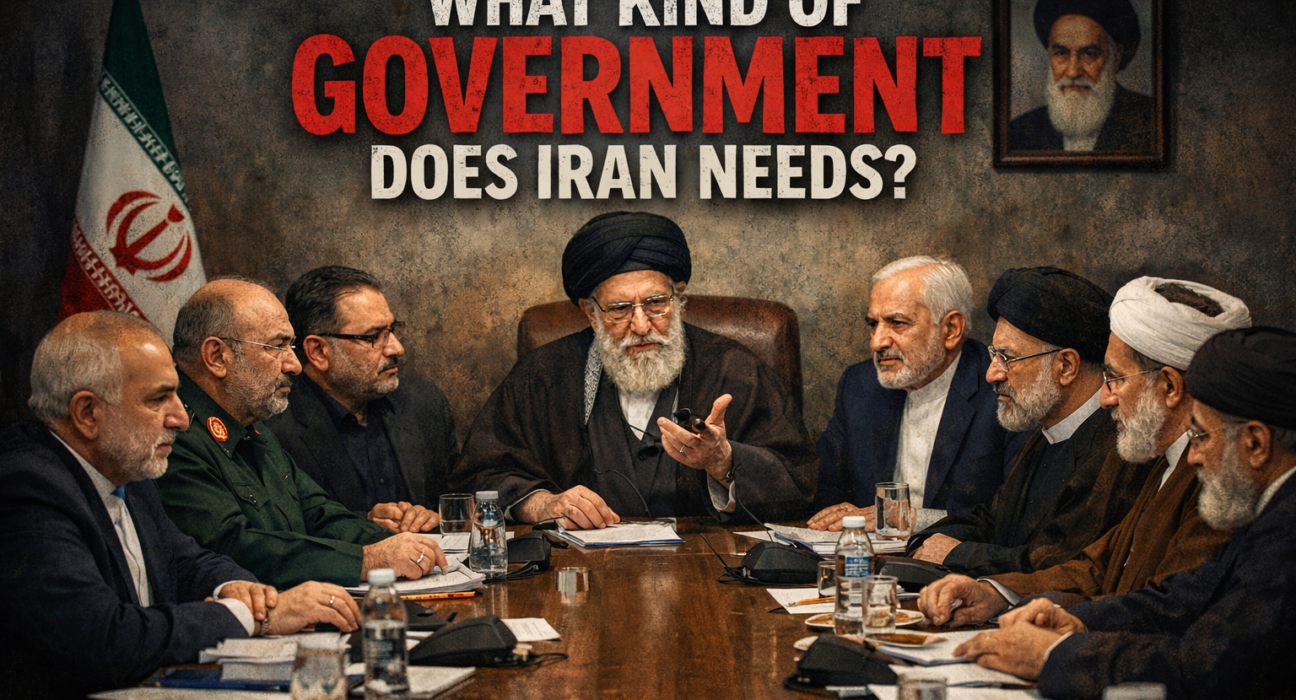
A Historic Strike Decimates Iran’s Leadership
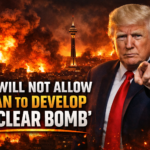
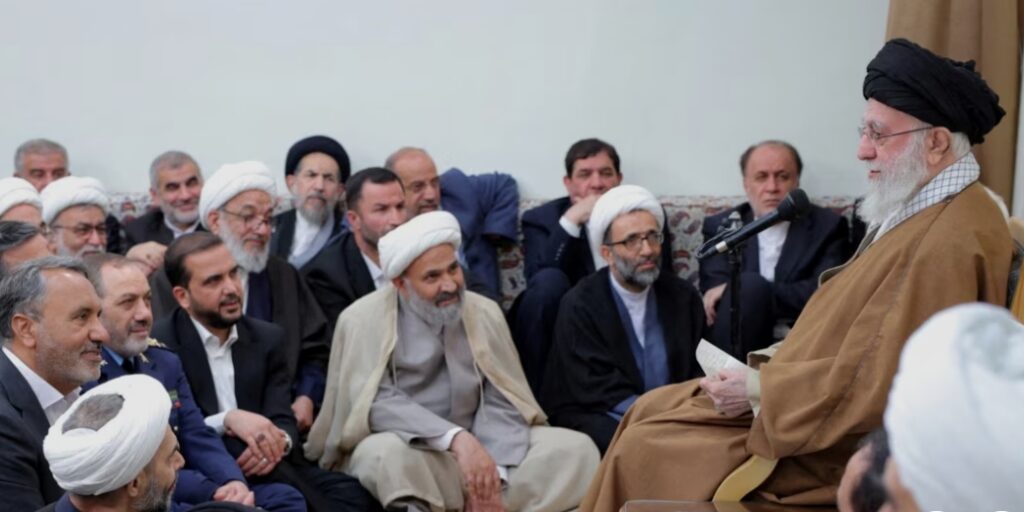
Global Affairs Hub 247 can now confirm, based on official statements from Iranian state media and corroborating intelligence, that Iran’s Supreme Leader, Ayatollah Ali Khamenei, is dead following US and Israeli military strikes on his office in Tehran.
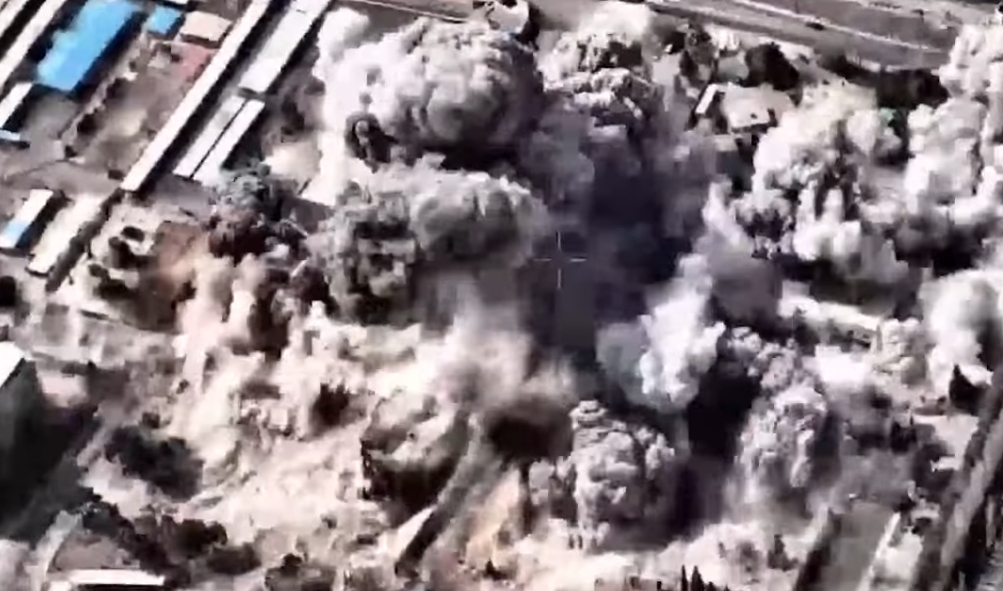
This attack marks a dramatic escalation in Middle Eastern tensions and reshapes the region’s geopolitical dynamics, as Khamenei had ruled Iran since 1989.
The Obliteration of a Regime
The attack that killed the Supreme Leader was part of a significant assault on Iran’s military and political hierarchy, resulting in the deaths of around 40 senior officials, including General Mohammad Pakpour, Defence Minister Aziz Nasirzadeh, and security adviser Ali Shamkhani.
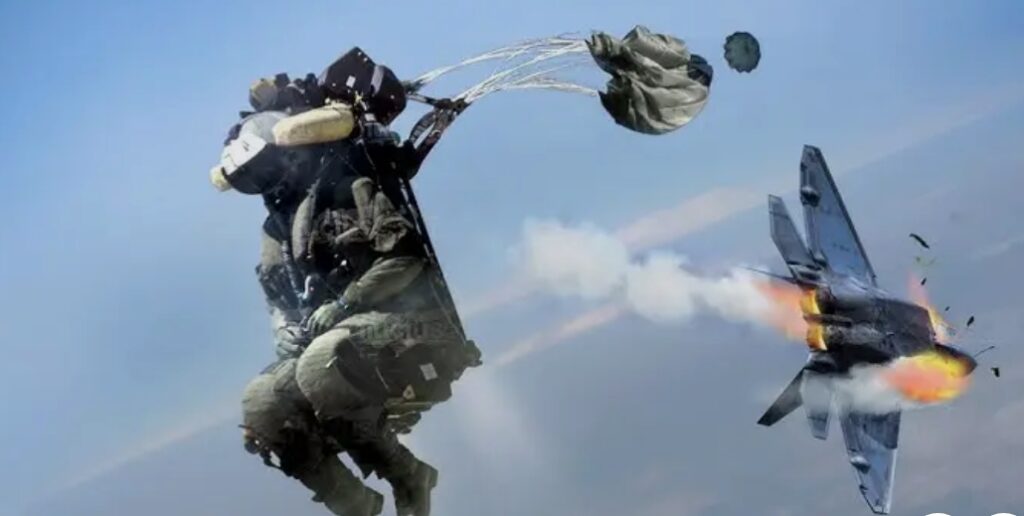
The Israeli military reportedly took responsibility, stating they targeted the armed forces’ chiefs of staff and key individuals linked to Iran’s nuclear program, effectively destabilizing the regime’s command structure.
Tehran’s Furious, Multi-Front Retaliation
Following Khamenei’s death, the Islamic Revolutionary Guard Corps (IRGC) launched extensive retaliatory strikes, branding them the “most ferocious” in history. They targeted 27 US military bases across nine Middle Eastern countries, including Kuwait, Bahrain, Qatar, and the UAE.
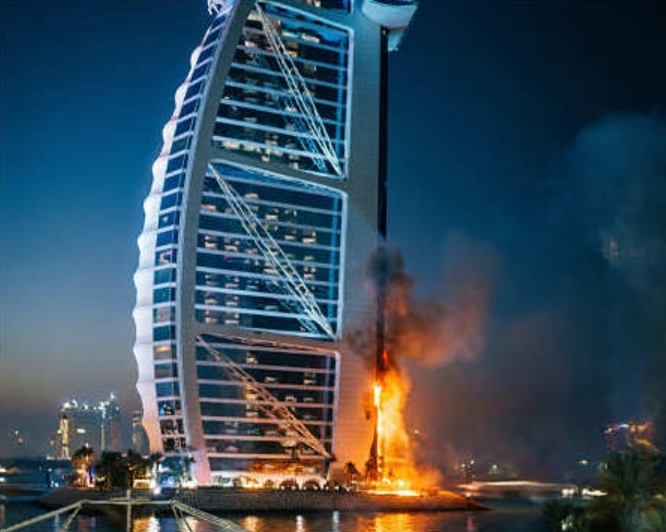
A significant missile and drone assault on Israel resulted in casualties in Tel Aviv and Beit Shemesh. The IRGC also claimed to have attacked the USS Abraham Lincoln and shut down the Strait of Hormuz, a critical route for global oil transport.
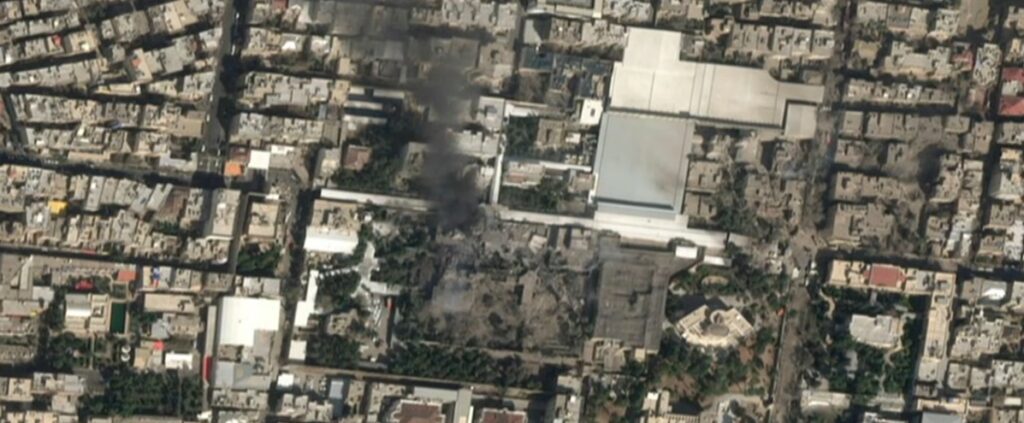
A Nation in Mourning and Chaos
Following the Supreme Leader’s death in Iran, the nation is in a state of mourning and uncertainty, with state media announcing a 40-day mourning period and seven public holidays.
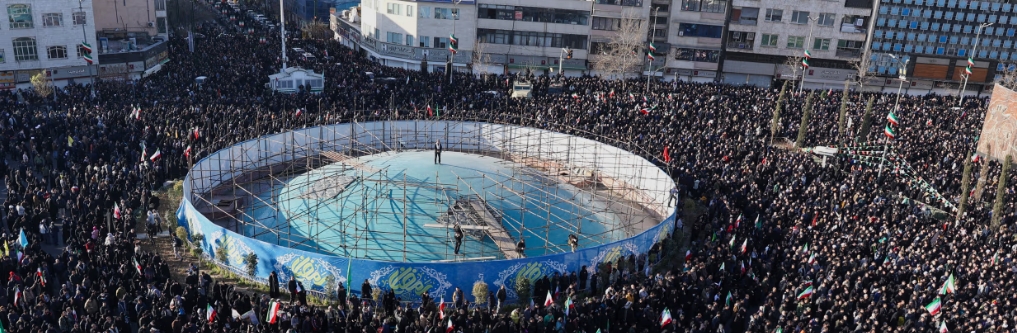
Large gatherings occurred in Tehran, where mourners expressed anti-American sentiments. However, there were celebrations all over Iran and abroad, highlighting a divided public amid an uncertain future.
The Human Cost of Escalation
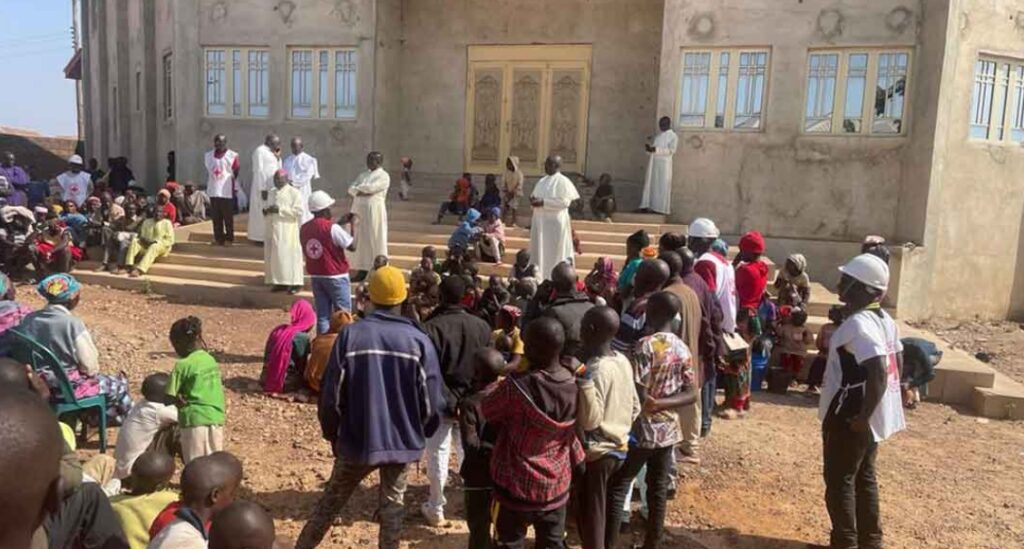
The recent US and Israeli strikes across over 20 provinces have resulted in a devastating human toll, with over 200 fatalities and numerous injuries reported by the Iranian Red Crescent.
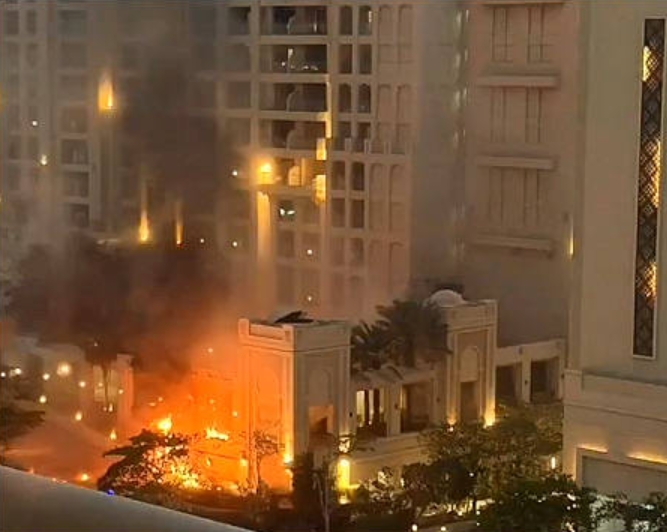
Major damage occurred near a girls’ elementary school in Minab, leading to significant casualties, while medical facilities in Tehran are overwhelmed. This situation is escalating into a humanitarian crisis, with hospitals struggling and parents searching for missing children, highlighting the urgent need for restraint and the protection of non-combatants under international law.
The Question of Succession and a New Iran
Following the Supreme Leader’s death, Iran confronts a critical political juncture. A temporary leadership structure led by President Masoud Pezeshkian is currently managing state affairs amidst growing uncertainty. Analysts caution that this leadership vacuum may incite rivalry among political elites and the Islamic Revolutionary Guard Corps (IRGC), which already possesses substantial influence. Some believe the IRGC may solidify its power during this unstable period.
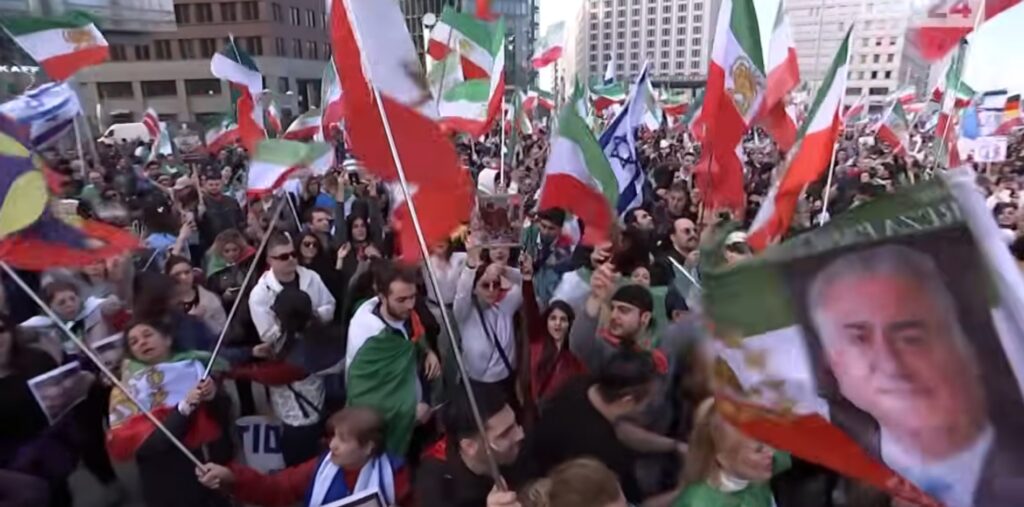
In contrast, Reza Pahlavi, the exiled son of the former Shah, claims that the Islamic Republic’s era is over, yet his role in any transition is unclear. Internationally, notably in Washington and Tel Aviv, there are calls for a more democratic Iranian government, emphasizing secularism, free elections, and human rights, though analysts assert that any significant political change will ultimately hinge on internal dynamics within Iran.