




Inside the US–Israel–Iran War: Politics, Economy and Security at Risk
Rising Tensions Across the Middle East
The war involving America, Israel, and Iran has escalated significantly, with military strikes and missile exchanges ongoing. Iran has retaliated against Israel following US-Israeli operations targeting Iranian assets.
This conflict has severe civilian impacts due to airspace closures and emergency protocols, resulting in increased casualties and a humanitarian crisis. It appears to be developing into a prolonged regional conflict with potential global implications, leading to heightened global scrutiny and preparedness for further escalation.
Political Motives Behind the War
Politics plays a major role in this conflict. The United States has stated that Iran’s nuclear program and missile development are major concerns. There are also political goals such as limiting Iran’s regional influence.
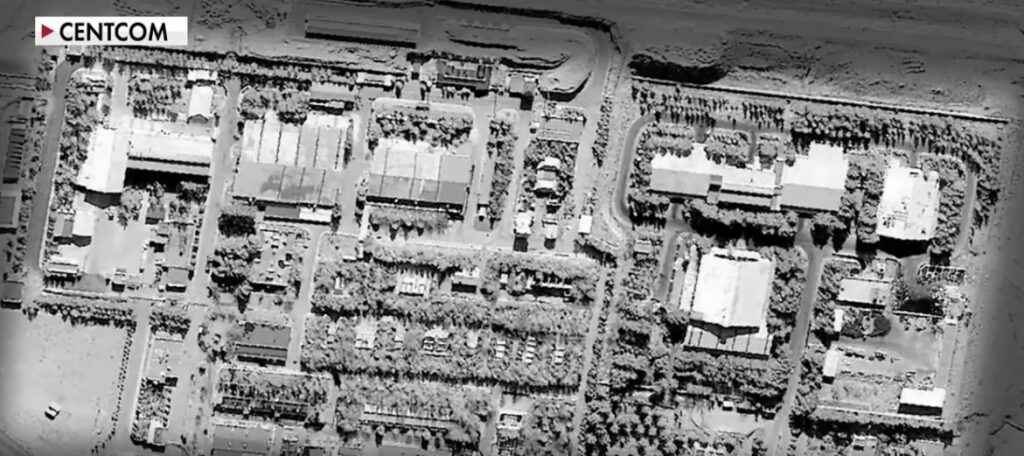
Iran, however, says the war was imposed on them during negotiations. This shows a deep political mistrust between both sides. In my view, diplomacy is still being used, but mainly as pressure rather than peace. Talks and ceasefire proposals are being discussed, but no final agreement has been reached.
Economic Impact of the Conflict
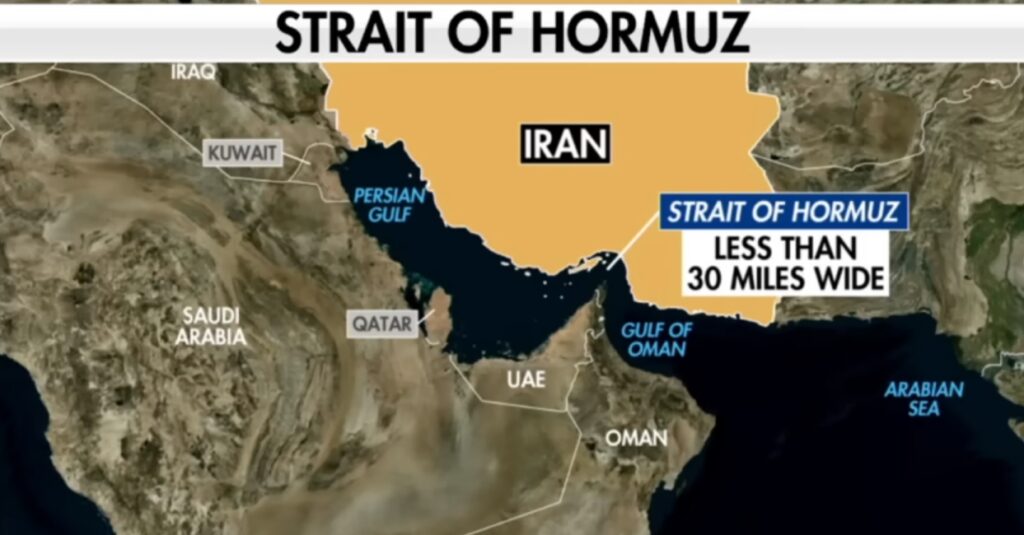
The The ongoing war is visibly impacting the global economy, primarily through rising oil prices driven by instability in the Middle East. Essential trade routes and shipping lanes are under threat, contributing to inflation and escalating living expenses worldwide.
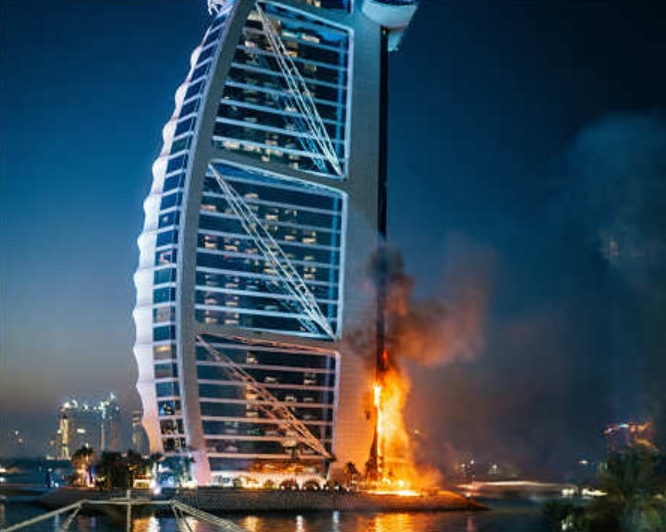
Modern warfare now encompasses economic strategies including sanctions and threats to oil supplies, alongside traditional military tactics. The financial burden of this conflict is enormous, particularly for the United States, which reportedly spent over $11.3 billion within the first six days, with current costs projected at $1–2 billion daily.
Israel’s expenditures on air operations and missile defense systems are estimated at around $4 billion daily, accumulating to tens of billions. While Iranian military spending remains less transparent, it significantly contributes to
Security and Military Developments
Security concerns are escalating due to frequent testing of missile defense systems and the increased use of drones, cyber warfare, and airstrikes. The nature of modern warfare has evolved into a technology-based arena, significantly impacting military strategies and resource allocation.
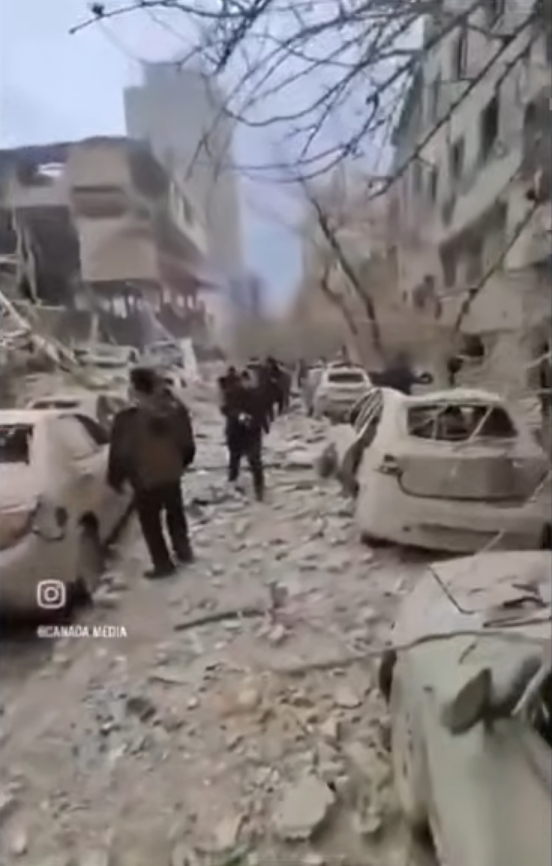
This war showcases advanced military technologies, such as precision-guided ballistic and cruise missiles, stealth fighter jets like the F-35, and unmanned aerial vehicles like the MQ-9 Reaper.
Additionally, missile defense systems, including Iron Dome and Patriot systems, are actively engaged in intercepting threats, while cyber warfare disrupts communications and infrastructure, highlighting that modern conflicts extend beyond traditional battlefields into digital domains.
Humanitarian and Social Impact
Over the past four decades, approximately 4 to 5 million Iranians have fled their country due to religious restrictions, political repression, and economic hardships, forming a large diaspora in Europe, the U.S., Canada, and Turkey.
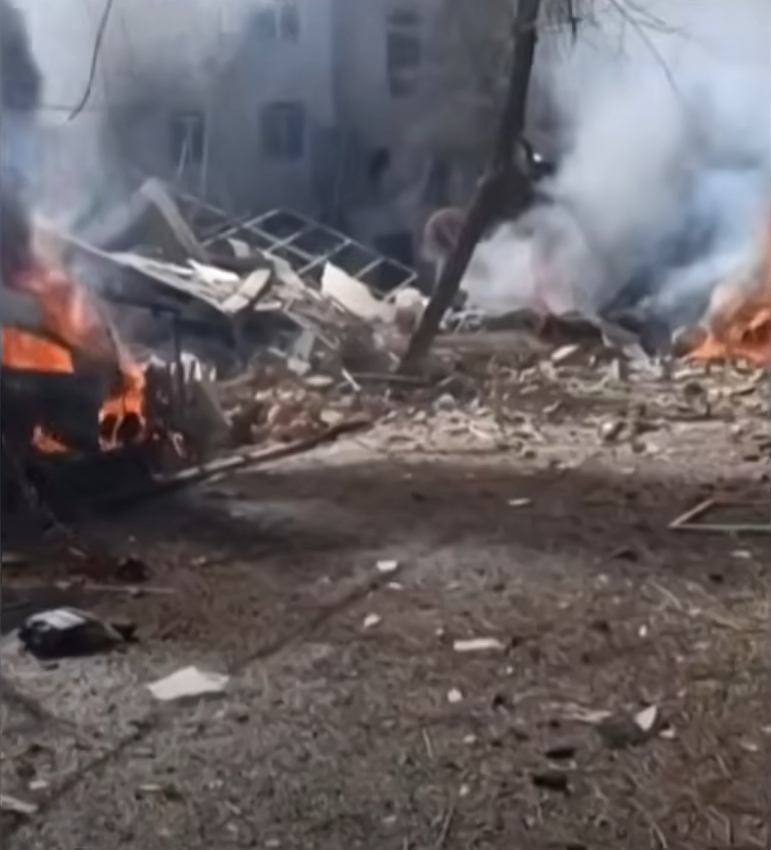
Many are unwilling to return due to fears of persecution and limited freedoms, though some express a desire to return if political reforms and democratic changes occur. This highlights that the humanitarian consequences of the conflict extend beyond current war casualties, affecting those who left long ago and still lack a homeland.
Global Reactions and Alliances
For peace to become realistic, alliances between Israel and Gulf states such as Saudi Arabia, the United Arab Emirates, Qatar, and Oman would need to focus on shared security, economic cooperation, and regional stability rather than political system differences.
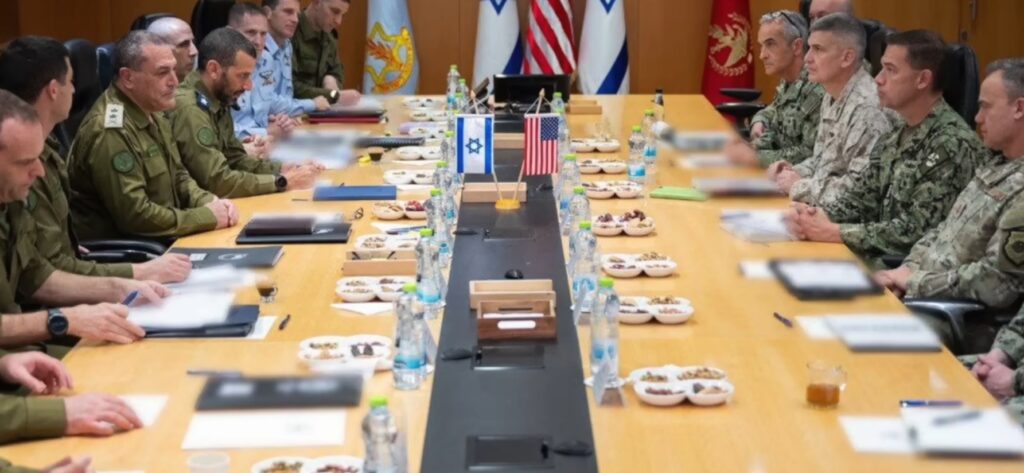
While these countries have different governance systems, they share common concerns such as regional security, trade routes, oil infrastructure, and the threat of prolonged war. In my view, peace would likely require a structured regional security agreement, economic partnerships, and coordinated diplomatic pressure to reduce escalation, similar to normalisation efforts seen recently.

The Gulf states can act as mediators because they maintain communication channels with multiple sides, while Israel brings military strength and technology, and Gulf countries bring economic influence and regional diplomacy. If these alliances focus on stability, trade, and security cooperation rather than ideology, they could create a balance of power that encourages negotiation instead of continued conflict.
Risk of Wider Regional War
There is a significant risk of the conflict expanding, with Iran’s allies and proxy groups in the region and Israel receiving robust military support from its allies.
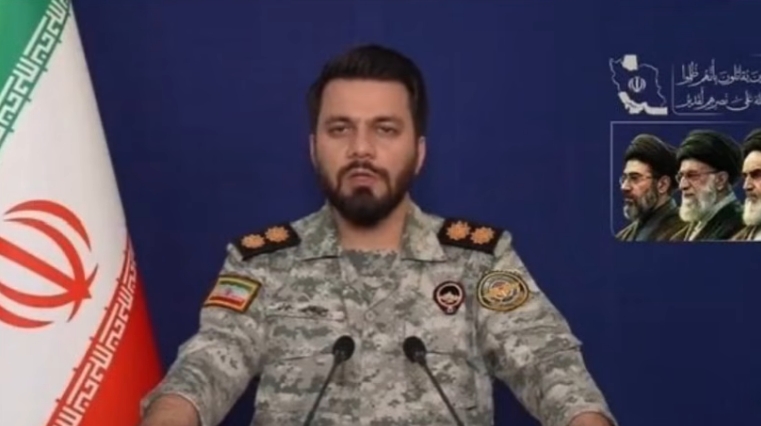
Direct involvement from other countries could escalate the situation into a wider regional war, which is currently a major concern for global security. Such a war in the Middle East may impact energy, migration, and overall global stability, reminiscent of previous troubling instances.
The Uncertain Future of the Conflict
The future of this war is uncertain, with some leaders discussing ceasefires while others prepare for prolonged military operations, reflecting a divide in strategies.
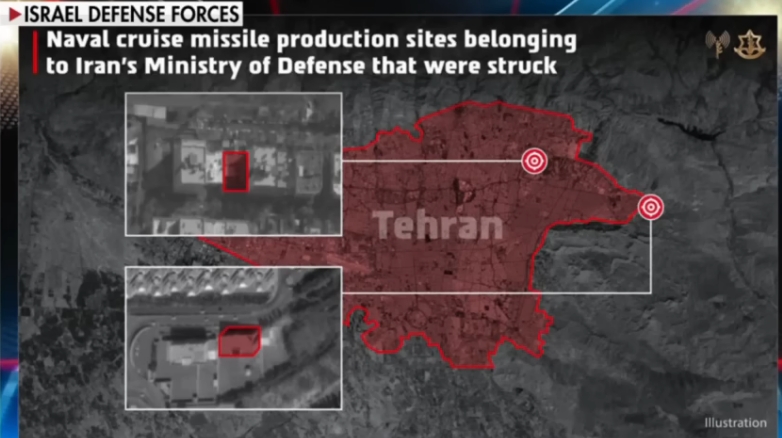
Low trust between the sides hampers negotiations for a lasting peace agreement, suggesting the conflict will endure as both sides seek strategic advantages. The resolution may ultimately hinge on whether diplomacy or military power prevails, influencing global politics, economics, and security in 2026.