




Nigeria Senate’s Refusal to Mandate Electronic Transmission of Results
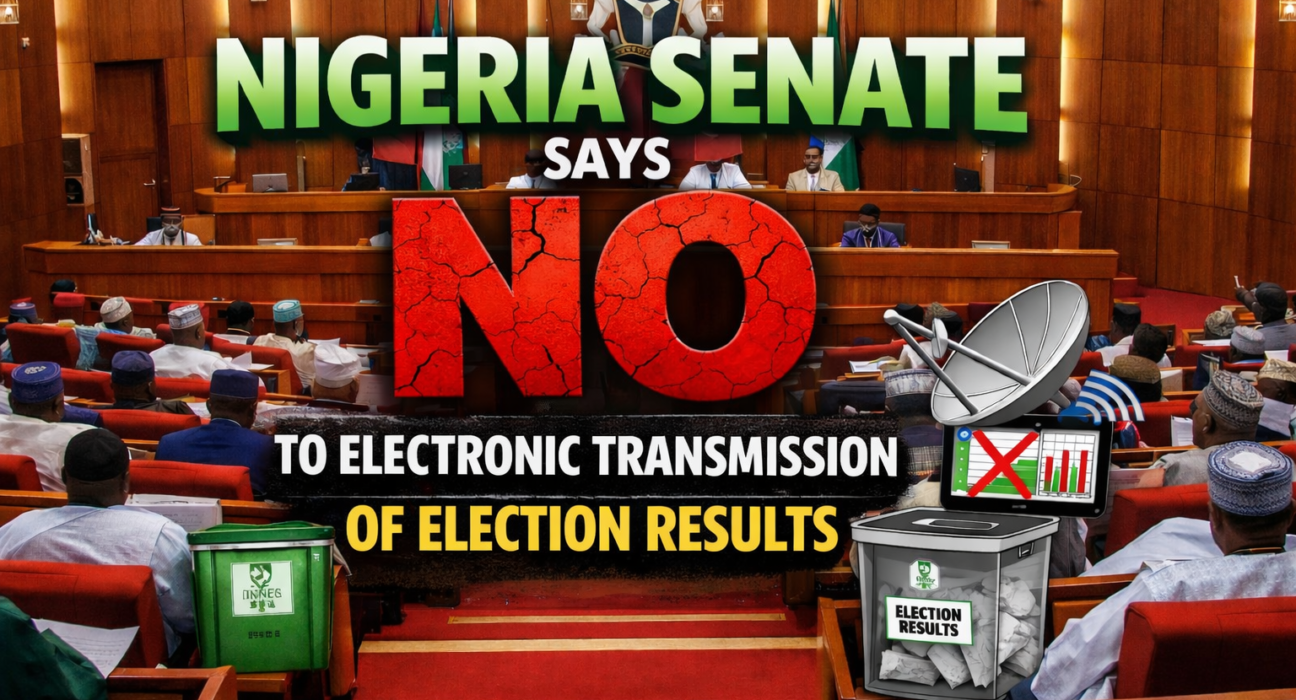
The Core of the Controversy: A Battle Over a Single Word
The Nigerian Senate’s recent passage of the bill has sparked controversy regarding the technological methods used for elections, particularly concerning how votes should be transmitted in order to ensure transparency and prevent manipulation.
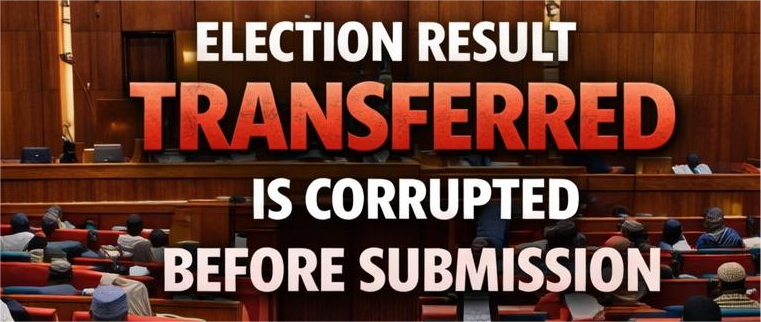
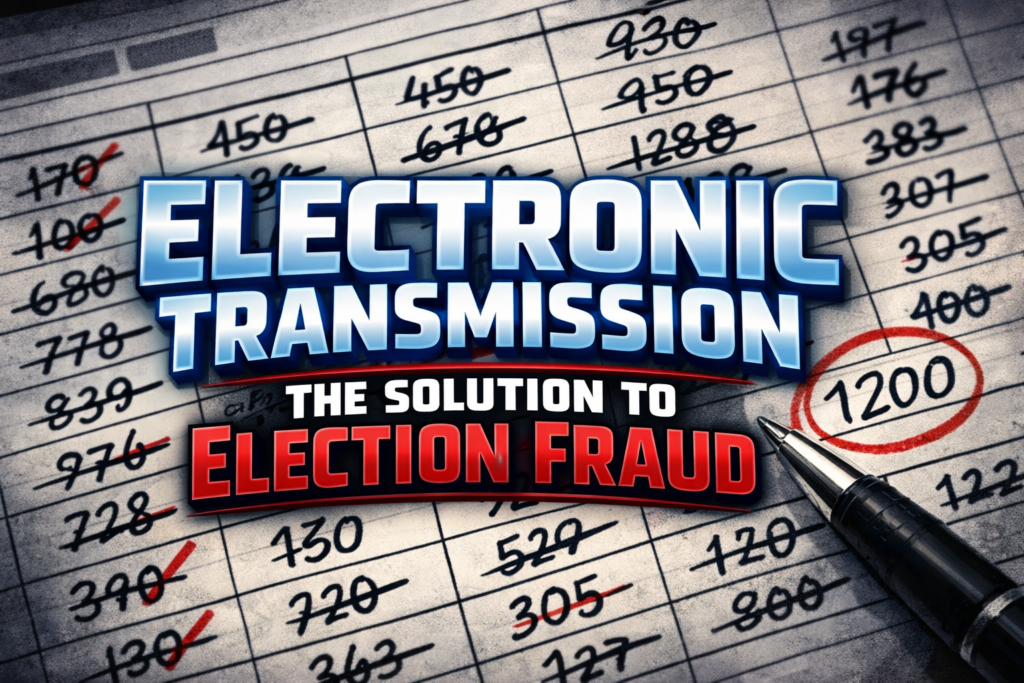
The discussion emphasizes the urgency of adopting real-time, electronic transmission of results directly from polling stations, as opposed to traditional methods, to safeguard against potential data manipulation during the transport to collation centers.
“Transmit” vs. “Transfer”: The Legal Nuance Dividing The Nation
The core of the dispute is a technical, but crucial, distinction between “transfer” and “transmit.”. The Senate voted to retain wording from the 2022 Act, which says presiding officers shall “transfer” results in a manner prescribed by INEC. Opponents wanted a new clause mandating officials to “electronically transmit” results to a public portal in real time.

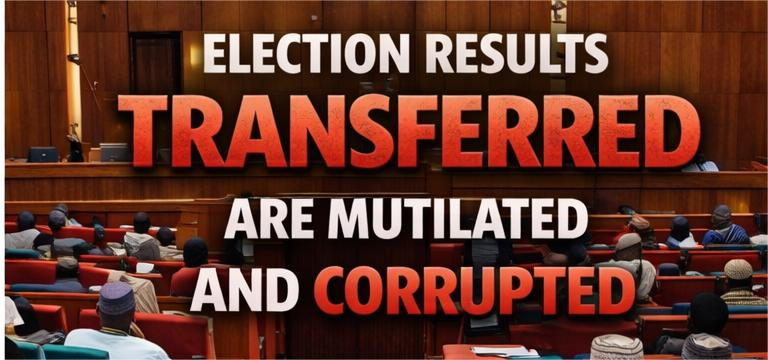
For Senator Enyinnaya Abaribe, a key figure in the debate, this word choice is everything. He insists the Senate approved “transmission”, not “transfer”, arguing that corruption and mutilation of result take place during transfer of result, that has plagued past elections. “What we passed is transmit, not transfer,” Abaribe stated, framing the change as a deliberate move to create a “clear, concise” law that compels INEC to act.
The Senate’s Defense: Citing Infrastructure and Safeguarding Democracy
Senate President Godswill Akpabio is mounting a vigorous defense against a barrage of criticisms from civil society and opposition parties. He argues the Senate’s role is to make durable laws, not to bow to public pressure or the demands of interest groups. Akpabio’s primary concern is Nigeria’s unreliable infrastructure.
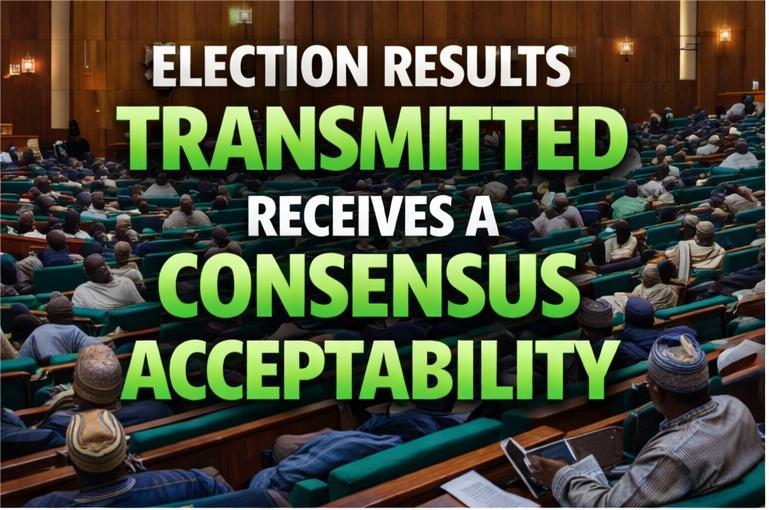
He warns that mandating “real-time” transmission without exception could disenfranchise voters in areas with network failures or power outages, potentially throwing entire elections into chaos. “If you make real-time transmission mandatory and there is a network failure or a grid collapse, what happens to the election?” He asked, emphasizing that “technology must serve democracy; it must not endanger it.”
Broken Promises and a Backlog of Reform
The intense public reaction stems from a deep sense of betrayal rooted in the 2023 elections. INEC had promised real-time electronic uploads to its IReV portal but largely failed to deliver, which became a major point of contention in post-election lawsuits. The Supreme Court later ruled that electronic transmission was only in INEC’s guidelines, not in the Electoral Act, so it was not a legal requirement. This ruling made the current legislative action so critical, to give legal teeth to the technological process.
- Beyond transmission, the Senate’s version of the bill rejected or altered several other key reforms:
- Downloadable Voter Cards: A provision to allow electronic voter cards for those who cannot obtain physical cards was rejected.
- Shorter Timelines: The notice period for elections was cut from 360 to 180 days, which experts fear could create a “logistical nightmare” for INEC.
Campaign Finance: The bill dramatically increased the legal limits for campaign spending and individual donations, a move critics say institutionalizes “pay-to-play” democracy.
A Nation Pushes Back
The Senate’s decisions have triggered a wave of condemnation. Former Minister Oby Ezekwesili accused the Senate of “playing with fire” and betraying the youth, urging lawmakers to cancel their recess and fix the provision. A coalition of over 70 civil society organizations decried the bill as a “retrogressive” weakening of electoral safeguards.
Political figures across the spectrum see sinister motives. Akin Osuntokun of the African Democratic Congress (ADC) argued the logic is clear: “They don’t want any intervention that can drastically shrink the threshold of rigging.” Buba Galadima of the NNPP cautioned that entrusting discretion to INEC, an agency whose leadership is appointed by the president, could lead to manipulation and potentially “compromise the 2027 elections.”
The following table summarizes the differing viewpoints on the electronic voting system.
| Stakeholder | Position on Electronic Transmission | Core Argument |
| Senate Leadership (Akpabio) | Supports discretionary, not mandatory, “real-time” transmission. | Mandatory requirements are risky due to Nigeria’s unreliable infrastructure (power, network). |
| Pro-Reform Senators (Abaribe) | Insists they passed mandatory “transmission” (not “transfer”). | Clear, compulsory language is needed to close legal loopholes and prevent manipulation. |
| Civil Society & Nigerians | Demand mandatory real-time transmission. As INEC finishes counting in the ward, transmit Results Electronically | Discretionary language perpetuates ambiguity and enables the rigging seen in past elections. |
| INEC | Committed to using technology but cautions against premature judgment. | The legislative process is ongoing; the commission will operate within the final law. |
The Road Ahead: Harmonization and Hope
The legislative process is not over. A Conference Committee will now form to reconcile the Senate’s version of the bill with the House of Representatives’ version, which is reported to contain stronger pro-transmission language.
This committee’s work will be decisive. Senator Abaribe has vowed that if the harmonized bill weakens electronic transmission, “a majority of senators will oppose it.” All sides are urging citizens to engage their representatives during this critical window.
For many Nigerians, the current dispute transcends beyond mere politics and represents a struggle for the fundamental principles of their democracy. As public analyst Kunle Okunade noted, achieving a credible election in 2027 under a framework without clear transmission rules would be “miraculous.”.
The coming weeks will determine whether Nigeria’s electoral law will be fortified by clarity and compelled transparency or left vulnerable to the ambiguities and “manual distortions” of the past. The burden rests on the Harmonization Committee to deliver a law that truly reflects the people’s desire for a transparent vote, from the polling unit to power.