




How Africans Are Being Lured Into the Russian Army
How Broken Promises Are Pushing African Youth Into War
Across Africa, a troubling pattern is emerging as young men seek opportunities, only to find themselves recruited for foreign wars.
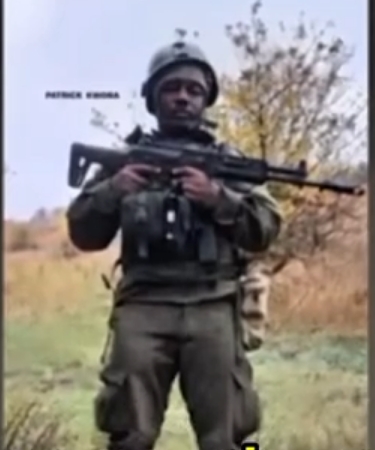
A CNN investigation reveals that recruitment networks linked to Russia are targeting young Africans via social media, luring them with promises of high-paying jobs that often lead to forced military service in Ukraine. This situation results in heartbreak for families and poses a growing crisis for African governments.
The Promise: Jobs, Dollars and Citizenship
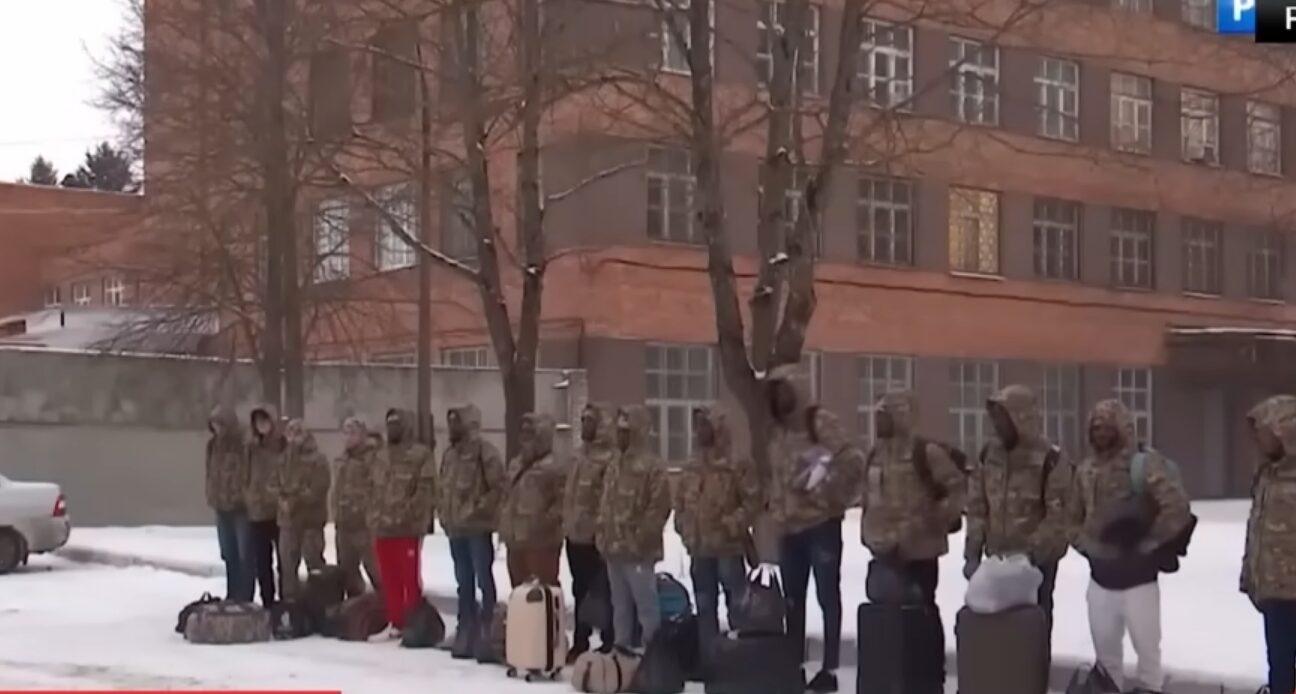
According to CNN correspondent Larry Madowo, recruiters are enticing young Nigerians, Kenyans, Ghanaians, and South Africans with offers that include sign-on bonuses up to $13,000, monthly salaries of $3,500, promises of Russian citizenship, scholarships, and training for factory or security jobs in Europe.

However, upon arrival in Russia, recruits often face a harsh reality, being pressured to sign military contracts without full understanding, having their passports confiscated, and lacking legal support, leading some to be deployed into combat zones quickly.
Nigerians Killed on the Front Lines
Ukrainian intelligence has confirmed the deaths of two Nigerian nationals, Hamzat Kasim Kawali and Umba Steven Udoka, due to a drone strike in the Luhansk region of eastern Ukraine in late November 2025. Both men were serving in the 423rd Guards Motor Rifle Regiment of the Russian army.
Notably, Udoka received minimal training and was deployed shortly after signing his contract, while the details of Kawali’s training are unclear but also suggested to be limited. Ukraine’s Main Intelligence Directorate has cautioned against foreigners traveling to Russia for work, indicating the potential for recruitment into high-risk combat units, which could have fatal outcomes.
“He Wants to Kill Me”
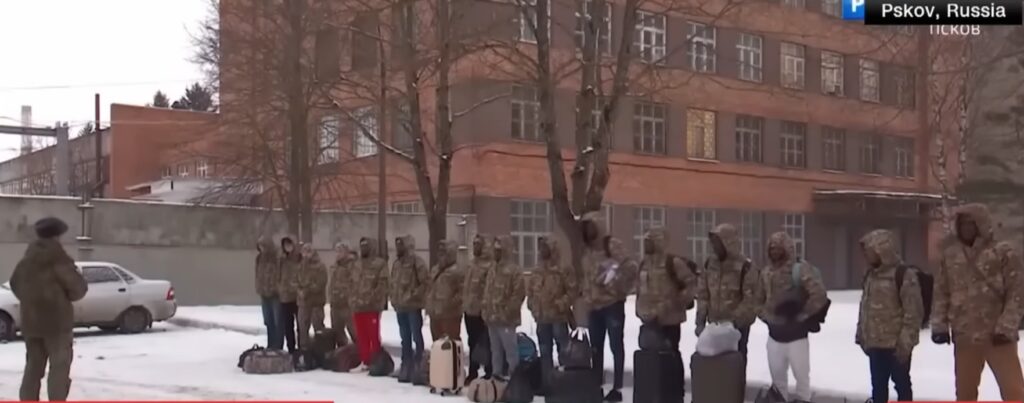
Patrick Koba, a Kenyan carpenter, recounted to CNN his harrowing experience of surviving a drone attack, returning to Nairobi with shrapnel in his body. He vividly described his fight for survival.
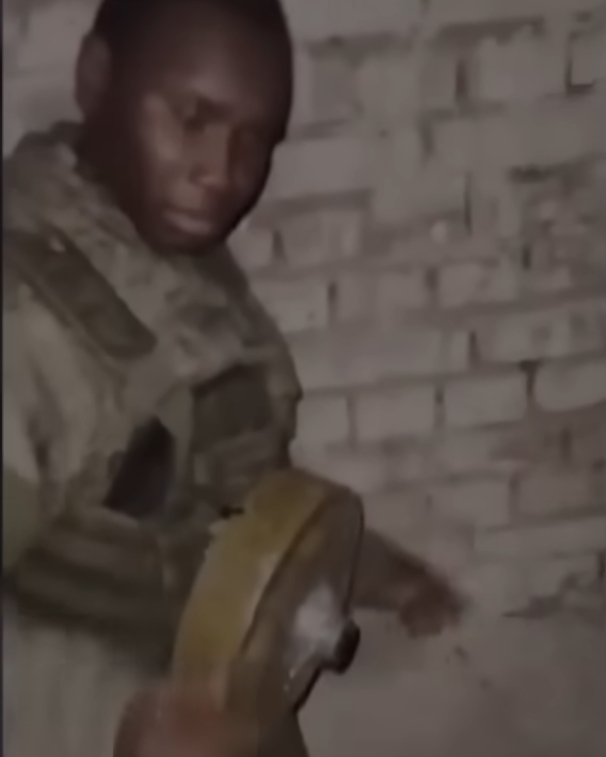
Another Kenyan recruit, Francis, faced coercion to join the front lines, with his mother’s stark warning to other young men about the dangers they might face if taken by the military. These individuals are largely civilians, not trained soldiers, who expected to travel for work or study. Click to Learn More

Recruitment in the Obscurities
Renu Oduala, Director of ConnectHub NG and a civic leader, highlights a troubling pattern of recruitment targeting high youth unemployment across Africa. Promises made to recruits include jobs in Europe with salaries of £7,000 per month, free scholarships, and pathways to citizenship. However, once abroad, these opportunities often vanish, leaving many in conflict zones.
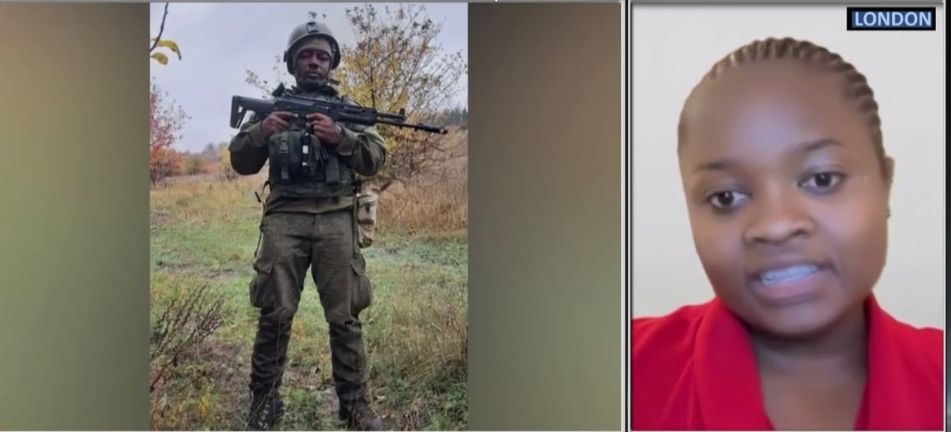
Families in Nigeria report distressing communications from their loved ones, who find themselves in dangerous situations, with little information given regarding injuries or deaths.
Bodies Left Behind, Families in the Dark
Larry Madowo described receiving distressing messages from parents:
“I’ve just heard that my son has died… Can you please help us find him?”

Reports indicate that some African fighters are deployed to high-intensity drone zones where casualty rates are extremely high. Survivors return home with trauma, injuries, and long-term health complications, often without compensation or support.
In some cases, bodies are not repatriated. Death certificates are unclear. Families are left chasing answers across borders.
A System Failure at Home
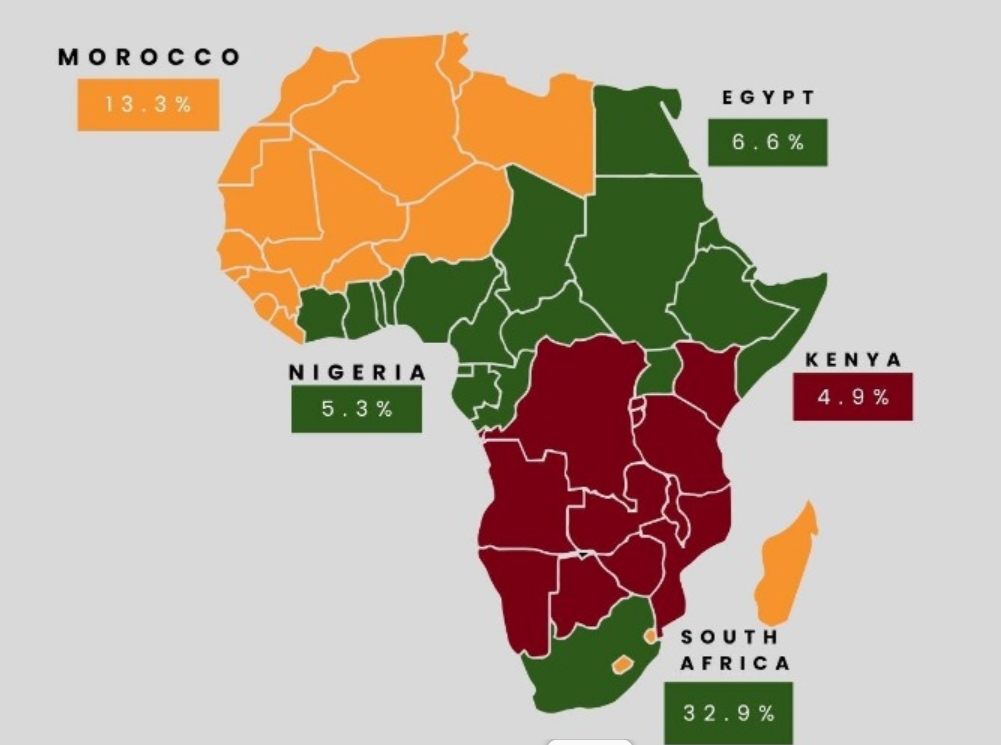
While recruitment tactics are deliberate, they succeed because of deeper vulnerabilities.
Nigeria, Africa’s most populous nation, has one of the continent’s largest youth populations. Many young people complete their education only to face unemployment, underemployment, and limited economic mobility.
When dignity and opportunity feel out of reach at home, even dangerous options begin to appear viable.
This phenomenon is not simply about individuals “choosing war”. Many were misled. Others felt they had no alternative. The crisis reflects both:
• Predatory recruitment tactics
• Structural economic pressures
As Oduala argues, it is ultimately a systems failure, not a youth failure.
The Nigerian Government’s Responsibility
The Nigerian government is confronted with critical issues regarding the monitoring of citizens traveling to high-risk areas and the flagging of suspicious recruitment activities. A recent incident involving an advertisement promoting opportunities in Russia raised concerns about trust in official channels.
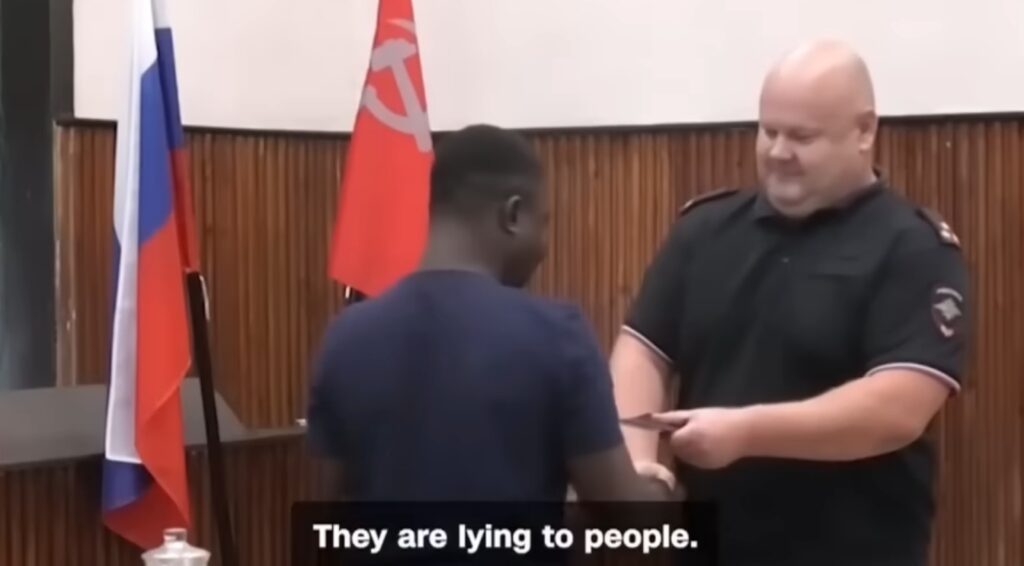
To address these challenges, the government must enhance public awareness about deceptive recruitment, strengthen digital monitoring of suspicious offers, establish consular protections for citizens abroad, and develop reintegration programs for returnees, who may suffer from both physical and psychological impacts of war, as foreign military recruitment poses significant national security risks.
A Crisis of Hope
At its core, this crisis is about broken promises.
When democratic systems fail to deliver economic opportunity and transparent governance, young citizens lose trust. That vacuum becomes fertile ground for exploitation.
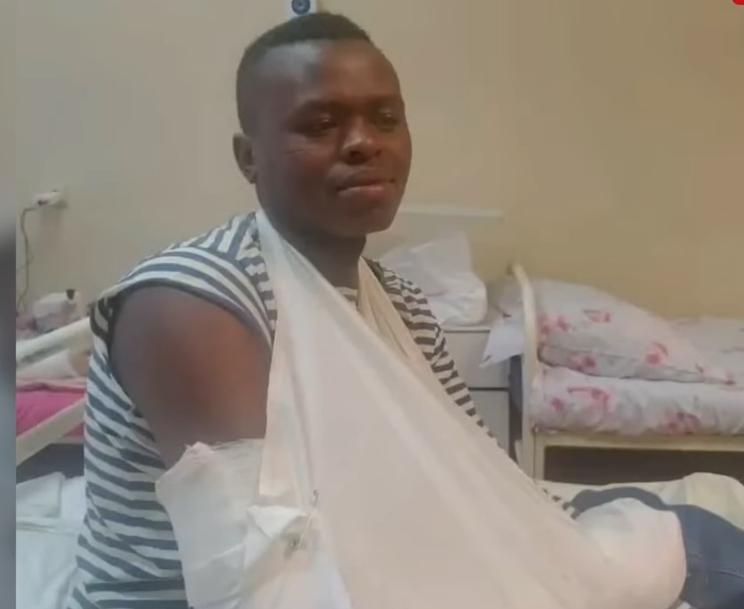
The glossy recruitment videos circulating online hide a brutal reality: drone strikes, artillery fire, abandoned bodies, and grieving families.
These parallel betrayals of democratic trust at home and human dignity abroad demand urgent action.
Strengthening institutions, creating real jobs, securing digital spaces, and protecting citizens overseas are not optional policy debates. They are matters of national security and human survival.
Africa’s youth are not expendable. And until governance closes the gap between promise and reality, others will continue to profit from it at a devastating human cost.