





Fela Kuti’s Bags Life Grammy Honor
A Historic Honor Bestowed Nearly Three Decades Late
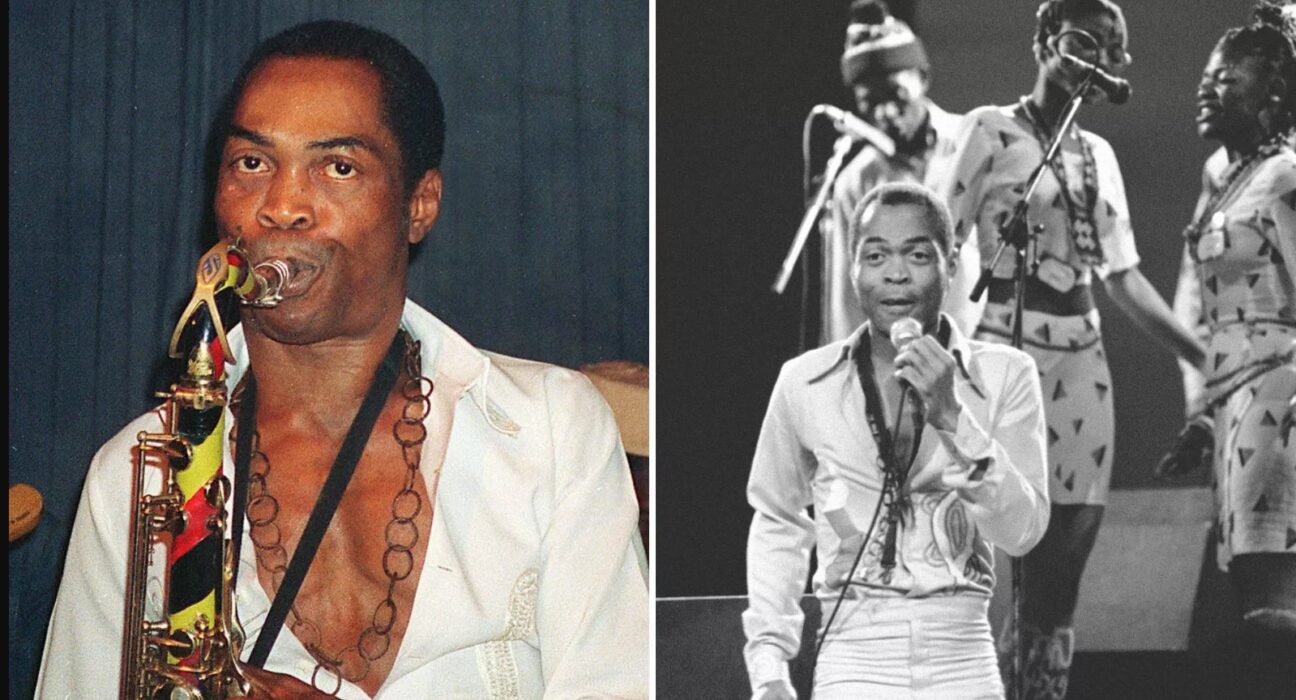
On January 31, 2026, the late pioneer Fela Anikulapo Kuti was posthumously honored with a Grammy Lifetime Achievement Award, it was a momentous occasion in African music. The award, given during a ceremony in Los Angeles, is the first time an African musician has received this distinguished award from the Recording Academy since its inception in 1963.

For his family and millions of followers, the honor is a long overdue recognition of an artist who co-joined flaming political protest with a revolutionary sound but was never nominated for a Grammy during his lifetime. The award comes as the global music business shifts its focus to Africa, after the establishment of a separate Best African Music Performance category just two years ago.
A Family’s Bittersweet Acceptance of Long-Delayed Recognition
The honor has elicited mixed feelings among those who knew Fela best. His daughter, Yeni Kuti, stated that the family is “happy” and “excited” that he is finally being recognized, but emphasized that it is “better late than never.” She emphasized the continuous struggle for appropriate acknowledgment of African artists on a global scale.
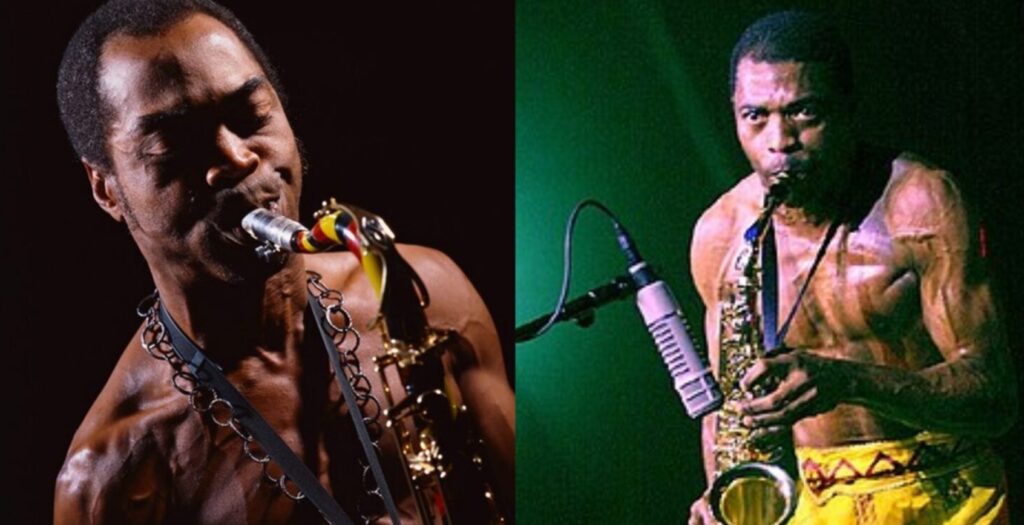
His son, Seun Kuti, described it as a “double victory” that restores “balance to a Fela story,” implying that the award supports the public’s long-held admiration for his father. Long-time friend and manager Rikki Stein arguably best nailed the contradiction, stating that Fela, a strong critic of oppressive systems, was “completely anti-establishment.” And now the establishment recognizes him.” The family feels Fela, who was motivated by human connection more than plaudits, would have remained unconcerned.
The Unforgettable Legacy of Music and Defiance
Fela’s influence remains a towering pillar of modern music and activism. In the late 1960s and 1970s, he and drummer Tony Allen created Afrobeat, a powerful synthesis of traditional Nigerian highlife and Yoruba rhythms with American jazz, funk, and soul. This music became the platform for his candid critique of military corruption and societal injustice in Nigeria.
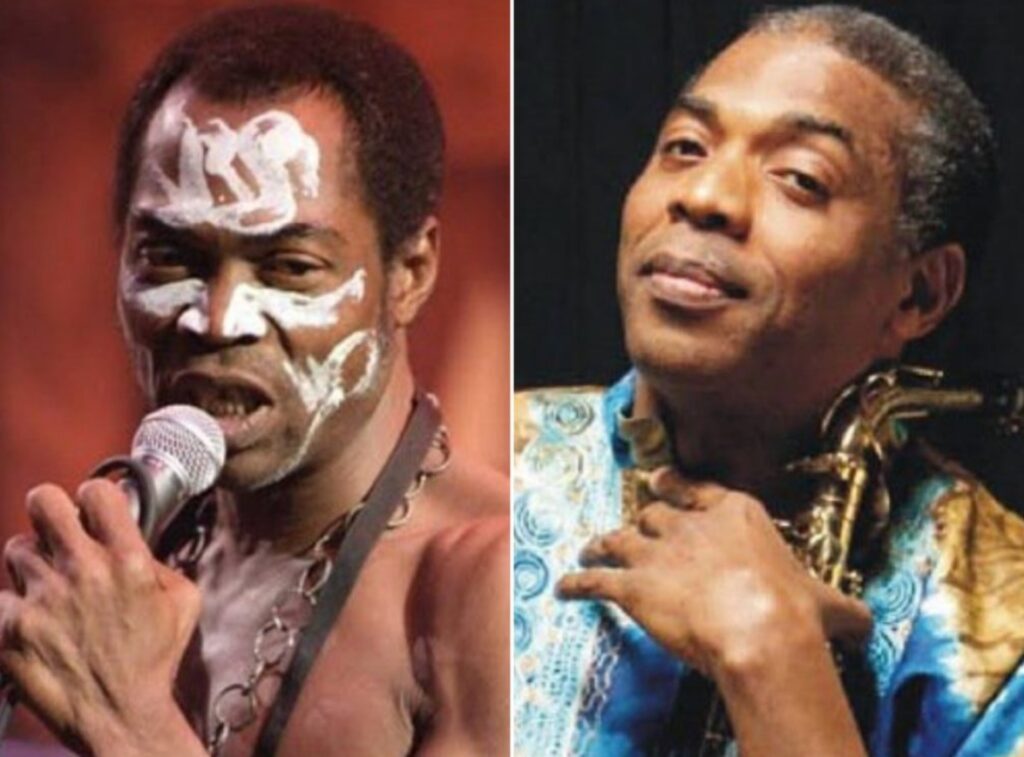
His 1977 record Zombie, which satirized the military, sparked a devastating army attack on his Lagos commune, the Kalakuta Republic, resulting in his mother’s death. Despite numerous imprisonment and official persecution, his impact spread, inspiring artists ranging from Beyoncé and Paul McCartney to modern Afro-beats performers like as Burna Boy.
A Milestone Signaling a Shift in Global Cultural Recognition
Finally, this Lifetime Achievement Award denote a shift in global cultural acknowledgment, rather than just one man’s career. Fela, according to the Recording Academy, is the “architect of Afro-beat” whose influence “spans generations”. Nigerian President Bola Tinubu welcomed the prize as recognition of Fela’s “enduring global influence and the foundational role he has played”.

For many, the honor is a watershed moment in the lengthy road to foreground African narratives in global institutions. It recognizes that the continent’s cultural innovators are more than just trends; they are fundamental voices who have created, and will continue to change, the global auditory landscape.