

A Call for Unity in Africa Trade
A Lusaka Continental Wake-Up Call
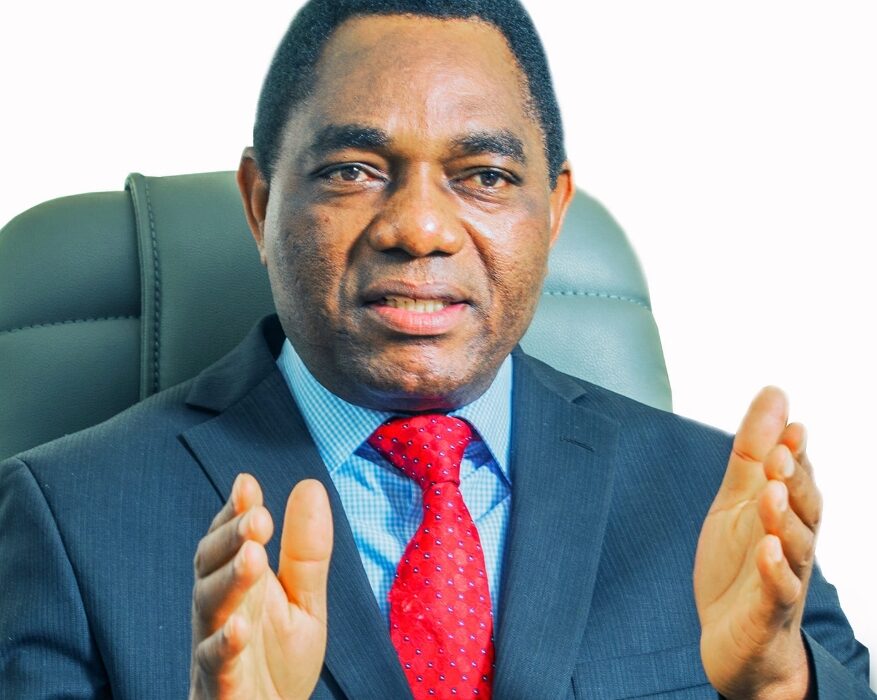
Hakainde Hichilema urges continental leaders to promote internal commerce and reform the African Union, calling self-reliance an economic and geopolitical imperative. The Zambian President gave diplomats in Lusaka a stern rebuke that resonated. Africa’s economic future was either dependency or empowerment, he said. His main point was that a region which engages in minimal trade with itself effectively marginalizes its own economic potential.
“We’re the continent that trades least with itself,” Hichilema said. “That’s a crime.” The president called for strategic organization, not isolation, noting that a more connected Africa will command fairer terms globally, especially regarding the high cost of capital that stifles enterprise. Zambia is championing regional infrastructure projects, so this speech was both a national update and a continental manifesto.
Stark Economics Behind Appeal
Hichilema’s dissatisfaction stems from economic reality. Intra-regional trade accounts for 60% of total trade in Europe and Asia, but only 14–16% in Africa. Such disparity makes continent economies vulnerable to foreign shocks and inhibits industrial development. The groundbreaking African Continental Free Trade Area (AfCFTA) that unites 1.3 billion people is the main driver of change.
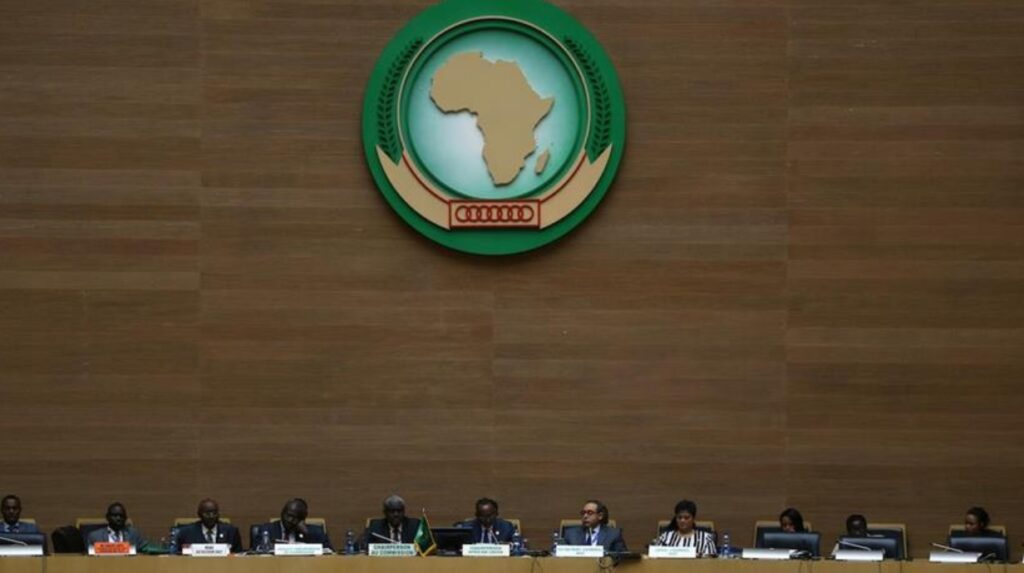
According to research, its complete implementation may improve continental income by 9% by 2035, elevate 50 million people from extreme poverty, and greatly increase intra-African exports. Hichilema stressed that Africa should engage with global partners from a position of collective strength, using its huge population and resources as leverage rather than exploitation.
The Difficult Road from Dream to Reality
Massive obstacles stand in the way of this connected future. A $130–170 billion annual investment gap is needed to overcome serious infrastructure shortages, according to the African Development Bank. Critical road links need repairs, and the continent’s freight movement relies mostly on highways rather than rail.
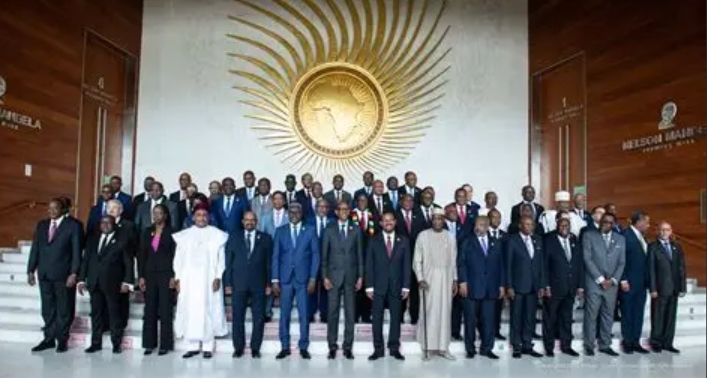
Integration entails harmonizing rules and creating political will among 54 nations beyond physical barriers. Hichilema directly addressed this, calling for serious African Union and SADC reforms to create complementarity and convergence. His call for “joint investments” between African states builds entrenched interests that support peace and prosperity.

Multi-polar World Geopolitical Strategy
Hichilema’s speech addressed geopolitics rather than economics. As fragmented, transactional competition grows, Africa must shed its passive role in global strategy, he said. He said, “Africa has to sit at the table where security issues are discussed,” emphasizing the unviability of decisions for the continent without them.
Despite its essential minerals, burgeoning markets, and demographic weight, many agree that Africa risks marginalization without a unified strategic posture. Hichilema championed genuine non-alignment, engaging all partners on African terms, as the best option. Through instruments like the AfCFTA, Africa may turn its geopolitical relevance into concrete influence and impact the developing global order.
FAQs
What is the AfCFTA, and why does it matter?
The 54 African states of the African Continental Free Trade Area (AfCFTA) share a unified market for goods and services. It eliminates tariffs and reduces barriers to enhance intra-African commerce. If completely implemented, it may boost continental income by 9% and remove 50 million people from extreme poverty by 2035.