
Revolution: Iranians Want a Reset
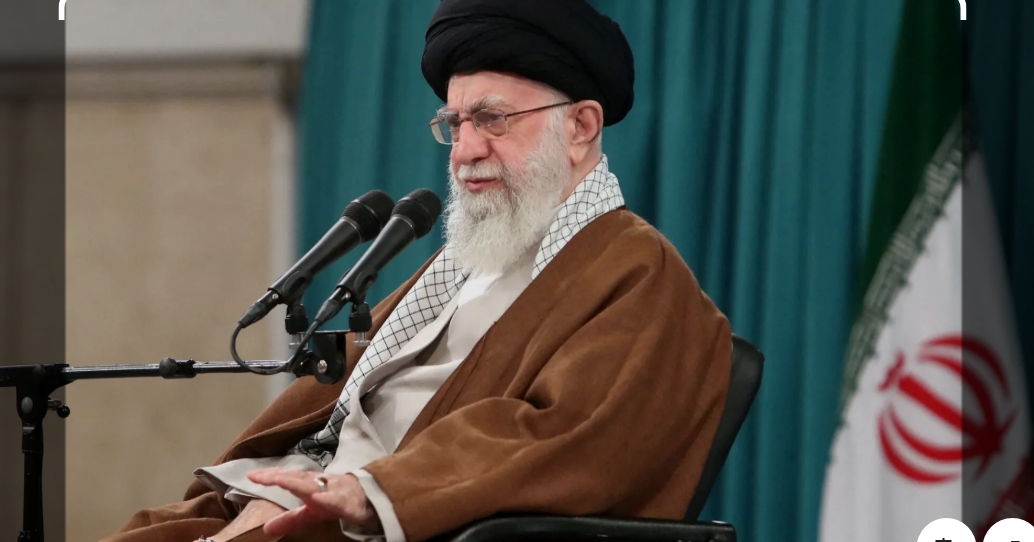
Economic Collapse Ignites Iran’s Latest Wave of Protests
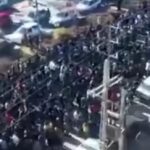
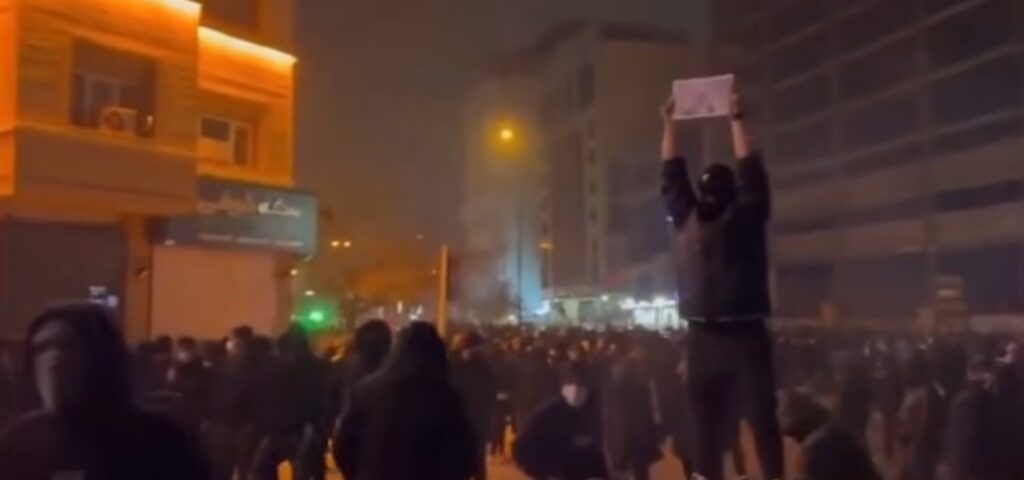
In early January 2026, Iran stands amid its most intense wave of nationwide protests in years, driven by deep economic grievances and expanding into broader political dissent. What began in late December 2025 with demonstrations over the collapse of the Iranian rial and spiralling inflation has grown into a sustained challenge to the country’s governing order, with chants of citizens calling for a change of government echoing through the streets from Tehran to provincial cities.
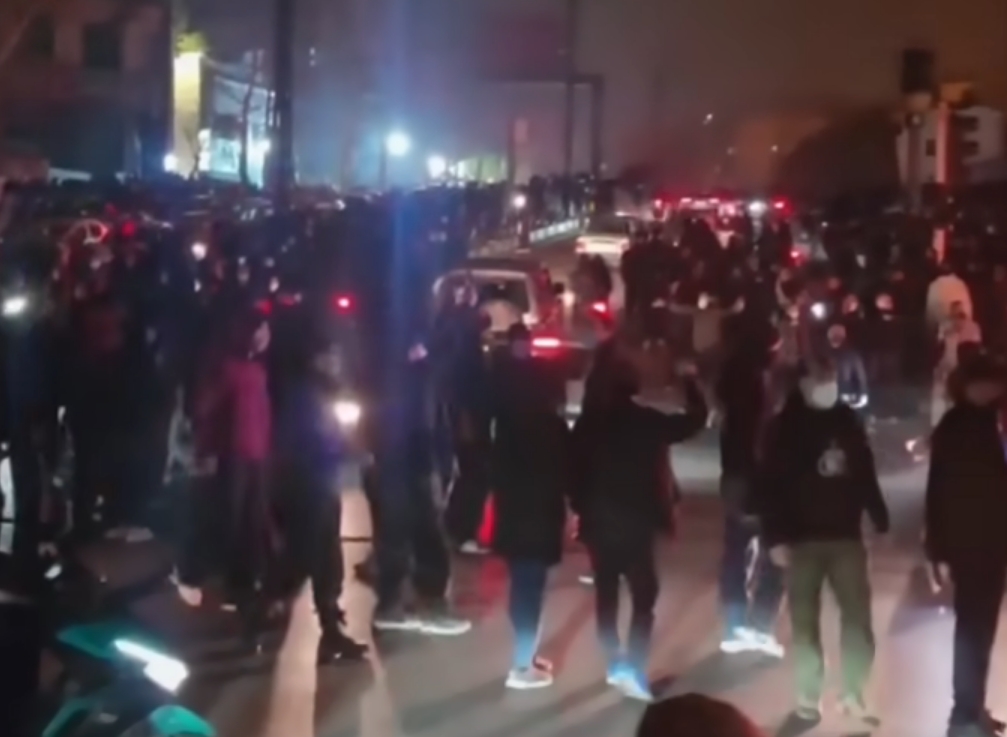
From Policy Grievances to Systemic Political Defiance
Over the past two weeks, what analysts describe as a systemic crisis rather than a sudden implosion has unfolded. Protesters, including students, workers, and ordinary citizens, have rallied under slogans like “Death to the dictator” and “We want freedom,” increasingly targeting the political structure rather than isolated policies. Iranian state media continues to portray control over the situation, but the protests’ persistence suggests deeper societal discontent.
State Crackdown Intensifies Amid Information Blackouts
The regime’s response has been both severe and calculated. Tehran has implemented near-total internet blackouts, cutting global access to Iranian networks to curb the flow of information and disrupt coordination among demonstrators. Security forces have confronted crowds with live ammunition, tear gas, and mass arrest tactics that human rights advocates say risk large-scale rights abuses.
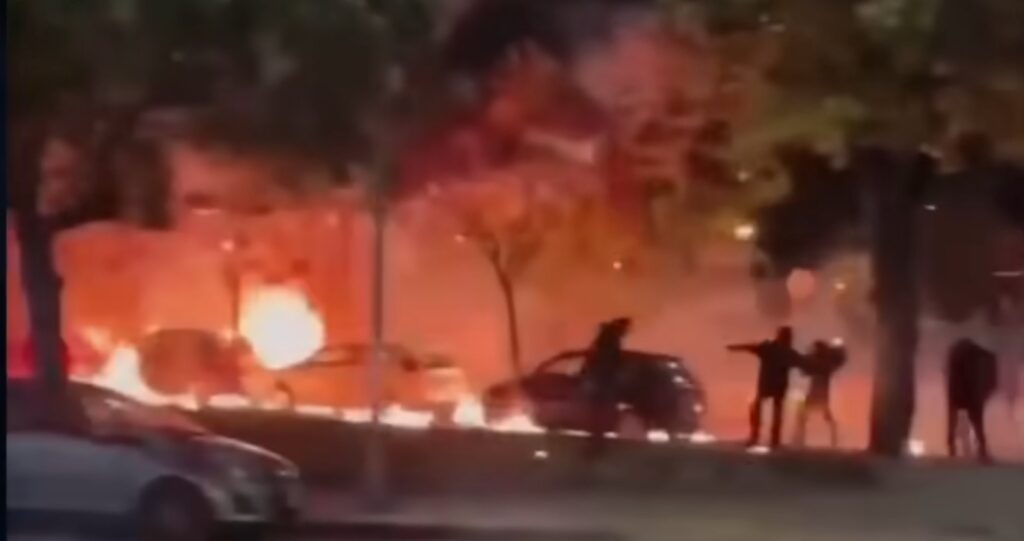
Rising Human Cost and Escalating Rights Violations
According to the Human Rights Activists News Agency, official death counts have risen into the triple digits, with over 116 reported killed and thousands detained by security forces. International human rights organisations have condemned the violence and suppression, while Iranian authorities have labelled demonstrators “terrorists” and issued threats of harsh punishment, including death penalty charges for some protest participants.
Exiled Opposition Voices Re-enter Iran’s Political Discourse
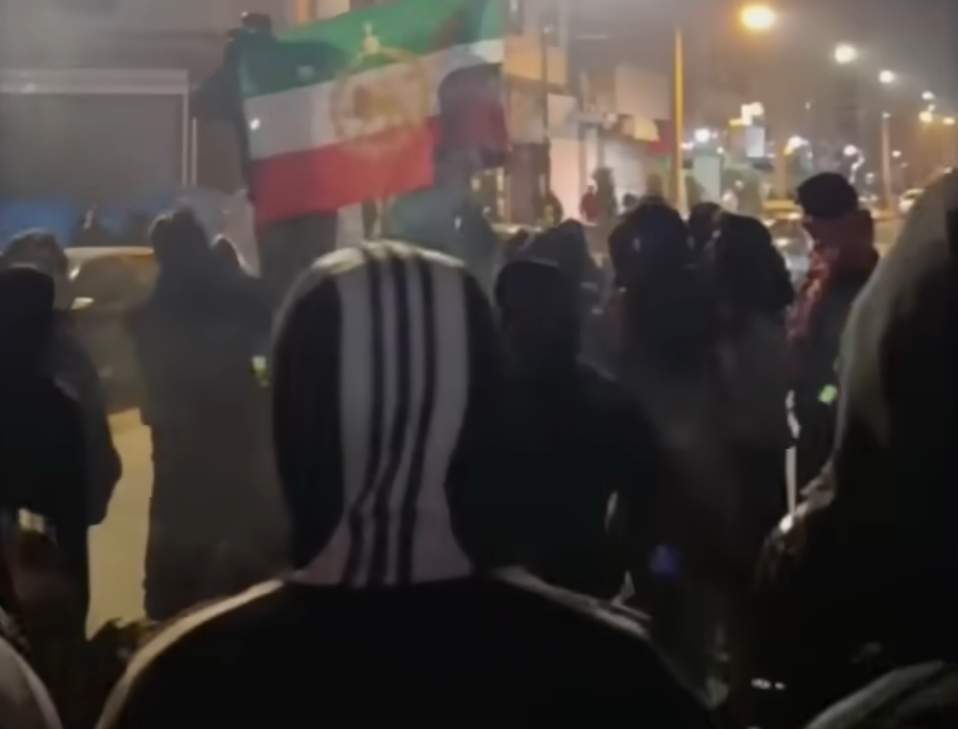
The unrest has also reinvigorated dissident voices in exile, notably former Crown Prince Reza Pahlavi, who has voiced support for protesters and called for a peaceful transition to democratic governance. Pahlavi’s supporters have echoed calls for a future Iran that departs from the existing clerical hierarchy, though there is no clear post-regime roadmap emerging on the ground.
Global Reactions and Tehran’s Foreign Interference Narrative
International reactions reflect deep concern. Western nations and leaders have condemned the Iranian government’s crackdown and expressed support for peaceful protest and respect for human rights. Meanwhile, Tehran has denounced what it perceives as foreign interference in domestic affairs, a narrative long used to frame internal dissent as externally orchestrated.
Strain Within Iran’s Security Apparatus Raises New Questions
Within Iran’s security apparatus, there are reports of strain and morale issues among personnel, partly tied to economic hardship and the challenges of suppressing widespread civil unrest. Independent analysts caution that, while isolated defections or grievances among security ranks are possible, there is no verified evidence of wholesale collapse or mass military defection.
A System Under Pressure, Not Yet at the Point of Collapse
Experts stress that the current moment signifies an exhaustion of the governing model rather than an imminent end of the state. Iran’s political order remains intact, though under unprecedented pressure, with institutional forces still capable of enforcing control and resisting dissolution. The real test will be whether this crisis stabilises, escalates, or precipitates deeper transformations in Iranian society and governance.