

Iran at a Crossroads:Political Tension Cry for new Goverment
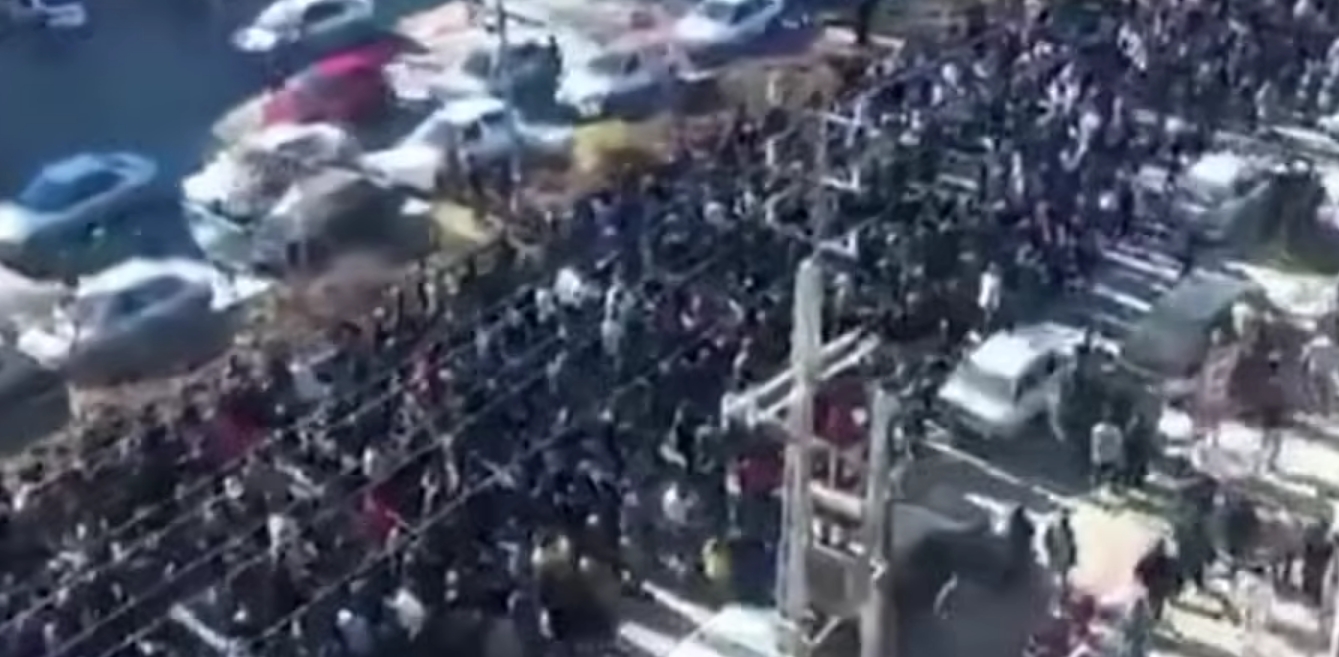
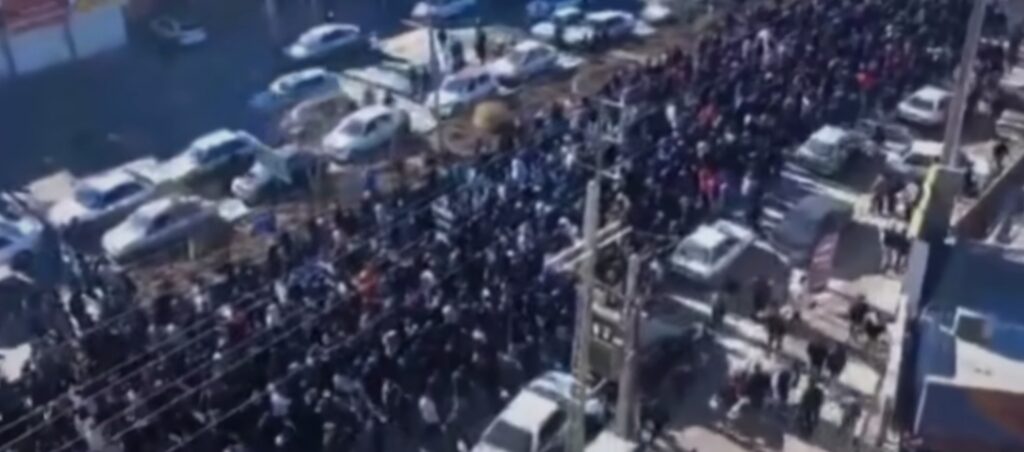
Recent online broadcasts from the Iranian diaspora channel Tousi TV have intensified global attention on Iran’s internal stability, claiming unprecedented political and security fractures within the Islamic Republic. In a program that aired in late 2025, Mr. Tousi asserted that “two cities have effectively slipped from central control,” framing the situation as a symbolic rather than formally recognised shift. Independent verification of territorial control remains unavailable, yet such claims reflect growing perceptions of fragmentation amid sustained domestic unrest.
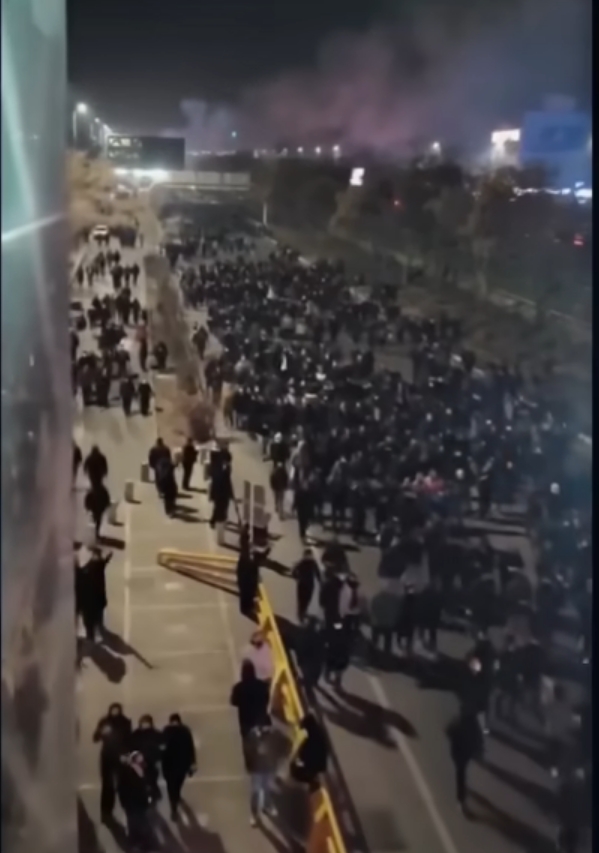
Iran has experienced repeated nationwide protests since 2017, with the most significant wave following the death of Mahsa Amini in September 2022 while in morality police custody.
According to data compiled by human rights organisations, hundreds of demonstrators were killed, and thousands were detained during that period, underscoring the depth of public anger. These documented events provide context for why unverified claims of “liberation” resonate with segments of the population and diaspora audiences.
It is reported that senior clerical figures and officials were seeking refuge abroad, particularly in Russia, a long-time strategic partner of Tehran. The program’s host stated in a Moscow-focused broadcast, “The ruling elite no longer feels secure at home,” describing the claim as information shared by unnamed sources.
While no official confirmation exists, Iran–Russia ties, strengthened after 2022 through military and economic cooperation, make such speculation geopolitically plausible even if unproven.
There is currently dissent within Iran’s own security apparatus, including elements of the Islamic Revolutionary Guard Corps (IRGC). In a video discussing internal fractures, Mr Tousi said that “guards tasked with protecting the system are now questioning it,” a statement made during a studio discussion uploaded in 2024. Despite the lack of documented mass defections, analysts observe isolated instances of disobedience during previous protest cycles.
From an analytical perspective, these narratives point less to imminent collapse and more to cumulative pressure on Iran’s governance model. Sanctions have reduced oil revenues dramatically compared with pre-2018 levels, while inflation and unemployment remain persistent structural challenges. Political scientists widely agree that state systems endure prolonged periods of contestation and adaptation, rather than collapsing overnight.
For policymakers and observers, the central lesson is the importance of recognising and amplifying the legitimate voices of the Iranian people while grounding their analysis on verifiable developments.
Reporting from outlets such as Tousi TV captures the lived frustration, resilience, and enduring hope of Iranians who seek dignity, accountability, and self-determination. Supporting Iran’s future means engaging constructively with the needs and aspirations of the people and listening closely to civil societies and understanding that people-driven change is often built through steady, cumulative progress rather than a single dramatic moment.