




Global Flight: Iran Airspace Closed
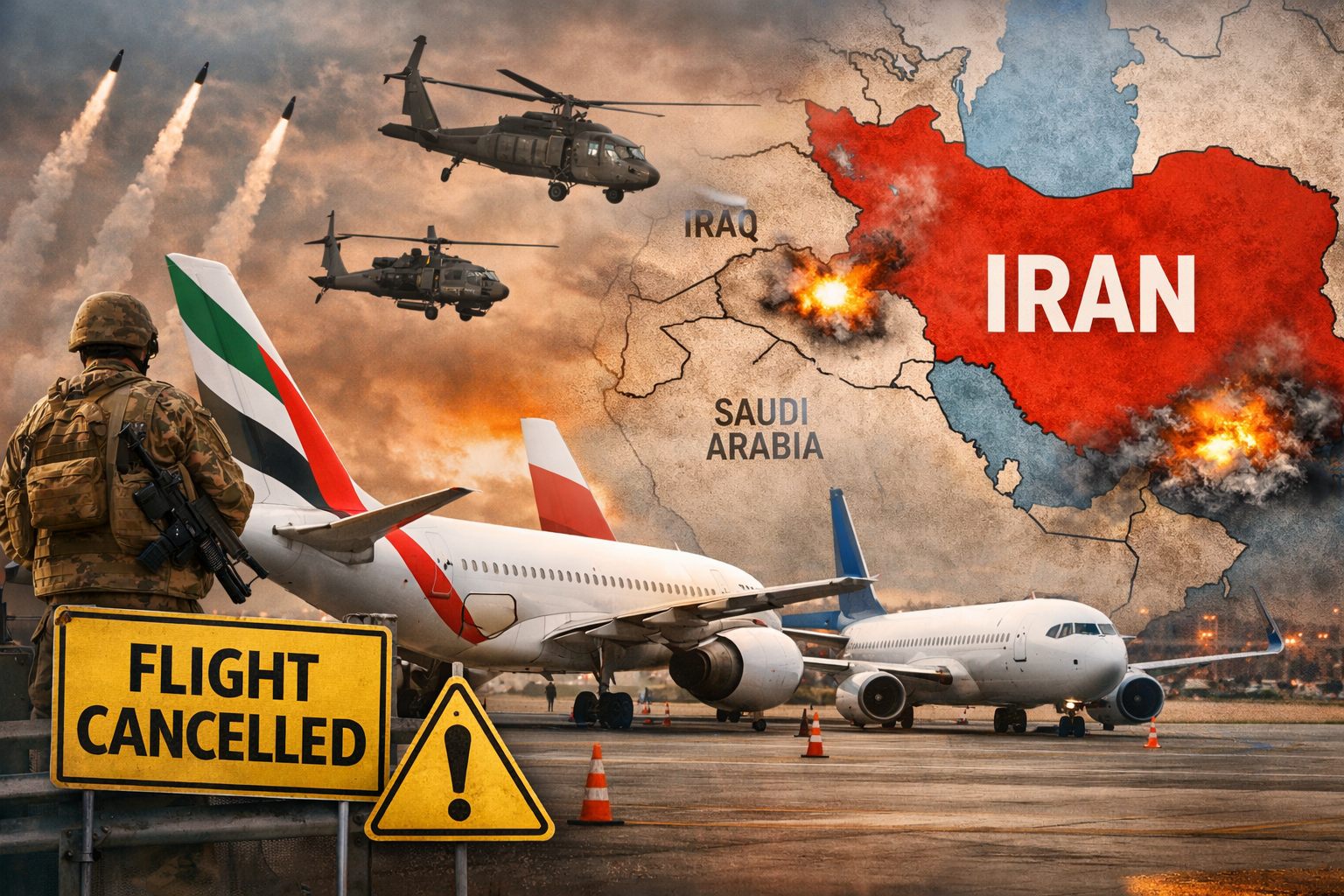
Skies on Pause: Why Airlines Are Rerouting and Canceling Iran-Linked Flights
Recently, international aviation operations have faced major disruptions linked to heightened geopolitical tensions involving Iran. Several major carriers, including Russia’s Aeroflot, Emirates, Etihad, Flydubai, and Air Arabia, announced cancellations and rerouting of flights over Iranian airspace due to safety concerns after military strikes and retaliatory actions in the Middle East, notably following Israeli and U.S. strikes on Iranian nuclear sites in mid-June 2025.
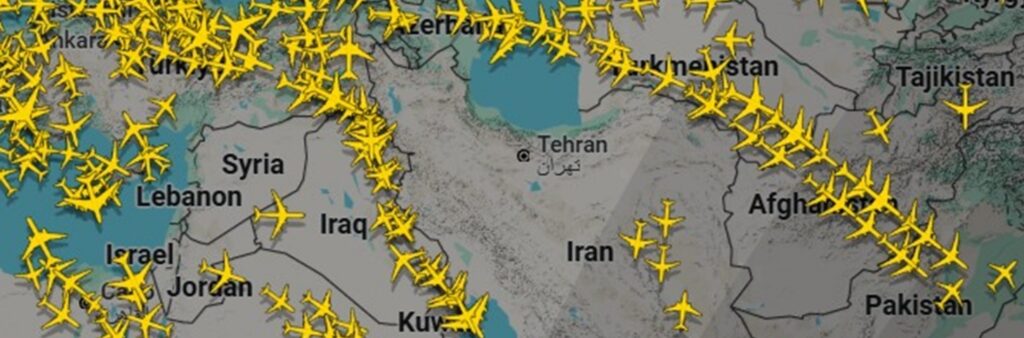
Airlines cited the closure of Iranian, Israeli, Jordanian, and Iraqi airspace and risk assessments showing active missile exchanges as primary drivers for suspensions and route changes. Aeroflot specifically confirmed the cancellation of flights between Moscow and Tehran and said several Gulf routes will be rerouted until conditions are judged safe again, reflecting broader global caution among civil aviation authorities.
Ripple Effects in the Air: Regional Tensions Are Reshaping Global Flight Paths
These aviation disruptions extend beyond bilateral routes with Iran and have a broader impact on Middle East airspace. Reuters and other flight risk monitors reported that, in the wake of airspace shutdowns and conflict escalation, airlines from Europe, Asia, and the Gulf have either grounded aircraft or diverted flight paths through more distant corridors, increasing fuel consumption and travel times.
Jordan, Iraq, and other neighboring states temporarily closed their skies around the peak escalation, with some carriers halting flights to Tel Aviv, Baghdad, and Beirut amid security concerns over missile activity. Analysts note the closure has led to a surge in regional flight costs and complexity for operators managing crews and schedules across the crisis zone.
Caution Without Panic: Governments Signal Readiness as Diplomacy Continues
Government advisories and embassy actions have compounded civilian unease. Russia’s Embassy in Tel Aviv publicly urged its citizens to depart Israel as air hostilities intensified, while various national travel advisories from Western capitals stressed caution for citizens in the broader region.
Although claims of large-scale military evacuations or imminent full-scale war should be treated with scrutiny, confirmed moves such as temporary personnel shifts and heightened readiness at U.S. and allied bases indicate strategic repositioning amid uncertainty. Despite these precautions, there is no official declaration of war between the United States and Iran, and high-level dialogues on de-escalation continue alongside warnings about the potential dangers of further American military involvement.
What It Means for Travellers: Costs, Confidence, and the Road Back to Stability
For travellers and global markets, the ongoing situation has had real-world consequences. Aviation authorities recommend passengers check flight statuses directly with airlines and consult government advisories before planning travel through the region; insurers and travel experts highlight that cancellations and reroutes may incur extra charges.
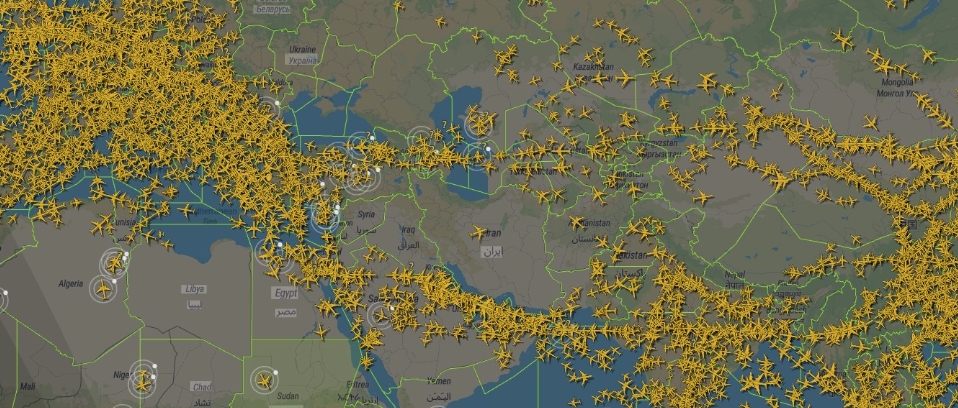
Economically, the aviation disruption feeds into broader instability in commodities and global supply chains, with longer flight paths raising operational costs. Midst this, diplomatic efforts persist to prevent a wider conflict, suggesting that while tensions remain elevated, constructive engagement and crisis diplomacy are crucial to restoring confidence for civil aviation and international stakeholders.