





Yuletide Vigilance: What the World Needs to Know About Monkeypox Spread and Prevention

As the world enters the Yuletide season, a period marked by travel, large gatherings, and close social contact, public health experts are urging vigilance against monkeypox, a viral disease that continues to circulate globally. According to the U.S. Centres for Disease Control and Prevention (CDC), there are two known variants of the virus, clade I and clade II, both of which spread in similar ways and can be prevented using the same public health measures.
The warning is particularly relevant during festive travel, when increased mobility raises the risk of cross-border transmission. Health authorities emphasize that personal awareness, hygiene, and early medical attention remain critical to protecting families and communities during the holidays.
Current data from the CDC and the World Health Organization (WHO) show that clade I monkeypox has recorded more than 46,000 confirmed cases across several countries in Central and Eastern Africa. These regions remain the epicentre of ongoing outbreaks, driven by limited healthcare access and delayed detection.
Reuters has reported that international health agencies are increasingly concerned about underreporting in affected areas, which may mask the true scale of infections. Many of these cases are among men who have sex with men (MSM), a network previously associated with the separate clade IIb global outbreak. As global travel resumes at full scale, health officials stress that outbreaks in one region can no longer be viewed as isolated, but as part of an interconnected global health challenge.
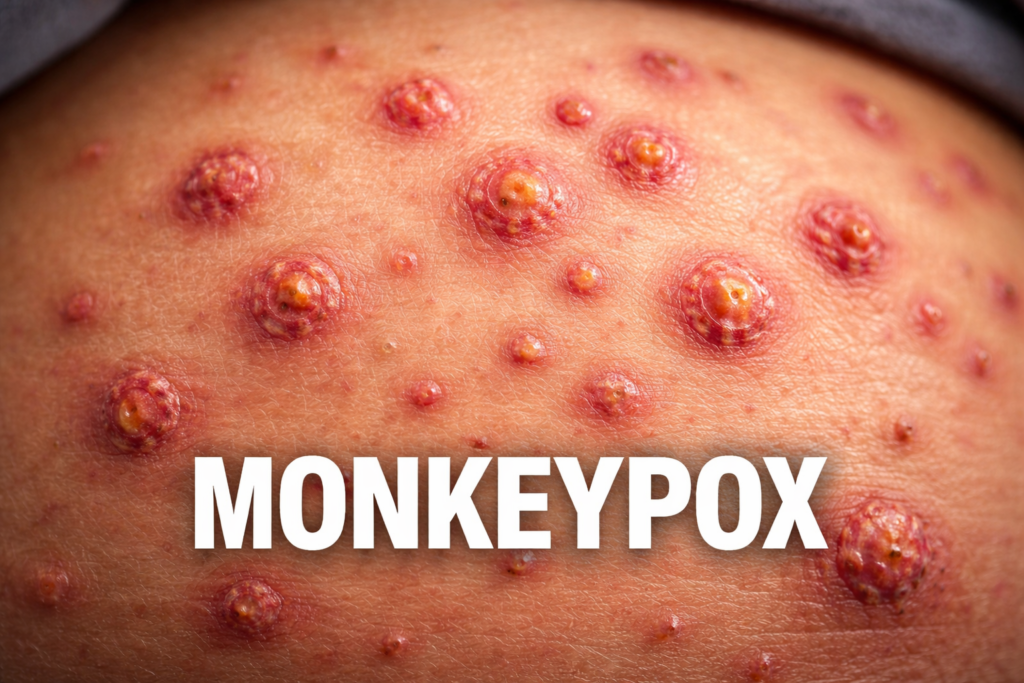
Beyond Africa, travel-associated cases of clade I monkeypox have been detected in multiple countries worldwide, underscoring how quickly the virus can cross borders. Meanwhile, clade II monkeypox continues to spread at low but persistent levels across several regions, including Europe, Asia, and the Americas.
In the United States, the CDC confirmed that several recent clade II infections were linked to travellers returning from West African countries that had reported active outbreaks. Speaking in Atlanta in a recent briefing, CDC officials noted that international travel remains a key risk factor, particularly when symptoms are mild or initially overlooked.
To address these risks, the CDC says it is working closely with public health partners worldwide to strengthen surveillance, improve laboratory capacity, and share real-time data on monkeypox transmission.
WHO Director-General Dr. Tedros Adhanom Ghebreyesus has repeatedly emphasized that early detection and transparent reporting are essential to preventing wider spread, especially during high-mobility seasons like Christmas and New Year. As families gather to celebrate, experts advise staying informed through credible sources, seeking medical advice when symptoms appear, and recognizing that public health vigilance is a shared responsibility.