




Tragic Hong Kong Tower Blaze Kills 146, Sparks Urgent Safety Reviews
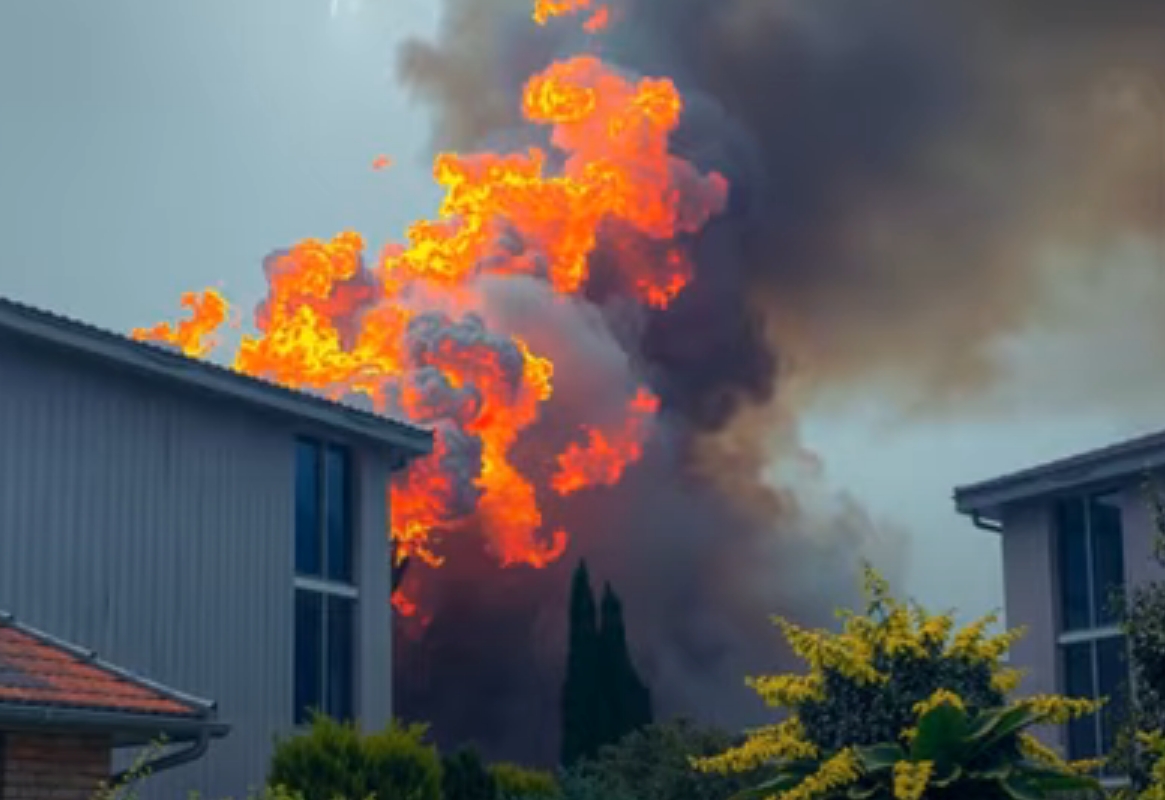
A catastrophic fire at Hong Kong’s Wang Fuk Court residential complex has resulted in profound loss, with at least 146 fatalities confirmed and dozens more individuals still unaccounted for. The rapidly spreading inferno engulfed multiple towers, forcing desperate evacuations and overwhelming emergency services. In the immediate aftermath, hundreds of residents have been displaced, facing a sudden and traumatic upheaval from their homes. This incident now stands as one of Hong Kong’s deadliest structural fires in recent decades, plunging the community into mourning and raising urgent questions about urban safety.
Initial investigations are focusing on the fire’s alarming speed and intensity, which hindered escape and rescue efforts. Key areas of scrutiny include the building’s structural materials, the functionality of fire safety systems such as alarms and sprinklers, and potential obstructions in evacuation routes. The dense, vertical nature of such residential towers presents unique challenges for firefighting, complicating access and evacuation. Understanding these specific failure points is critical, not only for this investigation but for informing future building codes and safety protocols across similar high-density urban environments.
Beyond the physical causes, the human impact of this disaster is immense and multifaceted. The tragedy has left hundreds of survivors grappling with the loss of family, neighbours, and all their possessions, requiring substantial long-term psychosocial support. Community organizations and government agencies are now coordinating to provide temporary housing, essential supplies, and counselling services. This comprehensive humanitarian response highlights the need for robust disaster victim support frameworks that can be rapidly deployed in a densely populated city like Hong Kong.
In the wake of such a loss, the path forward must involve turning analysis into actionable change. This necessitates a transparent official inquiry whose findings lead to tangible updates to fire safety regulations, rigorous enforcement of building maintenance standards, and enhanced public education on evacuation procedures. For urban centers globally, the Wang Fuk Court fire serves as a stark reminder of the perpetual need to assess and modernize safety infrastructures in aging residential blocks. Ultimately, honouring the victims requires a steadfast commitment to ensuring such a preventable tragedy is never repeated.