

From Support to Justice: Europe Launches Ukraine Damage Framework

The Hague Becomes a Stage for Justice
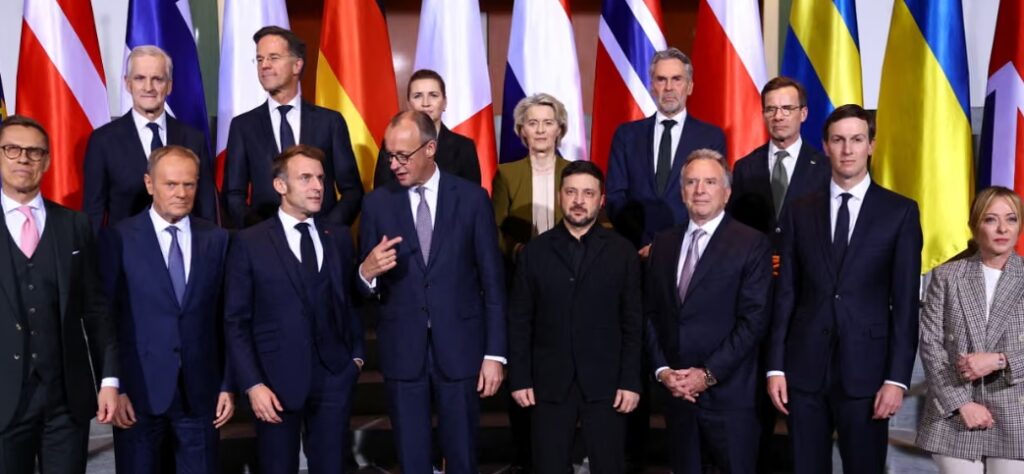
In a powerful act of solidarity, leaders from across Europe gathered in The Hague on December 16, 2025, to sign a landmark treaty establishing the International Claims Commission for Ukraine. The ceremony, attended by Ukrainian President Volodymyr Zelenskyy and 34 other heads of state and government, marks the creation of the first official international body dedicated to adjudicating reparations claims against Russia for its war of aggression.
“We are sending a very clear message from here in The Hague. That after peace is achieved, justice must be allowed to take its course,” stated Dutch caretaker Prime Minister Dick Schoof. The commission will build upon the existing Register of Damage for Ukraine, which has already recorded over 80,000 claims from individuals and entities for losses suffered since February 2022.
A Financial Fortress: The €90 Billion Pledge for Survival
Parallel to creating a path for future reparations, European leaders took immediate action to secure Ukraine’s present and near-term future. At a summit in Brussels on December 18, the European Council agreed to provide a massive €90 billion loan to Ukraine for the years 2026-2027. This extraordinary financial package, backed by EU borrowing on capital markets, is designed to ensure Ukraine has the budgetary and military means to continue its self-defence and maintain essential state functions.
Crucially, the loan is structured so that Ukraine would only begin repayment once it receives war reparations from Russia, explicitly linking the financial support to the aggressor’s ultimate accountability. The move underscores the EU’s “continued and unwavering support for Ukraine’s independence, sovereignty and territorial integrity,” as the Council formally reaffirmed.
A Political Front Solidifies Amid Ongoing War
The establishment of the claims body and the colossal loan signal a hardening European resolve to counter Russian aggression on all fronts, even as fierce fighting continues. While the reparations mechanism faces the unresolved challenge of compelling a recalcitrant Russia to pay, its creation is a strategic move to cement a legal and moral framework for post-war justice. This diplomatic push was matched by a firm stance on security.
Leaders of the eight EU nations on the alliance’s “eastern flank” concurrently met in Helsinki, warning that Russia “remains a threat today, tomorrow, and for the foreseeable future,” and committing billions to bolster border defences and a European drone shield. Despite Russia’s dismissal of calls for a Christmas ceasefire, stating it wants “peace, not a ceasefire,” the unified European actions demonstrate a long-term commitment to a Ukrainian victory defined by both security and restorative justice.