
Guinea-Bissau’s Democratic Breakdown: Who Benefited From the “Coup”?
The Observer’s Perspective: A “Ceremonial Coup” in Guinea-Bissau
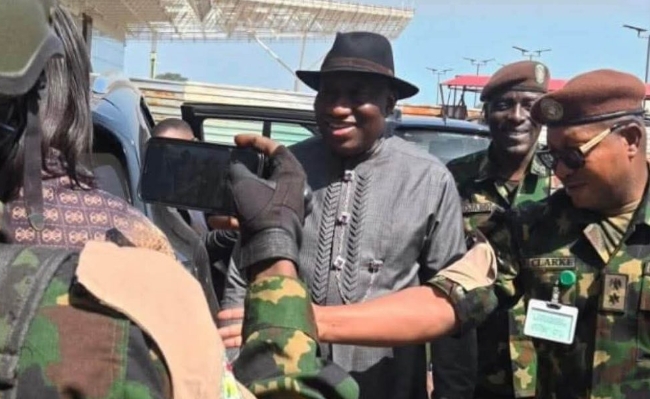
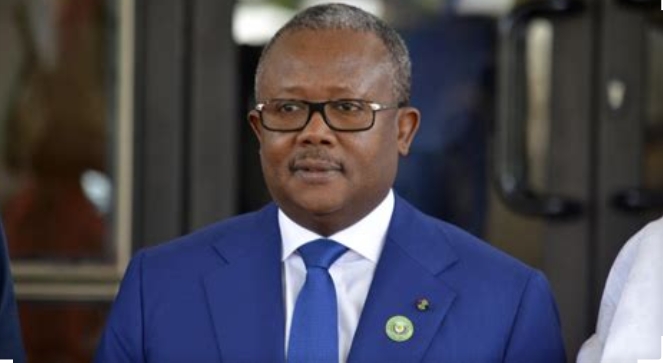
The recent political crisis in Guinea-Bissau represents either a brazen military takeover or an elaborate political deception designed to subvert democracy depending on which narrative you believe. According to a senior African Union election observer formal President of Nigeria Dr. Goodluck Ebele Jonathan who recently returned from the country, the events of November 26th, 2025, constitute what he termed a “ceremonial coup” rather than a genuine military seizure of power. The anomaly that fuels this interpretation? President Umaro Sissoco Embaló himself announced his own overthrow to international media before any military declaration surfaced. This unprecedented sequence of events has raised serious questions among regional observers about whether the president, realizing he had lost the election, orchestrated a crisis to prevent the announcement of unfavourable results.
The Election Preceding the Crisis: Remarkably Peaceful Despite Tensions
The AU election observation mission had documented a largely peaceful electoral process before the sudden interruption. The November 23rd presidential and legislative elections proceeded smoothly according to reports from observers across the country. The mission, led by former Mozambican President Filipe Jacinto Nyusi, noted that voting procedures were properly followed, with materials delivered on time and security personnel acting professionally at polling stations. Despite the tense political context, including the dissolution of parliament in 2023 and the exclusion of the historically dominant PAIGC party from the ballot, election day itself was notably calm. This peaceful conduct makes the subsequent military intervention, just as the National Electoral Commission was preparing to announce results, particularly suspicious to regional observers.
Suspicious Chronology: An Unprecedented Sequence of Events
The precise timeline of events reveals why many observers question the coup’s authenticity. Heavy gunfire erupted near government buildings on November 26th, but according to the AU observer, “nobody gave something different, the elections were peaceful, counting of results at the polling units peacefully done “. President Embaló then contacted French media outlet France 24 to announce his own detention before any military figures had appeared on television. This sequence contradicts typical coup patterns where military leaders first declare control and isolate sitting presidents. As the observer noted, “I’m a Nigerian close to 70 and I know how they keep heads of state when a coup takes place… Military don’t take over government and the sitting president that they overthrew would be allowed to be addressing press conferences “.
Regional Response: Institutional Condemnation and Suspension
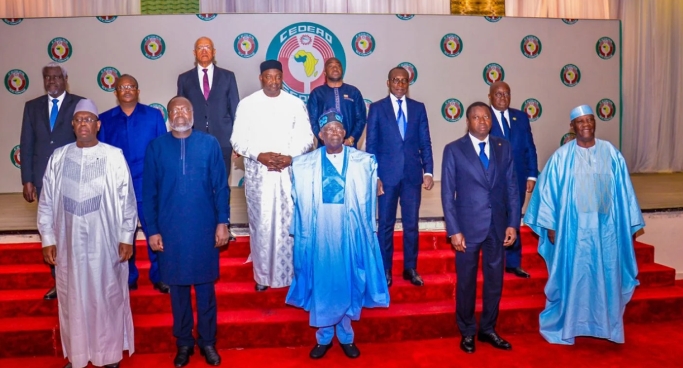
The international institutional response has been swift but arguably insufficient to address the underlying deception. Both the African Union and ECOWAS suspended Guinea-Bissau from their decision-making bodies, citing their “zero tolerance” policies for unconstitutional changes of government. The AU Peace and Security Council demanded “the immediate and unconditional release of all detained electoral officials and all other political figures” and called for the military to allow the electoral commission to proclaim the official results. However, these measures follow a familiar pattern that some analysts criticize as treating symptoms rather than causes. As one analysis noted, the response is “emblematic of the deeply flawed policy approach that has become characteristic of both the AU and regional bodies like ECOWAS: react to the symptom (coup) while remaining silent to the governance crisis underlying the symptom “.
Historical Context: Guinea-Bissau’s Troubled Political Landscape
Understanding this crisis requires examining Guinea-Bissau’s complex political history. Since independence from Portugal in 1974, the country has experienced at least nine coup attempts, with successful overthrows in 1980, 1999, 2003, and 2012. The nation has also gained notoriety as a drug trafficking hub between Latin America and Europe, with the UN warning as early as 2008 that it risked becoming a “narco-state”. President Embaló had previously claimed to survive three coup attempts during his first term, though critics accused him of fabricating these crises to justify cracking down on dissent. This context of instability and the infiltration of drug interests into politics creates an environment where political manipulation becomes increasingly feasible.
Conclusion: The Path Forward for Guinea-Bissau and Regional Democracy
The broader implications of this crisis extend beyond Guinea-Bissau’s borders, testing regional governance frameworks. The AU observer insists that regional bodies must “announce that result… They have the results because AU and ECOWAS officials were in all the regions when the results were collected”. This positions the crisis as a critical test for African regional organizations, whether they can transition from merely condemning coups to actively protecting electoral verdicts. If this was indeed a “self-coup” orchestrated by a losing candidate, it represents a sophisticated new threat to democracy in the region. The observer’s painful conclusion resonates deeply: “It is painful for him to be the president of Guinea-Bissau and say military people are taking over government” when all evidence suggests complicity rather than victimhood.